



What's Happening?
Luxury automakers are increasingly offering extensive bespoke customization options for vehicles, allowing clients to personalize nearly every detail to reflect their individual tastes. This trend moves beyond standard showroom options, with buyers seeking
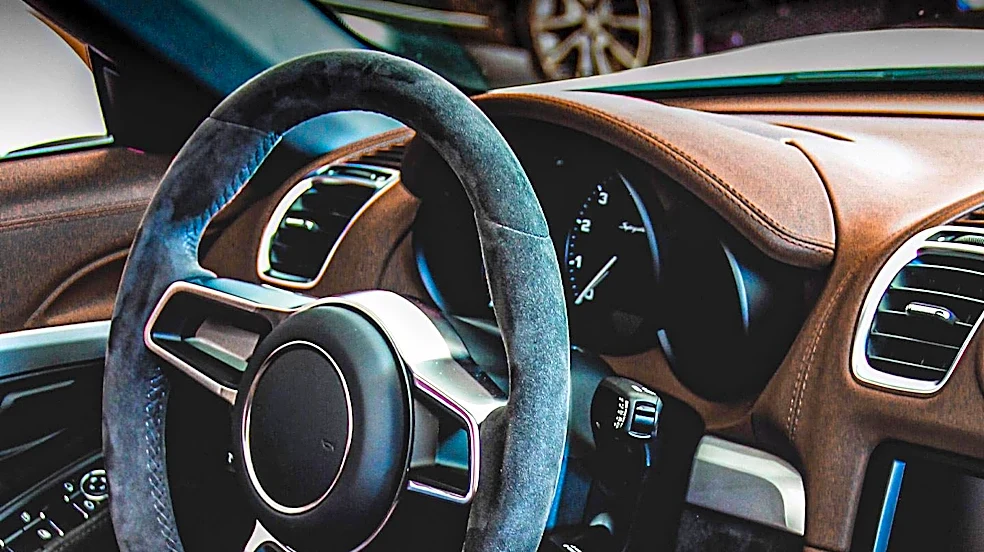
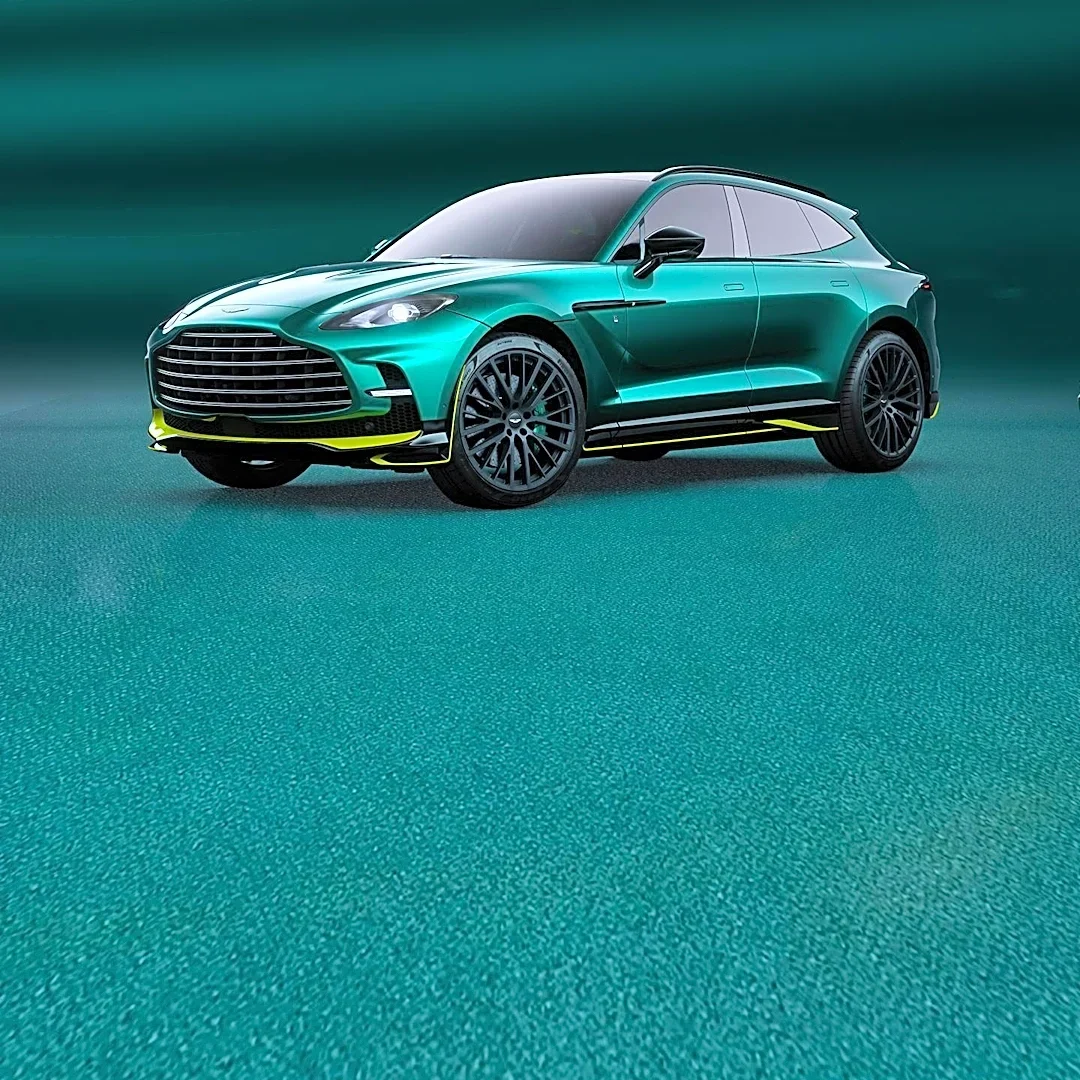
one-of-a-kind colors, unique materials, and personalized details. Companies like Mercedes-Benz, Bentley, McLaren, Maserati, and Cadillac are establishing dedicated spaces and programs, such as Mercedes-Benz’s Manufaktur facilities and Studio Los Angeles, Lamborghini Lounge, and Rolls-Royce Private Office, where clients can collaborate with designers and specialists. The customization process can involve selecting from an expansive array of colors, leathers, stitching, and finishes, with some brands offering over a billion possible configurations. For instance, Bentley's Mulliner customization is chosen by over 70% of buyers, and Mercedes-Benz's Manufaktur program saw nearly half of all S-Class vehicles in 2025 featuring at least one custom option.
Why It's Important?
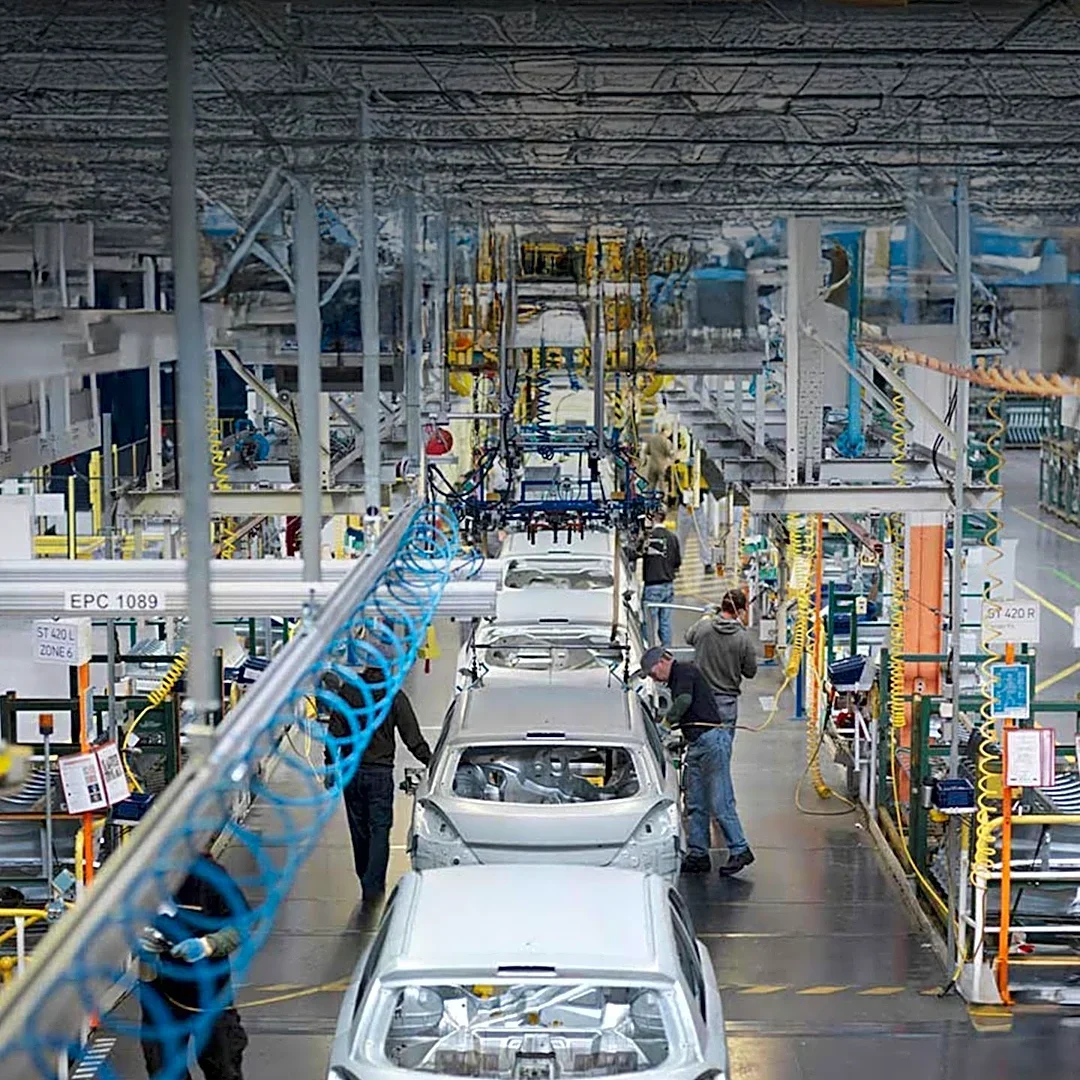
This shift in the luxury automotive market signifies a deeper engagement between consumers and brands, moving beyond transactional purchases to a highly personalized experience. It reflects a growing demand among affluent buyers for products that are extensions of their personal style and identity, rather than mass-produced items. This trend impacts manufacturing processes, requiring greater flexibility and artisanal craftsmanship, as seen in Mercedes-Benz where each steering wheel is handcrafted by a single artisan. For the automotive industry, it opens new revenue streams through high-margin customization services and strengthens brand loyalty by offering unparalleled exclusivity. It also influences design and material innovation, as automakers strive to meet diverse and evolving client preferences, pushing the boundaries of what is possible in vehicle aesthetics and functionality.
What's Next?
The trend of bespoke luxury car customization is expected to continue expanding, with automakers likely to invest further in dedicated personalization studios and advanced digital configurators. The focus will remain on enhancing the client experience, making the commissioning process feel more like creating a piece of art. We may see more collaborations between luxury car brands and other high-end industries, such as fashion or art, to offer even more unique and exclusive material options and design inspirations. As technology advances, immersive digital visualizations and virtual reality tools could become more sophisticated, allowing clients to experience their custom designs before production. The demand for unique and personalized vehicles will likely drive further innovation in sustainable and exotic materials, as well as advanced manufacturing techniques to accommodate increasingly intricate and individual requests.
Beyond the Headlines
The rise of bespoke luxury cars reflects broader societal trends towards hyper-personalization and the commodification of identity. In an era where mass production is common, owning something truly unique becomes a significant status symbol, signaling not just wealth but also discerning taste and individuality. This trend also raises questions about the environmental impact of highly customized production, as unique materials and processes might have different sustainability profiles compared to standardized manufacturing. Furthermore, the emphasis on craftsmanship and artisanal work within these programs could help preserve traditional skills and create specialized job opportunities. The 'experience' of commissioning a bespoke vehicle, often involving direct interaction with designers and engineers, transforms the act of buying a car into a journey of co-creation, blurring the lines between consumer and creator in the luxury market.