










What's Happening?
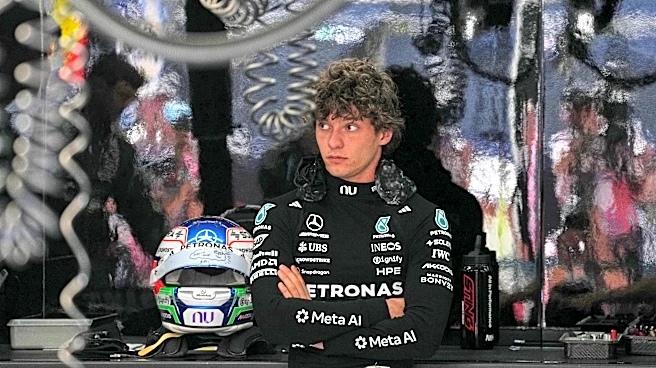
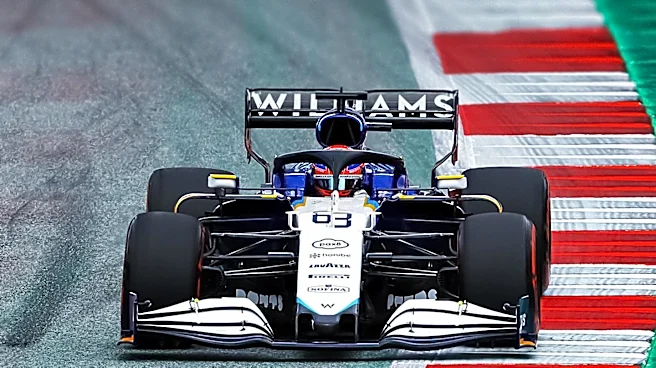
George Russell, a Formula 1 driver, has suggested that F1 tracks should be repaved every few years to maintain consistency and prevent issues caused by bumpy surfaces. This proposal comes after recurring concerns about the tarmac quality, particularly
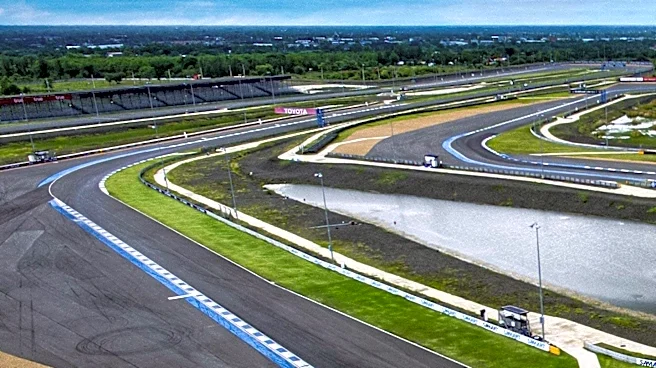
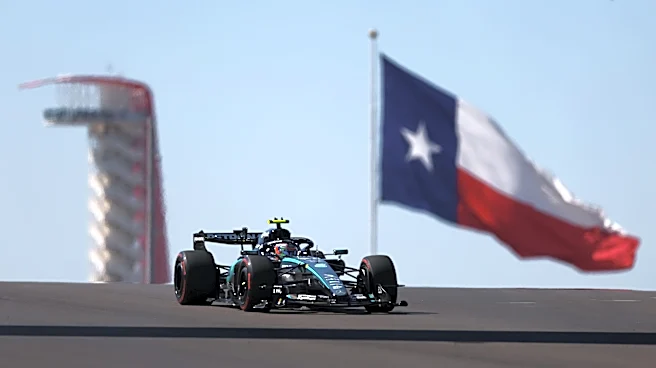
at the Circuit of the Americas, which hosts the United States Grand Prix. The Austin track is known for its bumps, a problem exacerbated by its construction on marshland. Four-time F1 drivers' champion Max Verstappen has openly criticized the conditions, claiming they caused damage to his spine, leading to a public exchange with COTA chairman Bobby Epstein. While some drivers, like Lewis Hamilton, have downplayed the severity of the bumps, Russell believes that proactive maintenance through regular repaving would eliminate these issues, which he notes are causing the tarmac to come up and fall apart at various tracks.
Why It's Important?
The condition of Formula 1 tracks directly impacts driver safety, car performance, and the overall quality of racing. Bumpy surfaces can lead to significant wear and tear on sophisticated F1 cars, potentially causing mechanical failures or compromising aerodynamic efficiency. For drivers, persistent bumps can result in physical discomfort and even injuries, as highlighted by Max Verstappen's comments regarding spinal damage. Implementing Russell's suggestion of regular repaving would require substantial investment from track owners and organizers, potentially increasing operational costs for Grand Prix venues, including those in the United States. However, it could also enhance the racing spectacle by providing a more consistent and predictable surface, allowing drivers to push their cars to the limit without undue concern for track integrity, thereby benefiting both competitors and fans.
What's Next?
Russell's suggestion could prompt discussions among Formula 1 management, the Fédération Internationale de l'Automobile (FIA), and track owners regarding future maintenance protocols for Grand Prix circuits. While there is no immediate indication of policy changes, the concerns raised by prominent drivers like Russell and Verstappen may pressure organizers to re-evaluate current track upkeep standards. The Circuit of the Americas, as a specific example, might face increased scrutiny to address its known issues. Any potential changes would likely involve a collaborative effort to establish new guidelines for track resurfacing frequency and quality control, aiming to ensure safer and more consistent racing conditions across the F1 calendar, including for future United States Grand Prix events.
Beyond the Headlines
The debate over track conditions extends beyond immediate safety and performance, touching upon the long-term sustainability and appeal of Formula 1. As the sport continues to expand its global footprint, particularly in markets like the United States, maintaining high-quality infrastructure becomes crucial for its image and growth. The issue also highlights the delicate balance between preserving the unique characteristics of historic tracks and modernizing facilities to meet contemporary safety and performance demands. A proactive approach to track maintenance, as advocated by Russell, could set a new standard for F1 venues worldwide, ensuring that the sport remains at the pinnacle of motorsport technology and driver skill, while also safeguarding the well-being of its athletes.