


What's Happening?
Paris Fashion Week Spring 2027, which ran from September 28 to October 6, 2026, witnessed a notable shift in attention from established luxury houses to emerging 'outsider' brands. While major conglomerates like Kering and LVMH reported flat sales and faced
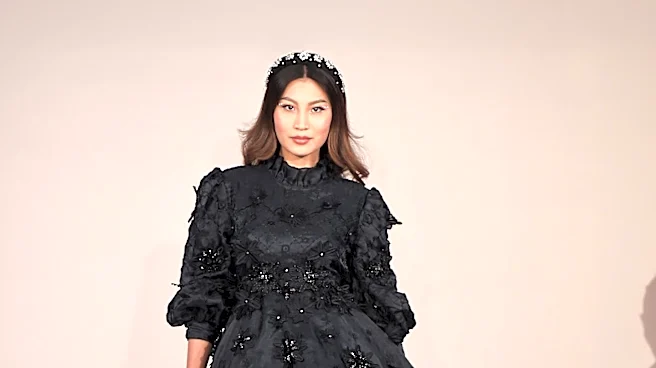
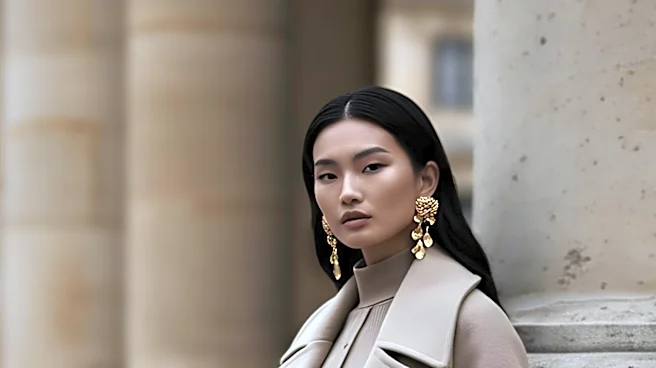
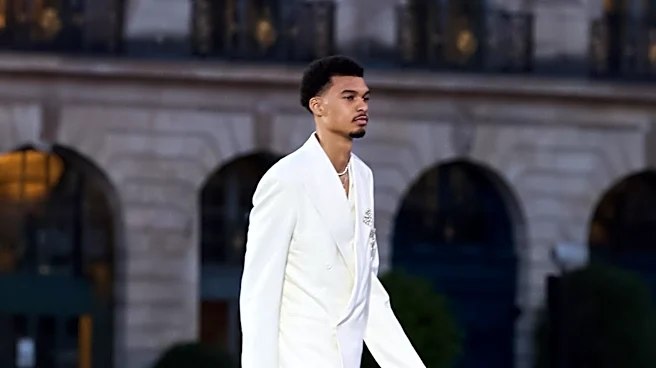
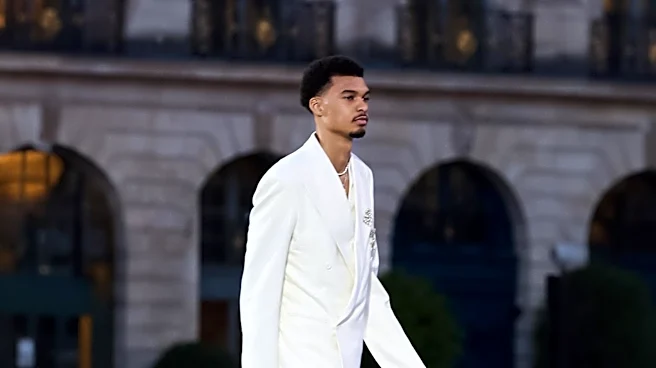
challenges, independent labels such as Matières Fécales, MaXhosa Africa, and LVMH Prize winner Julie Kegels garnered significant buzz. Matières Fécales staged a public show with 99 models of color at the Place de la République, addressing themes of social housing and the 'Ninety-Nine Percent.' MaXhosa Africa made history as the first South African brand to hold a full runway show on Paris's official calendar, showcasing knitwear inspired by Xhosa beadwork. Julie Kegels, a young Belgian designer, opened the week with a collection exploring gravity-defying silhouettes. This contrasted with the more subdued performance of luxury giants, some of whom saw creative director changes amidst financial pressures.
Why It's Important?
This shift at Paris Fashion Week holds significant implications for the U.S. fashion market and industry. The rise of 'outsider' brands signals a growing consumer demand for authenticity, unique perspectives, and designs that challenge the status quo, moving away from 'sameness fatigue' associated with established luxury. For U.S. retailers and buyers, this means a need to diversify their offerings and look beyond traditional luxury labels to capture evolving consumer preferences. The success of brands like MaXhosa Africa also highlights the increasing global influence of diverse cultural aesthetics, which can inspire U.S. designers and open new markets for culturally rich products. This trend could encourage U.S. fashion education to foster more independent and innovative design talent, potentially leading to a more dynamic and inclusive American fashion landscape.
What's Next?
The prominence of 'outsider' brands at Paris Fashion Week Spring 2027 suggests a continued re-evaluation of the traditional luxury model. Moving forward, U.S. fashion stakeholders will likely observe how these emerging brands navigate the challenges of scaling production and maintaining their unique identities while potentially integrating into the broader industry. The industry will also be watching to see if the established luxury houses respond to this trend by fostering more innovation and embracing diverse voices. For consumers, this could mean a wider array of fashion choices that are more reflective of global cultures and individual expression. The conversation around sustainability, ethical production, and cultural representation in fashion is also expected to intensify, driven by the narratives presented by these 'outsider' brands.
Beyond the Headlines
The narrative of 'outsiders' challenging 'giants' at Paris Fashion Week extends beyond mere fashion trends; it reflects broader societal shifts in power dynamics and consumer values. It underscores a growing skepticism towards corporate dominance and a preference for narratives that champion individuality, social commentary, and cultural heritage. For the U.S., this development could influence not only fashion but also other creative industries, encouraging a more decentralized and diverse approach to cultural production. The ethical and legal implications of supporting independent designers, ensuring fair compensation, and preventing cultural appropriation will also become more prominent. Ultimately, this trend suggests a long-term shift towards a more conscious and values-driven consumption, where the story behind a product is as important as the product itself.