







What's Happening?
Urban Outfitters, Inc. (NASDAQ:URBN), a Philadelphia-based specialty retailer, is being recognized for its strong financial health and compelling valuation. The company operates several well-known brands, including Anthropologie, Free People, and Urban Outfitters, alongside
its Nuuly clothing rental service. ChartMill has assigned URBN a valuation rating of 7 out of 10, indicating it trades below many of its peers. This assessment is supported by underlying multiples and a low Price/Earnings to Growth (PEG) ratio, suggesting that investors are not overpaying for anticipated growth, even with projected earnings increases. Furthermore, Urban Outfitters maintains a debt-free balance sheet, which provides a significant safety net and underscores its robust financial fundamentals. The company's Nuuly clothing rental service has shown substantial growth, booking $178.6 million in the three months ending July 31, a 29% increase driven by a 30% gain in average subscribers. This growth rate for Nuuly outpaced the 8% growth seen in the company's traditional stores and websites during the same period.
Why It's Important?
Urban Outfitters' financial position and strategic diversification are important indicators for the retail sector and investors. The company's debt-free status provides a strong buffer against economic uncertainties and allows for greater flexibility in investment and expansion strategies. This financial prudence, combined with a 'decent value' valuation, suggests a resilient business model in a competitive retail landscape. The success of the Nuuly clothing rental service highlights a significant shift in consumer behavior towards subscription-based models and circular fashion. This diversification not only generates recurring revenue but also drives foot traffic to physical Urban Outfitters stores, as Nuuly subscribers can drop off rentals at any U.S. location. This integrated approach creates opportunities for cross-promotion and increased engagement with the company's brands, potentially converting rental customers into purchasers and enhancing overall customer lifetime value. The ability to grow a rental service faster than traditional sales channels demonstrates adaptability and foresight in meeting evolving market demands.
What's Next?
Urban Outfitters is likely to continue leveraging its Nuuly clothing rental service to drive both recurring revenue and in-store traffic. The company has already expanded the drop-off program for Nuuly rentals to all U.S. Urban Outfitters stores after successful testing in college markets. This strategy, which includes offering discount codes for in-store purchases upon rental returns, aims to convert rental customers into retail shoppers. Future developments may include further integration of its various brands and services to create a more cohesive customer experience. Investors will be watching for continued growth in Nuuly subscribers and its impact on overall company revenue and profitability. The company's debt-free balance sheet positions it well for potential strategic acquisitions or further investments in technology and supply chain improvements to enhance its competitive edge. Continued focus on a disciplined value approach and strong fundamentals will be key to sustaining its market position.
Beyond the Headlines
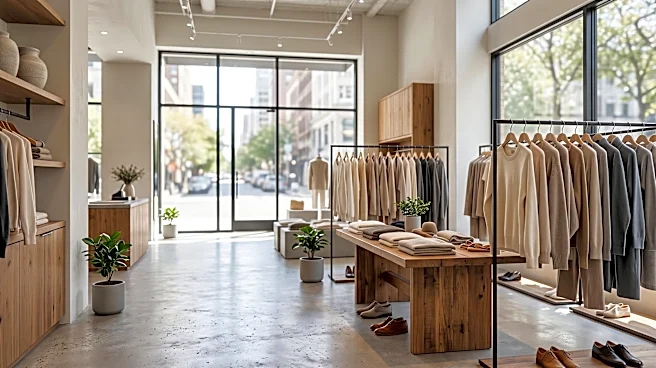
The success of Urban Outfitters' Nuuly service points to a broader trend in the retail industry: the increasing importance of circular economy models and experiential retail. While traditional retail often focuses on one-time sales, Nuuly's rental model fosters a continuous relationship with the customer, generating recurring revenue and encouraging repeat visits to physical stores. This approach transforms stores from mere points of sale into hubs for service and engagement, creating a unique competitive advantage. The strategy of driving traffic through rental returns, rather than just purchases, offers a new paradigm for brick-and-mortar retail, especially in an era dominated by e-commerce. It also raises questions about the long-term sustainability of fast fashion and the growing consumer preference for more sustainable and flexible consumption patterns. Urban Outfitters' ability to integrate a rental service so effectively within its existing retail infrastructure could serve as a blueprint for other retailers looking to innovate and adapt to changing consumer values and market dynamics.