







What's Happening?
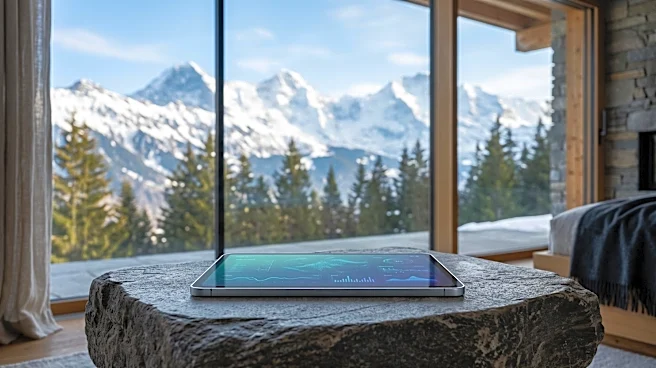
European longevity clinics are evolving to blend advanced diagnostic technologies with traditional wellness practices, often set in scenic locations like the Alps. These clinics, some with a century-long history, are moving beyond basic health concepts
like gut health and fasting to incorporate modern scientific approaches. New facilities are offering features such as altitude-simulated bedrooms, cardiac MRI scans, and biohacking circles. The focus is on highly personalized treatments, utilizing diagnostics like microbiome sequencing, epigenetic testing, VO2 max measurements, and biological age assessments. This shift indicates a growing trend in 'longevity travel,' moving from a niche market to a more mainstream offering by 2026, according to Euronews. These European centers are seen as a reference point for longevity medicine due to their long history of patient observation combined with continuous integration of the latest scientific advancements.
Why It's Important?
This trend signifies a significant shift in the wellness and healthcare industries, particularly for high-net-worth individuals seeking proactive health management. The integration of advanced diagnostics with luxurious, personalized retreats creates a new market segment that prioritizes 'healthspan'—the duration of a healthy life—over mere lifespan extension. For the U.S. market, this European model could influence the development of similar high-end longevity services, potentially driving innovation in preventive medicine and personalized health. It also highlights a growing consumer demand for data-driven health interventions and holistic well-being, which could impact insurance models, medical tourism, and the types of health services offered domestically. The emphasis on diagnostics and personalized care could also push for higher standards in health assessments and treatment protocols across the board.
What's Next?
The expansion of these sophisticated longevity clinics suggests a continued growth in personalized health and wellness tourism. Future developments may include more widespread adoption of technologies like AI in diagnostics and treatment planning, as well as increased collaboration between medical science and hospitality sectors. The success of these European models could inspire U.S. healthcare providers and entrepreneurs to invest in similar integrated health and wellness centers, potentially leading to a more competitive and diverse market for longevity services. There may also be a push for standardized accreditation and data collection, as seen with initiatives like the GHA Living Evidence Registry, to ensure quality and safety in this rapidly expanding field. The focus on 'healthspan' is likely to become a more prominent goal in health discussions and policy.
Beyond the Headlines
The rise of longevity clinics reflects a broader cultural shift towards proactive health management and human optimization, moving away from a reactive disease-treatment model. This paradigm shift raises ethical considerations regarding access and equity, as these high-cost, personalized services may initially be available only to a privileged few. It also highlights the increasing role of technology and data in personal health, blurring the lines between medical intervention and lifestyle choices. The concept of 'biohacking' and the pursuit of optimal human performance could become more mainstream, influencing consumer behavior and product development in areas like nutrition, fitness, and mental well-being. Ultimately, this trend could redefine societal expectations of aging and health, fostering a greater emphasis on preventive measures and individualized care throughout life.