






What's Happening?
American investors are showing a growing interest in British soccer teams, with ownership of Premier League clubs by U.S. entities steadily increasing. This trend is driven by the potential for significant financial returns and the unique appeal of soccer as a global
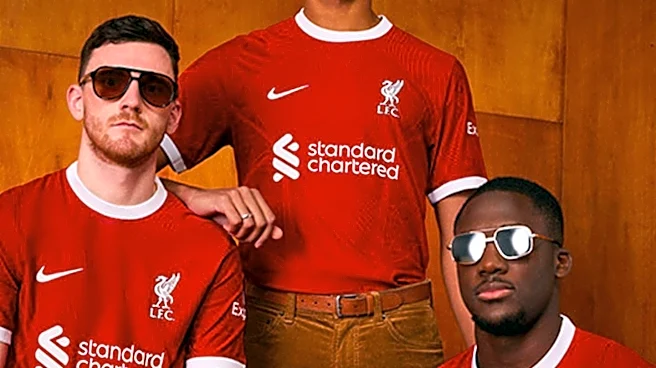
sport. Notable examples include the Glazer family's ownership of Manchester United and Fenway Sports Group's investment in Liverpool FC. The latter is poised to sell a minority stake in the club, valuing it at $6 billion. American investors are attracted to the inefficiencies in British soccer clubs' operations, which they believe can be optimized for better financial performance.
Why It's Important?
The increasing American investment in British soccer teams highlights the sport's growing appeal as a lucrative asset class. Soccer clubs offer unique opportunities for revenue maximization, particularly through broadcast rights and commercial partnerships. However, investors must balance commercialization with maintaining fan loyalty, as excessive focus on profits could alienate supporters. The scarcity of elite soccer clubs adds to their value, making them attractive to investors seeking rare and prestigious assets. This trend reflects a broader shift in the sports industry, where financial opportunities are increasingly driving investment decisions.
Beyond the Headlines
The influx of American investment in British soccer teams raises questions about the cultural and operational impact on the sport. While financial optimization can improve club performance, it may also lead to tensions with traditional fans who value the sport's heritage and community ties. The challenge for investors is to enhance financial returns while preserving the cultural essence of soccer. This dynamic underscores the broader tension between commercialization and tradition in sports, as investors seek to capitalize on the global appeal of soccer while respecting its historical roots.