






What's Happening?
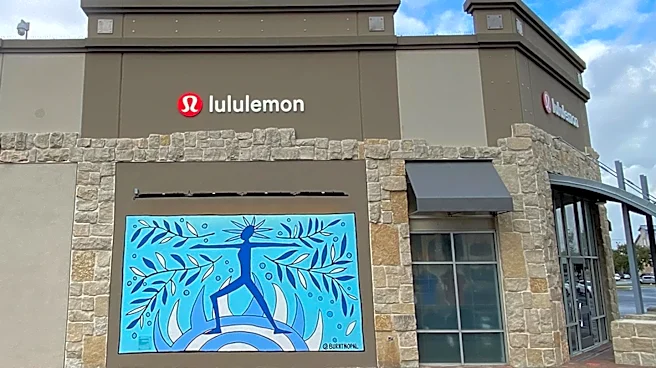
Pomerantz LLP has initiated a class action lawsuit against Lululemon Athletica Inc. and certain officers, alleging violations of federal securities laws. The lawsuit, filed in the United States District Court for the District of New Jersey (docketed under
26-cv-14271), represents shareholders who purchased Lululemon securities between March 18, 2026, and September 3, 2026. The complaint asserts that Lululemon made materially false and misleading statements regarding its business, operations, and prospects during this period. Specifically, it claims that the company failed to disclose significant deterioration in store traffic and product demand due to negative media commentary and softer-than-planned new product launches. These issues, according to the lawsuit, were likely to negatively impact Lululemon's business and reputation, rendering its previously issued financial guidance for fiscal year (FY) 2026 unrealistic. The defendants are also accused of downplaying the severity of these problems and overstating the strength of Lululemon's overall business and turnaround plan, particularly in North America and mainland China. Investors have until January 4, 2027, to seek appointment as Lead Plaintiff.
Why It's Important?
This class action lawsuit is significant as it highlights potential issues of corporate transparency and accountability within a major U.S. retail company. If the allegations are proven true, it could lead to substantial financial penalties for Lululemon and its officers, impacting shareholder value and potentially eroding investor confidence in the company's management. The lawsuit underscores the importance of accurate financial reporting and the potential legal repercussions for companies that may mislead investors about their performance and market conditions. For the broader market, such cases serve as a reminder of the risks associated with investing in companies that may not fully disclose operational challenges. It also emphasizes the role of legal firms like Pomerantz LLP in holding corporations accountable for alleged securities fraud, thereby protecting shareholder interests and promoting market integrity. The outcome of this case could influence how other companies communicate their financial outlook and operational challenges to the public.
What's Next?
Shareholders who purchased Lululemon securities during the specified Class Period have until January 4, 2027, to apply to the Court to be appointed as Lead Plaintiff in the class action. Following this, the legal proceedings will continue, involving discovery, potential motions to dismiss, and possibly a trial or settlement. Lululemon will likely defend itself against these allegations, presenting its own evidence and arguments. The company's stock performance could remain volatile as the lawsuit progresses, influenced by legal developments and investor sentiment. The outcome could result in a significant financial judgment against Lululemon, requiring the company to pay damages to affected shareholders. Additionally, the lawsuit may prompt internal reviews of Lululemon's disclosure practices and corporate governance to prevent similar issues in the future. The case will be closely watched by investors and legal experts as it could set precedents for corporate responsibility in financial reporting.
Beyond the Headlines
Beyond the immediate financial implications, this lawsuit touches upon broader ethical and regulatory considerations in the corporate world. The allegations of misleading statements raise questions about the ethical responsibilities of corporate executives to their shareholders and the public. It also highlights the challenges companies face in managing brand image and market perception, especially in the age of rapid media and social media commentary. The lawsuit's focus on 'softer-than-planned new product launches' and 'negative media and social-media commentary' as contributing factors to declining performance underscores the increasing influence of public perception and digital discourse on corporate success. This case could lead to increased scrutiny from regulatory bodies regarding how companies communicate their financial health and market challenges, potentially influencing future disclosure requirements and corporate communication strategies across the retail sector and beyond. The long-term impact could be a shift towards greater transparency and more cautious forward-looking statements from publicly traded companies.