





What's Happening?
OrangeTheory Fitness (OTF) has established itself in the boutique fitness industry by focusing on the 'Orange Zone,' a target heart rate zone designed to maximize caloric burn and metabolic efficiency. OTF sessions are high-intensity interval training
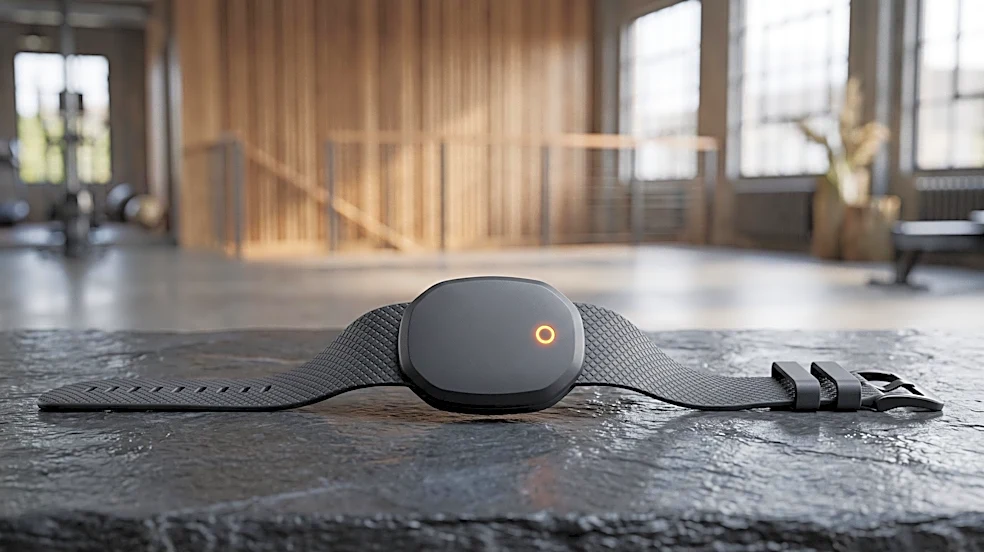
(HIIT) workouts, with a standardized daily template followed globally. The core of the OTF methodology is Excess Post-Exercise Oxygen Consumption (EPOC), aiming to push heart rates into the 'Orange Zone' (84% to 91% of maximum heart rate) to trigger an 'afterburn' effect, where calories continue to burn at an elevated rate for up to 36 hours post-workout. Members track their heart rate, percentage of max, and calorie burn in real-time, earning 'Splat Points' for every minute spent in the Orange or Red zones, with a goal of at least 12 Splat Points per 60-minute class. Workouts are divided into three stations: treadmill, water rower, and weight floor, each designed to provide a total-body training stimulus.
Why It's Important?
OrangeTheory Fitness's approach is significant for the U.S. fitness industry as it represents a successful model for boutique fitness, emphasizing data-driven, coached, and standardized high-intensity workouts. The focus on the 'Orange Zone' and 'Splat Points' provides a clear, measurable goal for participants, which can enhance motivation and adherence. This model has influenced how fitness studios design their programs and engage members, contributing to the growth of specialized group fitness. The real-time data tracking and emphasis on EPOC also highlight a trend towards more scientific and personalized approaches to exercise, appealing to consumers seeking efficient and effective workout solutions. Its standardized global template ensures consistent quality, which is a key factor in brand loyalty and expansion.
What's Next?
The success of OrangeTheory Fitness suggests a continued trend towards data-driven and high-intensity group fitness models. Other fitness brands may adopt similar heart rate-based training methodologies and real-time performance tracking. There could be further innovation in wearable technology and integrated fitness platforms that provide similar physiological feedback. The emphasis on a 'coached environment' also points to a sustained demand for expert guidance in fitness, potentially leading to more specialized training certifications and roles within the industry. As the boutique fitness market evolves, OTF's model may inspire new hybrid workout formats that combine cardio, strength, and data analytics to cater to diverse fitness goals.
Beyond the Headlines
Beyond the immediate fitness benefits, OrangeTheory's model reflects a broader cultural fascination with quantification and optimization in personal well-being. The gamification of exercise through 'Splat Points' and real-time data taps into psychological motivators, turning workouts into a measurable challenge. This approach can foster a strong sense of community and competition among members, but also raises questions about potential over-reliance on metrics versus intrinsic enjoyment of movement. The standardization of workouts across all locations, while ensuring consistency, also highlights a tension between personalized fitness and scalable business models. This model's success underscores how technology and scientific principles are increasingly integrated into everyday health practices, shaping consumer expectations for measurable results and engaging experiences in their fitness journeys.