






What's Happening?
Armani/Caffè Mumbai has opened, providing an immersive Italian dining experience that extends Giorgio Armani's brand beyond retail. Located in Jio World Plaza in BKC, adjacent to a Giorgio Armani boutique, this is the first Armani/Caffè in India. The
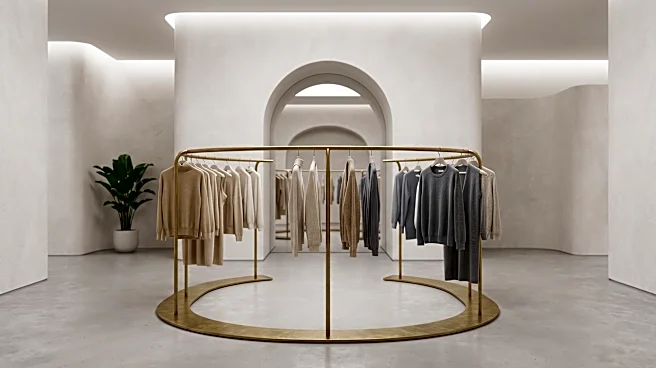
café's design reflects the brand's aesthetic of understated elegance, featuring soft blues, greens, palm-print screens, and clean lines, deliberately avoiding loud logos. The menu focuses on authentic Italian cuisine, including Roman-style pizzas, handmade pastas, fresh salads, and desserts, complemented by a curated selection of Italian wines. This initiative is part of a broader trend among luxury fashion houses to create experiential connections with consumers through gastronomy, a vision Giorgio Armani has pursued since 1998 with its first café in Paris.
Why It's Important?
The opening of Armani/Caffè Mumbai is significant as it represents a strategic expansion of Giorgio Armani's brand into the luxury hospitality sector in a key emerging market. This move allows the brand to engage with consumers on a multi-sensory level, offering an experience that goes beyond traditional retail. For the U.S. market, this trend of luxury fashion brands diversifying into dining could influence similar expansions, creating new avenues for brand engagement and revenue. It also highlights the increasing importance of experiential marketing in the luxury segment, where brands seek to offer unique lifestyle experiences rather than just products. This approach can foster deeper brand loyalty and attract a broader customer base, including those who may not initially be drawn to fashion but appreciate fine dining and sophisticated ambiance. The success of such ventures can set precedents for how luxury brands evolve their business models globally.
What's Next?
Following the launch of Armani/Caffè Mumbai, Giorgio Armani will likely monitor its performance and customer reception to inform potential future expansions of its hospitality ventures in other global markets. The success of this café could encourage other luxury fashion brands to further invest in similar gastronomic experiences, intensifying competition in this niche. The café will focus on maintaining its high standards of service and cuisine to uphold the brand's reputation. Marketing efforts will likely highlight the unique blend of fashion and food, attracting both fashion enthusiasts and culinary connoisseurs. The integration of the café with the adjacent boutique suggests potential cross-promotional activities, enhancing the overall brand experience for visitors. Future developments might include seasonal menu changes, special events, or collaborations with local chefs to keep the offering fresh and appealing.
Beyond the Headlines
The trend of luxury fashion houses venturing into gastronomy, exemplified by Armani/Caffè Mumbai, reflects a deeper evolution in the luxury market. It signifies a shift from purely product-centric branding to a more holistic lifestyle approach, where brands aim to permeate various aspects of a consumer's life. This strategy allows brands to cultivate an aspirational lifestyle, selling not just clothes but an entire experience of elegance, taste, and sophistication. Ethically, it raises questions about brand authenticity and whether these extensions genuinely reflect the core values of the fashion house or are merely marketing ploys. Culturally, these cafés become social hubs that blend fashion, food, and art, influencing urban social scenes and consumer expectations for luxury experiences. The subtle branding within Armani/Caffè, devoid of loud logos, also speaks to a growing preference for understated luxury and a focus on intrinsic quality rather than overt display, signaling a mature and confident brand identity.