







What's Happening?
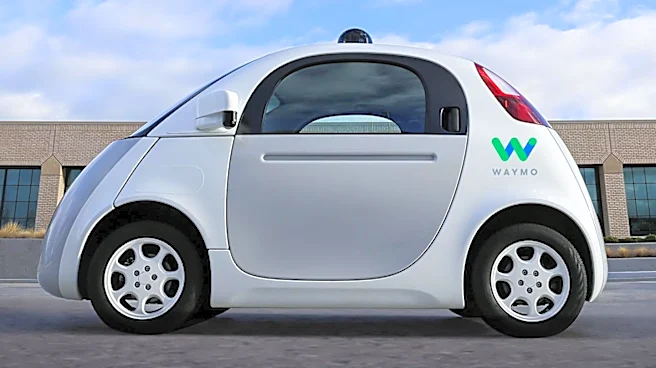
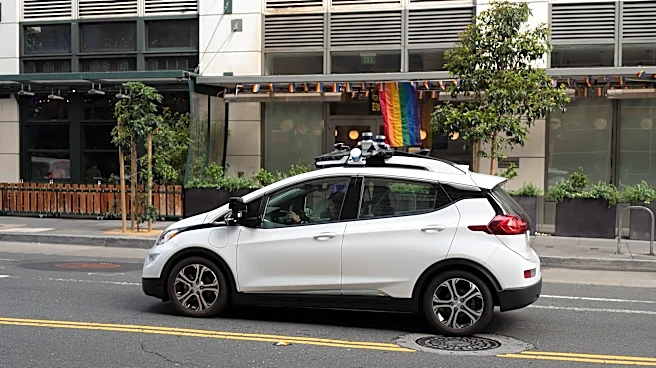
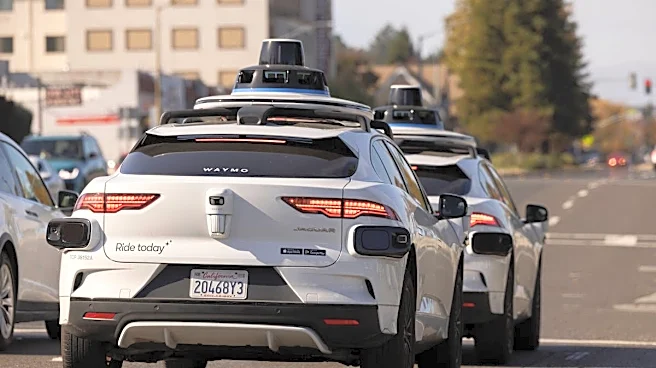
Waymo, the autonomous vehicle division of Alphabet, is set to expand its driverless ride services to four additional U.S. cities: San Diego, Las Vegas, Tampa, and Denver. Initially, the service will be available to Alphabet employees, with plans to extend
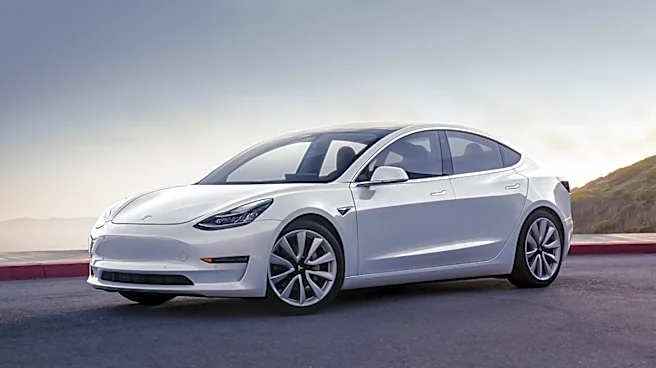
it to the general public. This expansion builds on Waymo's existing operations in over ten cities, where it has established a significant lead in the U.S. robotaxi market. The company has been actively expanding its fleet, which includes approximately 4,000 robotaxis equipped with advanced automated driving systems. This move comes as competitors like Tesla and Zoox are also making strides in the autonomous vehicle sector, with Zoox planning to launch services in Austin and Miami later this year.
Why It's Important?
The expansion of Waymo's driverless services is a significant development in the autonomous vehicle industry, highlighting the growing acceptance and integration of this technology in urban transportation. By increasing its presence in major U.S. cities, Waymo is not only enhancing its market leadership but also setting a precedent for the future of urban mobility. This expansion could lead to increased competition among tech giants and automotive companies, potentially accelerating advancements in autonomous driving technology. For consumers, this could mean more transportation options and potentially lower costs. However, it also raises questions about regulatory challenges, safety standards, and the impact on traditional taxi and ride-sharing services.
What's Next?
As Waymo rolls out its services to the public, it will likely face scrutiny from regulators and the public regarding safety and operational efficiency. The company will need to address any technical challenges, such as those experienced during extreme weather events, to ensure reliable service. Additionally, Waymo's planned international expansion, starting with London, indicates a broader strategy to establish a global presence. The success of these initiatives will depend on the company's ability to navigate regulatory landscapes and public perception while maintaining technological leadership.