






What's Happening?
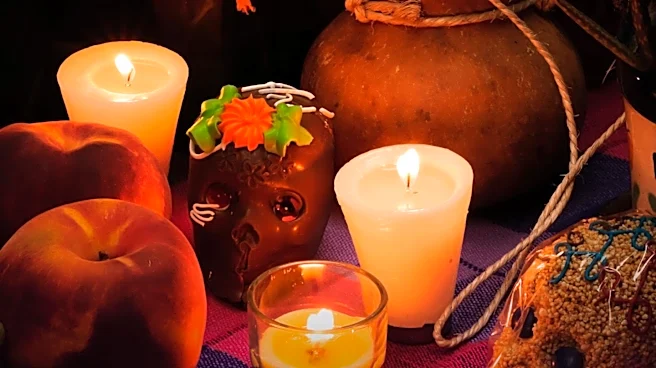
Día de Muertos, a Mexican holiday primarily observed on November 1 and 2, was recently celebrated in Puerto Vallarta, Mexico. A traveler on a Disney Magic cruise experienced the festivities firsthand, noting the city's vibrant decorations, elaborate ofrendas
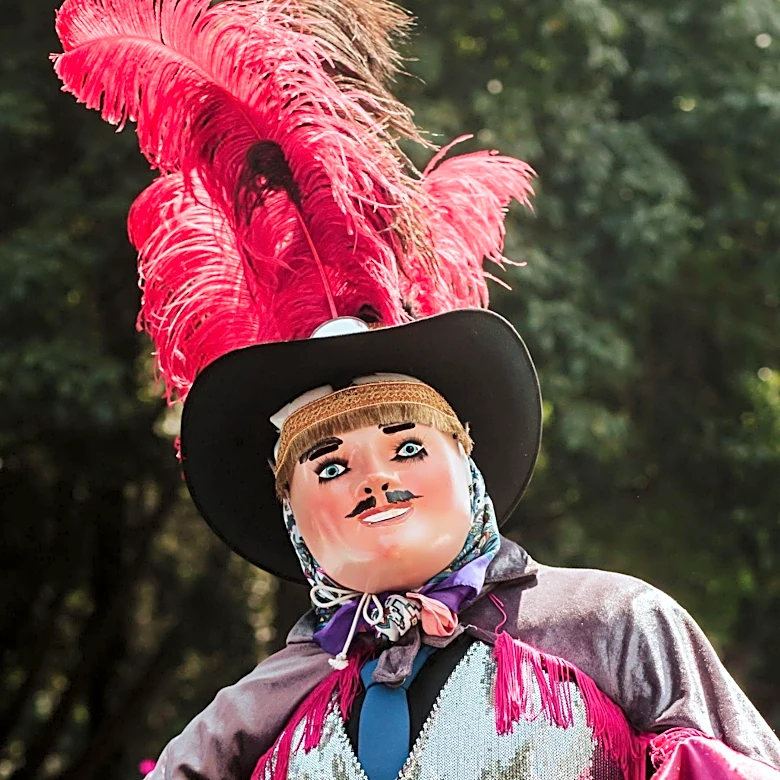
(altars), and various cultural performances along the Malecón, Puerto Vallarta's oceanfront boardwalk. A significant highlight was an 85-foot-tall Catrina skeleton display, a recognizable symbol of Día de Muertos. The celebration included traditional Mexican performances like the Voladores de Papantla, where performers descend a tall pole while spinning on ropes and playing musical instruments. The event provided an immersive cultural experience for visitors, showcasing the holiday's focus on remembering and honoring deceased loved ones through colorful and festive traditions.
Why It's Important?
The celebration of Día de Muertos in popular tourist destinations like Puerto Vallarta highlights the growing global appreciation and understanding of Mexican cultural heritage. For U.S. travelers, particularly those on cruises, it offers a unique opportunity to engage directly with traditions that are increasingly recognized and celebrated within the United States, especially among Mexican-American communities. This exposure can foster cross-cultural understanding and appreciation, potentially influencing travel patterns and cultural exchange. Economically, such events boost local tourism, supporting businesses and artisans who contribute to the festive atmosphere. The visibility of these celebrations also reinforces the cultural identity of Mexican communities both domestically and internationally, promoting a positive image of their traditions.
What's Next?
As Día de Muertos continues to gain international recognition, similar large-scale celebrations are likely to become more common in other Mexican tourist destinations and potentially in U.S. cities with significant Mexican-American populations. Cruise lines and other travel operators may increasingly incorporate these cultural events into their itineraries, offering specialized tours or experiences during the holiday period. This trend could lead to further commercialization of the holiday, but also to broader educational initiatives aimed at explaining its historical and cultural significance. Local communities in Mexico will likely continue to enhance their celebrations, drawing more visitors and further solidifying Día de Muertos as a major cultural tourism event.
Beyond the Headlines
Beyond its immediate festive appeal, Día de Muertos carries profound ethical and cultural implications. It challenges Western perspectives on death, framing it not as an end but as a continuation of life and a cause for celebration and remembrance. This perspective can offer comfort and a unique way of processing grief, contrasting with more somber approaches to mourning. The holiday's emphasis on family, memory, and the honoring of ancestors reinforces strong community bonds and intergenerational connections. The increasing popularity of Día de Muertos in the U.S. also reflects a broader cultural shift towards embracing diverse traditions and recognizing the rich tapestry of American society, prompting discussions about cultural appropriation versus appreciation.