







What's Happening?
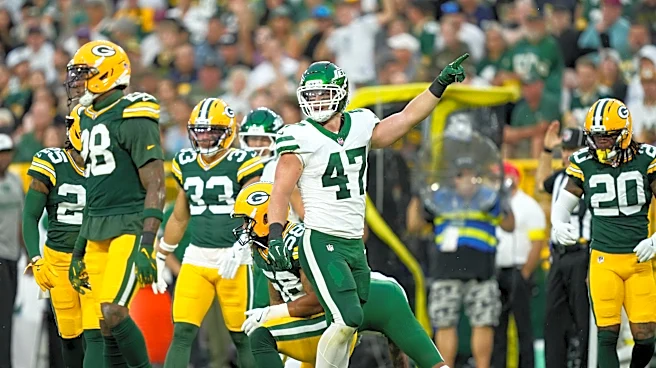
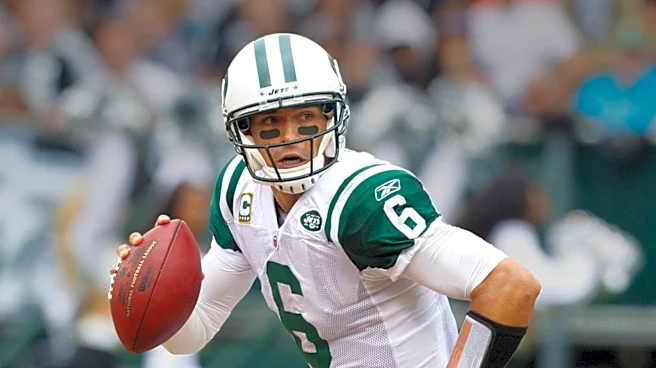
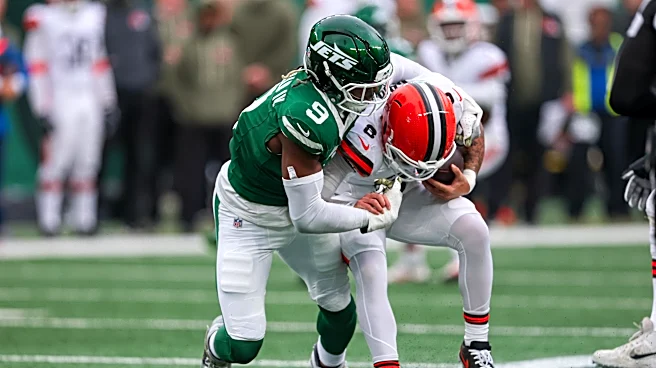
The New York Jets are making significant changes to their offensive strategy in an effort to improve their passing game for the 2026 NFL season. After ranking last in the league for passing yards per game in the 2025 season, the team has replaced quarterback
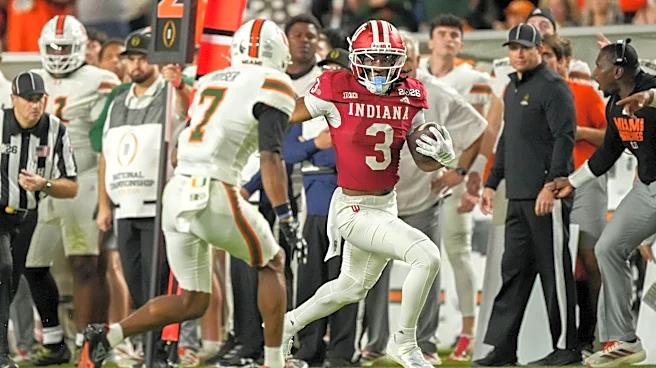
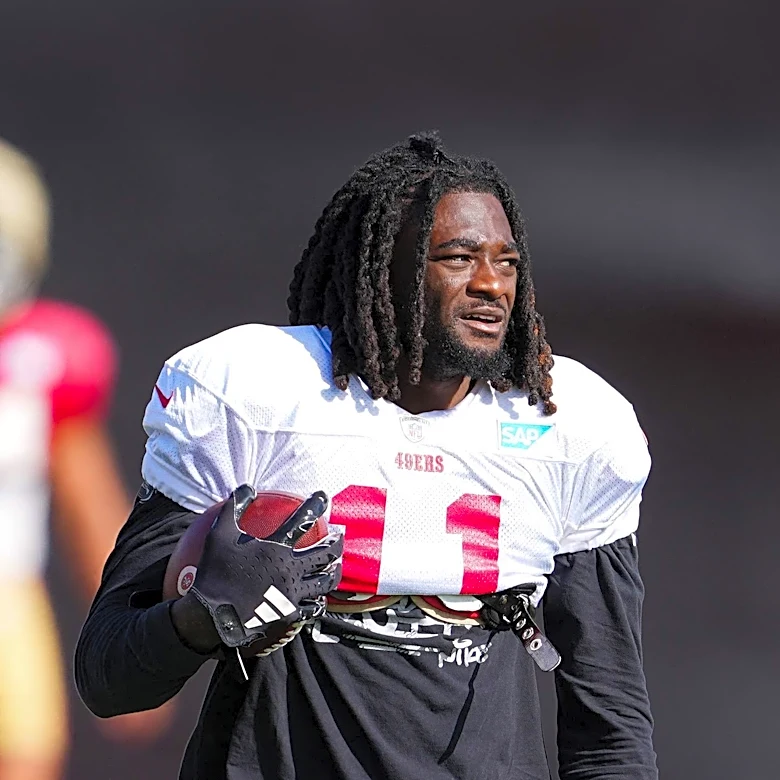
Justin Fields and offensive coordinator Tanner Engstrand. The Jets have hired Frank Reich as the new offensive coordinator and signed Geno Smith as the quarterback. Additionally, key players Garrett Wilson and Breece Hall have been extended, and the team has drafted two pass catchers, tight end Kenyon Sadiq and wide receiver Omar Cooper Jr., in the first round. These changes aim to revitalize the Jets' aerial attack, which has struggled since their 2024 season under quarterback Aaron Rodgers.
Why It's Important?
The Jets' decision to revamp their offensive lineup is crucial for the team's competitiveness in the upcoming season. By addressing their passing game deficiencies, the Jets hope to improve their overall performance and standings in the NFL. The success of these changes could impact the team's fan base, ticket sales, and overall marketability. Moreover, a stronger passing game could lead to better game outcomes, potentially positioning the Jets as playoff contenders. The investments in new talent and leadership reflect the team's commitment to overcoming past challenges and striving for success.
What's Next?
As the 2026 NFL season approaches, the Jets will focus on integrating their new players and strategies into the team. The effectiveness of these changes will be closely monitored by fans and analysts alike. The performance of Geno Smith and the newly drafted players will be pivotal in determining the success of the Jets' revamped offense. The team will also need to ensure that their offensive line can support the new strategy, providing protection and opportunities for the passing game to thrive. The upcoming season will be a test of the Jets' ability to execute their new game plan and achieve their goals.