






What's Happening?
Luxury brands are facing increasing pressure to re-evaluate their pricing strategies following significant price hikes during the pandemic boom era. Between 2019 and 2024, the average price of personal luxury goods surged by 52%, according to HSBC. This
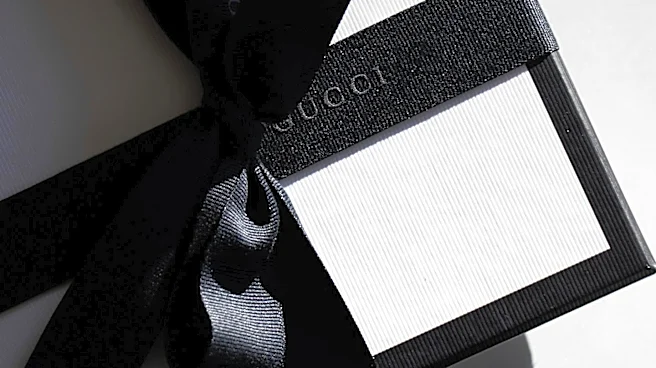
trend is exemplified by items like the Chanel classic flap bag, which increased from $5,800 in 2019 to $11,700 today, and the Louis Vuitton Neverfull, which tripled in price since its 2007 debut. These increases, coupled with high cost-of-living inflation in the U.S., slower economic growth in China, and geopolitical issues, have led to a slowdown in consumer spending. Gucci, for instance, quietly reduced the price of its medium leather Mercato tote bag by an estimated 20-25% as part of a broader strategy to boost sales and reconnect with aspirational shoppers. Analysts note that many consumers, particularly younger generations, question the value proposition of these elevated prices, with some Gen Z shoppers expressing a preference for more affordable alternatives.
Why It's Important?
This pricing dilemma is critically important for the U.S. luxury market and its consumers. The post-pandemic price hikes have alienated a significant segment of aspirational shoppers, who are crucial for the growth and sustained profitability of mega-brands. The disconnect between rising prices and perceived value, especially among younger consumers, poses a long-term threat to brand loyalty and market share. If luxury brands fail to address affordability concerns, they risk losing a generation of potential customers to more accessible alternatives or second-hand markets. The strategic adjustments by brands like Gucci indicate a recognition of this issue, suggesting a potential shift in the broader luxury market towards more diversified pricing tiers and a renewed focus on entry-level offerings to re-engage a wider consumer base. This could lead to a more competitive landscape and innovative approaches to value creation.
What's Next?
Luxury brands are expected to continue exploring strategies to balance brand prestige with affordability. This may involve more brands following Gucci's lead in adjusting prices for certain items or diversifying their product lines to include more mid-price and entry-level options without compromising quality. There could be an increased focus on communicating the value proposition of luxury goods beyond just price, emphasizing craftsmanship, heritage, and sustainability. Brands might also invest more in understanding and catering to the evolving preferences of younger consumers, who are increasingly vocal about their expectations for transparency and ethical practices. The industry will likely monitor sales figures and consumer sentiment closely to determine the effectiveness of these adjustments and whether they successfully re-engage the 50 million luxury shoppers lost since the price hikes.
Beyond the Headlines
The debate over luxury pricing extends beyond mere economics, touching upon the very definition of luxury in contemporary society. The significant price increases have sparked a cultural conversation about consumerism, perceived value, and the ethics of exorbitant pricing in a world grappling with economic disparities. Younger generations, empowered by social media, are openly questioning the justification for these price tags, challenging the traditional mystique of luxury. This shift in consumer mindset could lead to a re-evaluation of what constitutes 'luxury'—moving beyond just price to encompass unique experiences, sustainable practices, and genuine craftsmanship. The industry's response to this challenge will not only shape its financial future but also its cultural relevance and ability to connect with a new generation of discerning consumers, potentially fostering a more conscious and value-driven approach to high-end consumption.