



What's Happening?
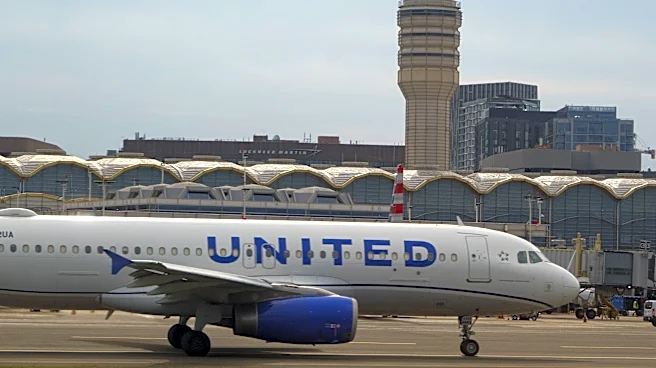
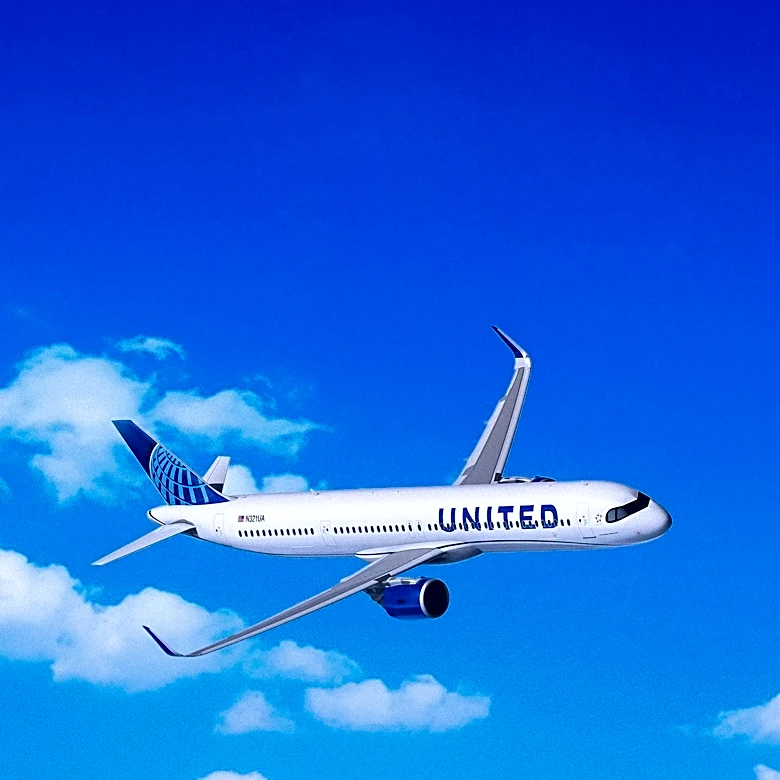
United Airlines has consistently ranked last for mishandled baggage in both 2025 and the first nine months of 2026, according to federal data. This includes being the worst performer in July, August, and September of 2026. The airline's mishandled baggage rate
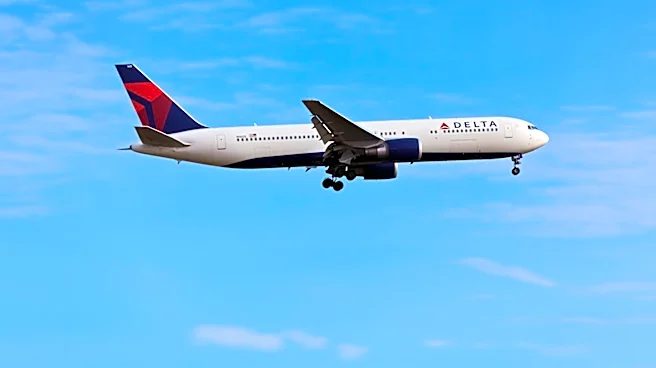
is nearly double that of Delta Air Lines. Furthermore, United's cancellation rate has increased from 1.34% to 1.75% through September 2026, representing nearly a one-third increase. While United ranks third for on-time arrivals, its punctuality has declined. The airline attributes some of these operational challenges to its hubs being located at some of the most congested and constrained airports in the country. However, the issues extend beyond on-time performance and flight completion factors, significantly impacting customer experience, particularly concerning baggage handling and flight reliability.
Why It's Important?
United Airlines' persistent issues with mishandled baggage and rising cancellation rates have significant implications for its brand reputation and customer loyalty within the competitive U.S. airline industry. Passengers increasingly prioritize reliable service, and consistent failures in basic operations like baggage delivery can deter future bookings. This performance gap, especially when compared to competitors like Delta, could lead to a loss of market share and revenue for United. The airline's efforts to improve cabins, technology, and network may be undermined if fundamental operational aspects are not met. For consumers, these trends mean increased travel uncertainty, potential financial losses due to lost or delayed luggage, and disruptions to travel plans, impacting both business and leisure travelers across the United States.
What's Next?
United Airlines will likely face continued scrutiny from federal regulators and consumer advocacy groups regarding its operational performance. The airline may need to implement more robust strategies to address baggage handling and flight cancellation issues, potentially involving investments in ground operations, staffing, and technology. Failure to improve these metrics could lead to further negative publicity and a decline in customer trust. Competitors may capitalize on United's operational weaknesses by highlighting their own reliability, potentially shifting passenger preferences. United's management will need to demonstrate tangible improvements in these key performance indicators to regain passenger confidence and maintain its standing in the U.S. aviation market.
Beyond the Headlines
The operational challenges faced by United Airlines highlight broader systemic issues within the U.S. airline industry, including the strain on infrastructure at major hubs and the complexities of managing large-scale logistics. While United points to congested airports, the disparity in performance among airlines operating in similar environments suggests that internal operational efficiencies and resource allocation play a crucial role. The increasing trend of passengers carrying bags into the cabin, partly due to checked bag fees and concerns over mishandling, further exacerbates boarding times and gate checking issues, creating a ripple effect on overall flight punctuality. This situation underscores the delicate balance airlines must strike between cost-cutting measures, customer service, and operational integrity in a highly competitive and regulated environment.