

What's Happening?
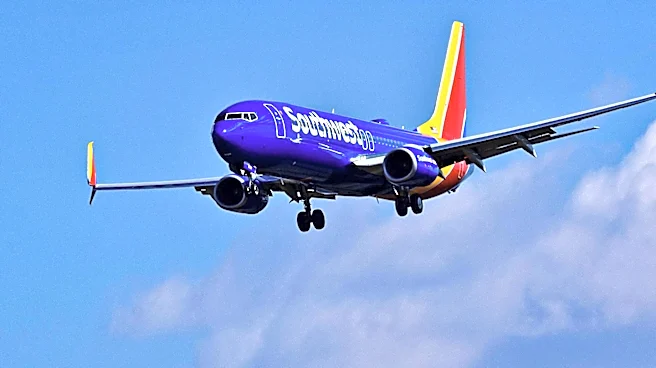
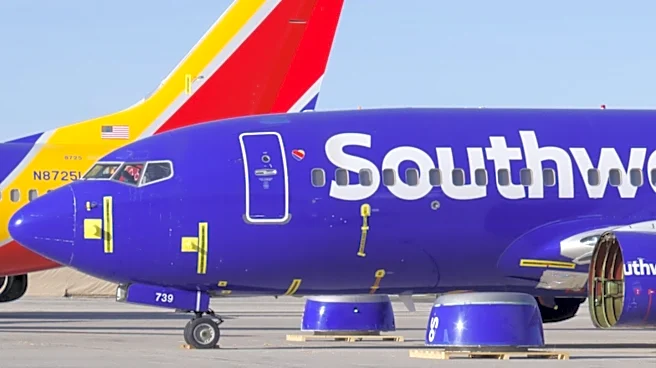
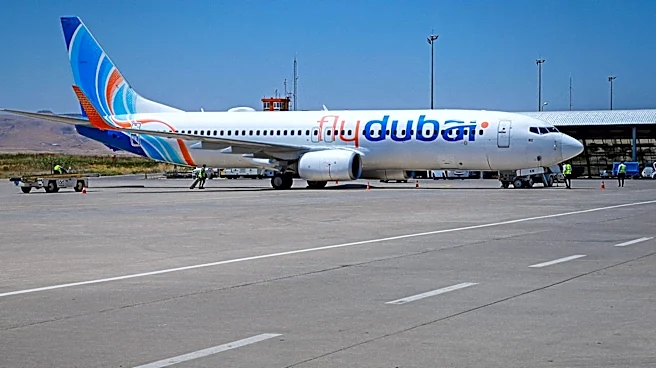
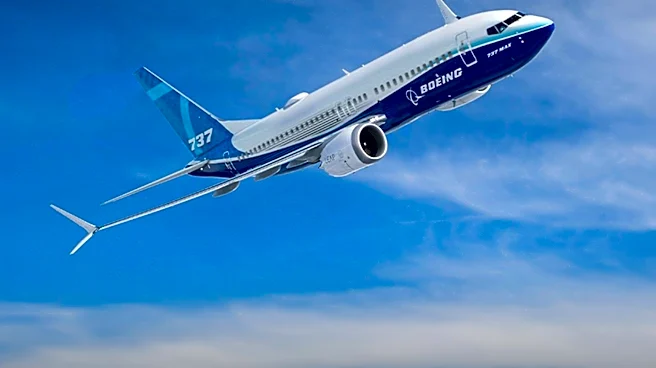
The Federal Aviation Administration (FAA) has issued a directive requiring inspections for 471 Boeing 737 Max jets following reports of cracks in older models. This directive, effective from September 10, 2026, applies to the 737-8, 737-9, and 737-8200
models. Although no cracks have been found in these specific Max models, the FAA's decision is based on previous reports of cracks in the forward bear strap of older 'Next-Generation' 737 planes. These bear straps are crucial for reinforcing areas around doorways and emergency exits. Boeing has acknowledged the issue and has been working with operators to address it over the past six years.
Why It's Important?
The FAA's directive is a critical step in ensuring the safety and structural integrity of Boeing's 737 Max jets, which have been under scrutiny following two fatal crashes in 2018 and 2019. The inspections aim to prevent potential safety hazards that could arise from structural cracks, thereby protecting passengers and maintaining public confidence in air travel. This move also highlights the ongoing challenges Boeing faces in addressing safety and quality issues, which have significant implications for the company's reputation and financial performance. Ensuring the airworthiness of these aircraft is essential for the airline industry and its stakeholders.
What's Next?
Boeing and the FAA will continue to monitor the situation closely, with inspections set to begin in September. Airlines operating the affected models will need to comply with the directive to ensure their fleets meet safety standards. The aviation industry will be watching closely to see how Boeing addresses these challenges and whether further regulatory actions will be necessary. The outcome of these inspections could influence future policies and practices regarding aircraft maintenance and safety protocols.