







What's Happening?
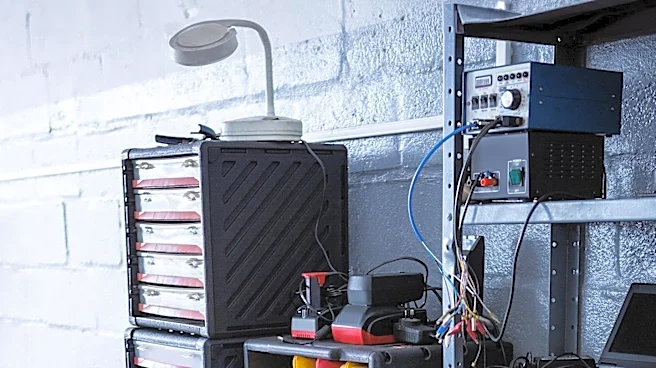
Storing electronics in garages across the U.S. can lead to their damage or premature failure due to the lack of climate control in most such spaces. Garages are often not insulated and can experience a greenhouse effect, making them 10 to 18 degrees hotter
than the outside temperature. This issue is exacerbated in regions with extreme climates, such as the dry heat of the Southwest, which can accelerate battery aging and cause rapid temperature swings. Humidity, regardless of location, can corrode contacts and solder joints within devices and lead to condensation. Building codes often treat garages as separate from the main home, contributing to their lack of climate control and making them unsuitable for sensitive electronics.
Why It's Important?
This information is crucial for U.S. consumers and businesses that store electronic equipment, as improper storage can result in significant financial losses and environmental waste. The premature degradation of electronics due to unsuitable garage conditions means consumers may need to replace devices more frequently, incurring additional costs. For businesses, especially those with inventory or equipment stored in non-climate-controlled facilities, this can lead to operational disruptions and unexpected expenses. Understanding these risks can help individuals and organizations make informed decisions about storage, potentially extending the lifespan of their electronics and reducing their environmental footprint by minimizing electronic waste. The advice to store electronics in climate-controlled environments or take specific protective measures highlights a common oversight with tangible economic consequences.
What's Next?
Consumers and businesses should re-evaluate their current electronics storage practices. The recommendation is to store electronics in climate-controlled environments, ideally inside the home. If a garage is the only option, specific mitigation strategies are advised: using rigid, sealed weatherproof bins, placing silica desiccant packs inside, wrapping delicate hardware in anti-static bags, and elevating bins off concrete floors. Additionally, removing disposable batteries and periodically charging rechargeable devices are important steps for long-term storage. Manufacturers' recommendations, such as Apple's advice to store MacBooks at 50 percent battery in cool locations, should be consulted. These proactive measures can help prevent damage and prolong the life of electronic devices.
Beyond the Headlines
The issue of electronics storage extends beyond mere convenience to touch upon broader themes of consumer responsibility, product longevity, and environmental sustainability. The common practice of using garages for storage often stems from a lack of awareness regarding the specific environmental needs of electronic components. This oversight contributes to a culture of disposability, where devices are replaced rather than maintained, increasing electronic waste. Educating the public on proper storage techniques could foster greater product stewardship and potentially influence manufacturing practices towards more durable and resilient designs. Furthermore, the lack of climate control in garages, often due to building codes prioritizing safety from carbon monoxide, highlights a design challenge that could be addressed with innovative solutions for integrated climate control in residential and commercial structures.