






What's Happening?
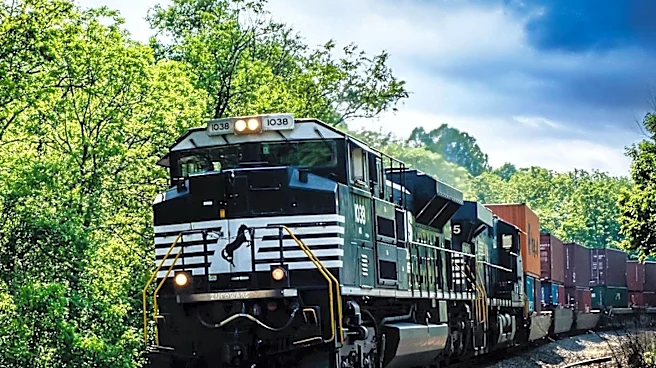
Norfolk Southern Corporation, headquartered in Atlanta, Georgia, operates a vast freight transportation network spanning 22 states across the United States. The company, incorporated in 1980, specializes in the rail transport of raw materials, intermediate
products, and finished goods. Its operations cover a wide array of commodities, including agriculture (soybeans, wheat, corn, fertilizers, livestock and poultry feed, food products, ethanol), forest and consumer products (lumber, paper products, beverages, canned goods), chemicals (sulfur, petroleum products, plastics, industrial chemicals, natural gas liquids), metals and construction materials (steel, aluminum, machinery, cement, aggregates), and automotive goods (finished vehicles and parts). Additionally, Norfolk Southern transports coal and overseas freight through major ports along the Atlantic and Gulf Coasts, and operates the most extensive intermodal network in the eastern U.S. The company's services reach a significant portion of the country's population and manufacturing base.
Why It's Important?
Norfolk Southern's extensive rail network plays a critical role in the U.S. economy by facilitating the movement of essential goods and raw materials across the country. Its operations support various industries, from agriculture and manufacturing to automotive and construction, ensuring supply chain efficiency and contributing to economic stability. By transporting approximately 7 million carloads annually, the company helps connect producers with consumers and manufacturers with their necessary inputs. Furthermore, the company's rail services offer an environmentally beneficial alternative to other transportation methods, helping its customers avoid an estimated 15 million tons of carbon emissions yearly. This environmental advantage aligns with growing national and global sustainability goals, positioning rail transport as a key component of a greener logistics infrastructure. The company's broad reach, connecting to major ports and manufacturing hubs, underscores its importance in both domestic and international trade flows.
What's Next?
As Norfolk Southern continues to operate its extensive rail network, future developments will likely focus on optimizing its intermodal capabilities and expanding its reach to further enhance supply chain resilience. The company's strategic connections to major container ports on the Atlantic and Gulf Coasts, as well as the Great Lakes, suggest ongoing efforts to streamline the flow of international trade. Given the increasing emphasis on environmental sustainability, Norfolk Southern may also explore further initiatives to reduce its carbon footprint and promote rail as a more eco-friendly transportation option. Continued investment in infrastructure and technology will be crucial to maintaining efficiency and meeting the evolving demands of its diverse customer base, which spans agriculture, manufacturing, and consumer goods sectors. The company's role in transporting critical materials like steel, chemicals, and automotive components indicates its continued importance in supporting key U.S. industries.
Beyond the Headlines
The operational scope of Norfolk Southern extends beyond mere logistics, touching upon broader themes of national infrastructure, economic resilience, and environmental stewardship. The company's ability to transport a vast array of goods, from agricultural products to military-related items, highlights its foundational role in supporting both civilian life and national security. Its contribution to avoiding 15 million tons of carbon emissions annually underscores the often-underestimated environmental benefits of rail freight, positioning it as a crucial player in the national effort to combat climate change. This also raises questions about policy incentives for shifting more freight from road to rail. Furthermore, the company's extensive intermodal network signifies the increasing complexity and integration of modern supply chains, where seamless transitions between different modes of transport are vital for efficiency and cost-effectiveness. The long-term implications of such a robust rail system include reduced road congestion, lower transportation costs for businesses, and enhanced regional economic development in the areas it serves.