






What's Happening?
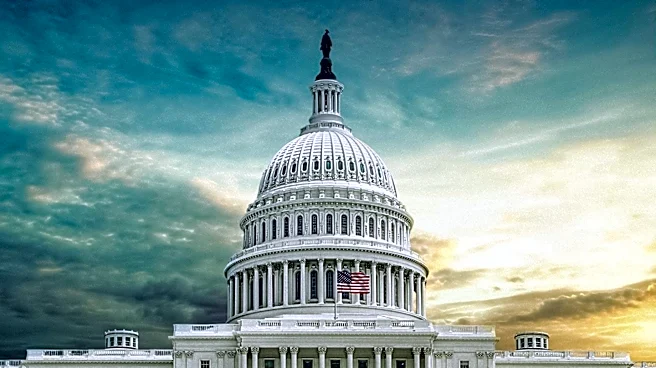
The U.S. Congress is currently proposing a first-ever national film and TV tax incentive. This legislative effort has garnered initial bipartisan support, a notable occurrence given the current political climate. The bill also has the backing of various
guilds and unions within the entertainment industry, including IATSE, which represents many film crew workers. This initiative comes after a challenging period for the industry, marked by a production slowdown, and aims to bolster domestic film and television production. The proposal is seen as a significant step to help the U.S. compete with other nations that offer similar incentives, and it is hoped that it will lead to an increase in independent film production.
Why It's Important?
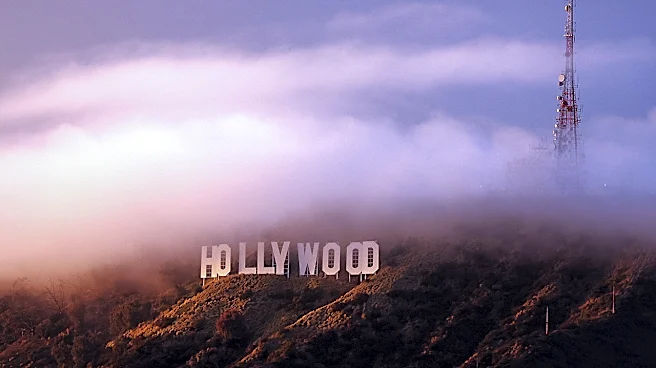
This proposed national tax incentive is important for the U.S. entertainment industry, which has faced a decline in production days, particularly since the pandemic. The current landscape sees Hollywood operating with outdated models, and this bill could modernize its financial framework. By offering federal incentives that can be 'stackable' with existing state incentives, the U.S. aims to retain and attract film and TV productions that might otherwise go to countries with more favorable tax structures. This could lead to job creation, economic growth in various states, and a boost for independent filmmakers. The bipartisan support for the bill also signals a potential for unified action on economic issues affecting a major U.S. industry, which could set a precedent for future legislative efforts.
What's Next?
The bill's passage is contingent on navigating a heated election season and securing a Presidential signature. If enacted, the national incentive would likely be combined with existing state-level tax credits, potentially leading to a significant increase in film and TV production across the country. Industry stakeholders, including producers and unions, are hopeful that this will lead to a 'bump up of indie film production.' The success of this initiative could also influence future policy discussions regarding federal support for other industries facing international competition. The entertainment industry is also actively engaging in conversations about its future, with events like 'Hollywood Takes Action' providing platforms for public comment and discussion on these developments.
Beyond the Headlines
Beyond the immediate economic benefits, this legislative push highlights a broader recognition of the cultural and economic value of the U.S. film and television industry. It underscores the need for policy adaptation in response to global competition and technological shifts. The bipartisan support, despite political polarization, suggests that economic interests and job preservation can sometimes transcend ideological divides. Furthermore, the emphasis on 'stackable' incentives points to a complex interplay between federal and state policies, where coordinated efforts can yield greater impact. This move could also influence how other nations approach their own cultural industries, potentially sparking a global trend of increased governmental support for film and TV production.