






What's Happening?
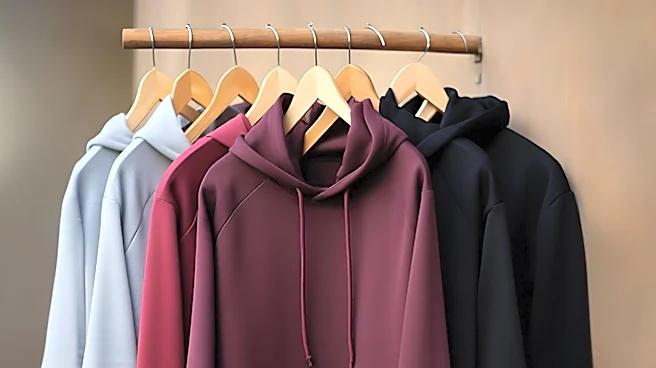
Zalando has launched its first pilot capsule collections, which incorporate next-generation materials derived from agricultural waste and worn-out polycotton. This initiative is a collaborative effort through the Fiber Club, where Zalando partnered with
textile recycler Circ® and agricultural innovator AltMat. The goal of these pilot collections is to test and integrate sustainable materials into mainstream fashion production. Next-gen materials currently constitute less than 1% of global fiber production, highlighting the nascent stage of this technology. The project aims to demonstrate the viability and scalability of using these innovative materials in real supply chains. The collections are now available on Zalando, marking a significant step in bringing these sustainable textiles to consumers.
Why It's Important?
This development is important for the U.S. fashion industry and its consumers as it signals a growing trend towards sustainability and circular economy principles. The introduction of clothing made from agricultural waste and recycled polycotton offers a potential solution to the environmental impact of traditional textile production, which is a significant contributor to waste and pollution. For U.S. businesses, this could mean new supply chain opportunities and a shift in consumer demand towards eco-friendly products. Consumers stand to gain access to more sustainable fashion choices, potentially influencing purchasing habits and encouraging other brands to adopt similar practices. The success of these pilot collections could pave the way for broader adoption of next-gen materials, reducing reliance on virgin resources and mitigating textile waste.
What's Next?
The launch of these pilot collections will likely be followed by an evaluation of consumer reception and the practicalities of scaling up production using these new materials. Success could lead to further investment in research and development for next-gen textiles, potentially expanding the range of sustainable materials available in the market. Other fashion retailers and brands in the U.S. and globally will be observing Zalando's progress, which could influence their own sustainability strategies. Continued collaboration between textile recyclers, agricultural innovators, and fashion companies will be crucial for overcoming challenges related to material sourcing, processing, and manufacturing at a larger scale. The long-term goal is to increase the market share of next-gen materials beyond the current 1%.
Beyond the Headlines
Beyond the immediate environmental benefits, this initiative touches upon broader ethical and economic implications. It highlights the potential for waste products to become valuable resources, fostering a more circular economy. This could create new industries and job opportunities in material science, recycling, and sustainable manufacturing. Furthermore, it challenges the traditional linear model of 'take-make-dispose' in fashion, promoting a more responsible approach to consumption and production. The adoption of such materials could also influence regulatory frameworks and industry standards, pushing for greater transparency and accountability in supply chains. Ultimately, it represents a cultural shift towards valuing sustainability as a core component of product design and consumer choice.