
What's Happening?
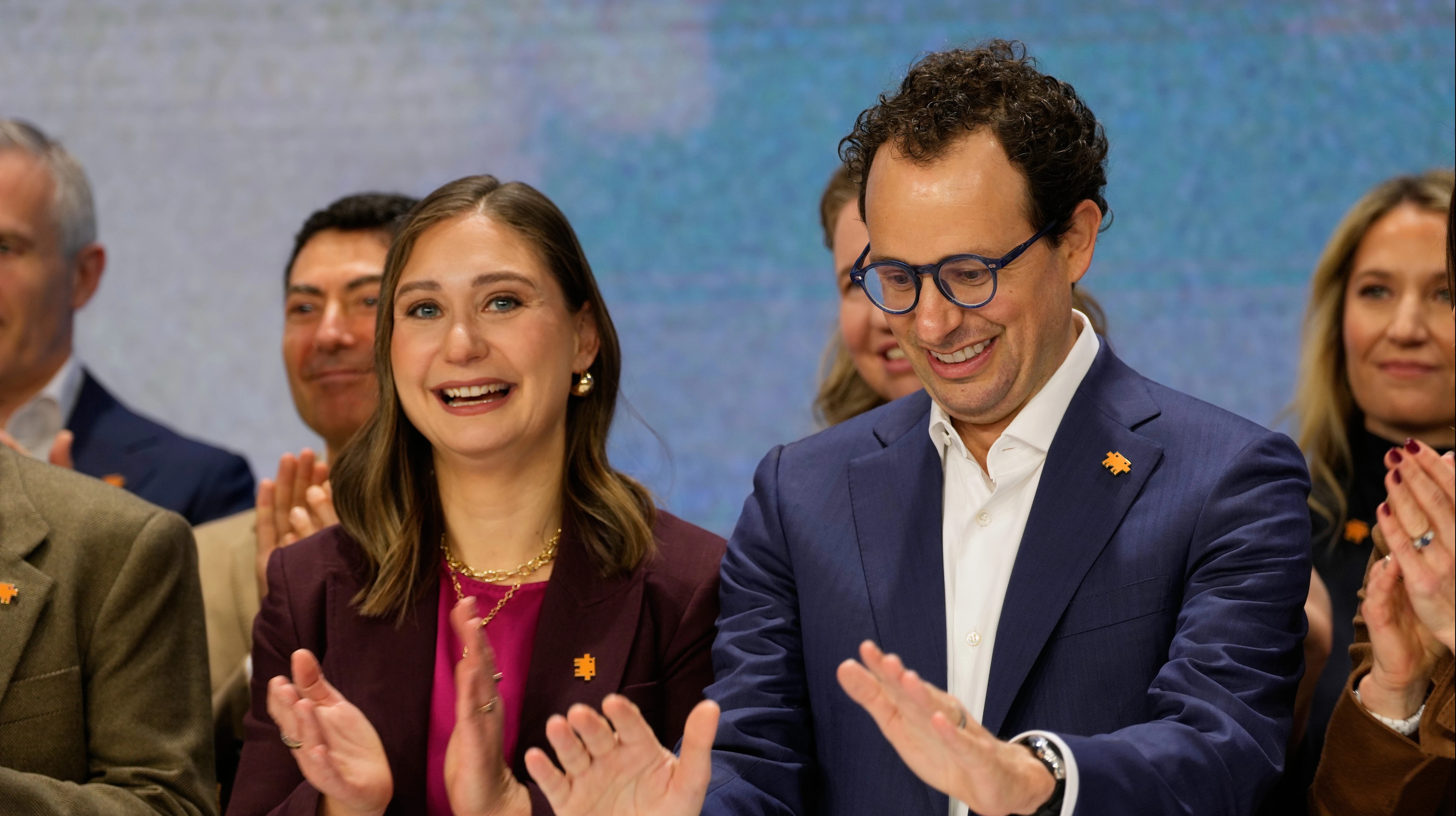
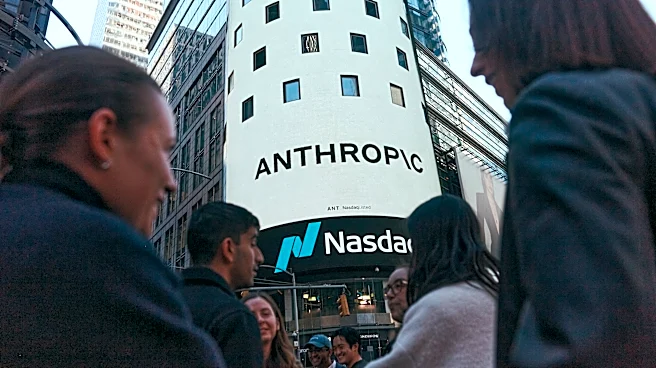
California-based artificial intelligence company Anthropic recently went public, resulting in at least seven of its co-founders becoming 'decabillionaires,' individuals with a net worth of at least $10
billion. The initial public offering saw investors purchase over $80 billion worth of Anthropic's new stock, valuing the company, founded less than six years ago, at approximately $1.5 trillion. This financial surge has also significantly increased the net worth of many Anthropic employees. However, amidst this boom, the California Legislative Analyst's Office (LAO) issued a warning, stating that the artificial intelligence market exhibits characteristics of a classic economic bubble. The LAO highlighted signs such as a rush to buy AI stocks, investors borrowing money to purchase these stocks, and prices becoming detached from underlying company fundamentals like profits. This situation mirrors past market frenzies, raising concerns about potential instability.
Why It's Important?
The LAO's warning about an AI bubble carries significant implications for California's state budget and the broader U.S. economy. California's tax structure heavily relies on income taxes from its wealthiest residents, particularly those whose wealth is tied to stock holdings. A potential market crash in the AI sector could severely jeopardize state revenues, impacting funding for critical public services such as education, public safety, and environmental protection. Furthermore, the LAO noted that many popular retirement mutual funds have substantial investments in AI-related companies, meaning a downturn could affect the 401(k)s of numerous Americans, even those not directly investing in AI stocks. This situation underscores the interconnectedness of the tech market with public finance and individual financial security, highlighting the potential for widespread economic repercussions if the AI boom proves to be unsustainable.
What's Next?
The immediate future will likely involve continued scrutiny of AI stock valuations and market behavior by financial analysts and government bodies. Investors may face increased volatility as market sentiment reacts to both the ongoing growth of AI companies and the warnings of a potential bubble. State budget officials in California will likely monitor the stock market closely, potentially adjusting revenue forecasts and budget plans based on market stability. There could also be increased calls for regulatory oversight or discussions about diversifying state revenue streams to reduce dependence on volatile stock market gains. Companies in the AI sector might face pressure to demonstrate stronger underlying profitability and sustainable business models to justify their high valuations, while individual investors may be advised to exercise caution and review their portfolio allocations in light of the LAO's concerns.
Beyond the Headlines
The emergence of 'decabillionaires' and the rapid valuation of AI companies like Anthropic highlight a significant shift in wealth concentration within the technology sector. This phenomenon raises broader societal questions about economic inequality and the distribution of wealth generated by technological advancements. The LAO's comparison to past bubbles, such as the 2007 real estate frenzy, suggests a recurring pattern of speculative investment driven by euphoria rather than fundamentals. This could lead to a re-evaluation of investment strategies and risk assessment models across financial institutions. Ethically, the rapid accumulation of wealth by a few, juxtaposed with potential risks to public services and retirement savings, could fuel debates about corporate responsibility, wealth taxation, and the role of government in regulating emerging industries to prevent systemic financial instability. The long-term implications could include a re-shaping of economic policy to address the challenges posed by highly concentrated, technology-driven wealth.