





What's Happening?
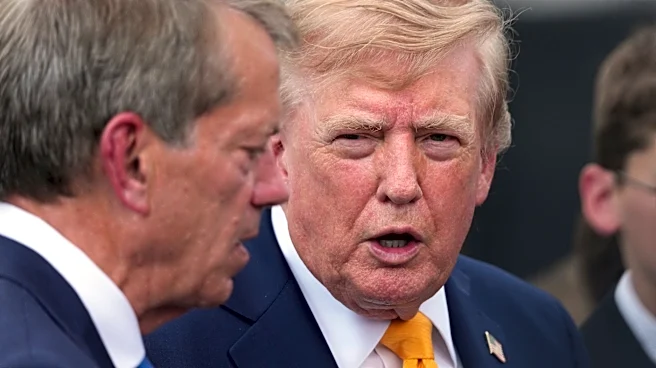
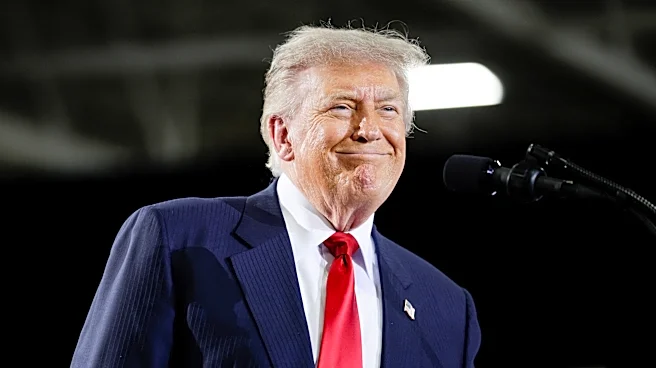
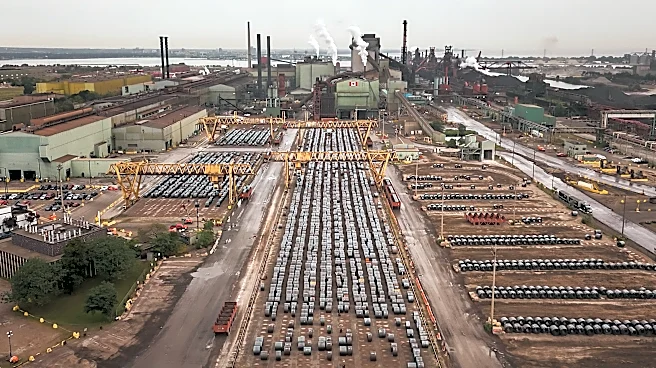
President Donald Trump announced on Monday his intention to impose a 50% tariff on Canadian automobiles, car parts, and steel starting in 2027. This threat comes as the trade dispute between the U.S. and Canada continues to escalate, following the collapse
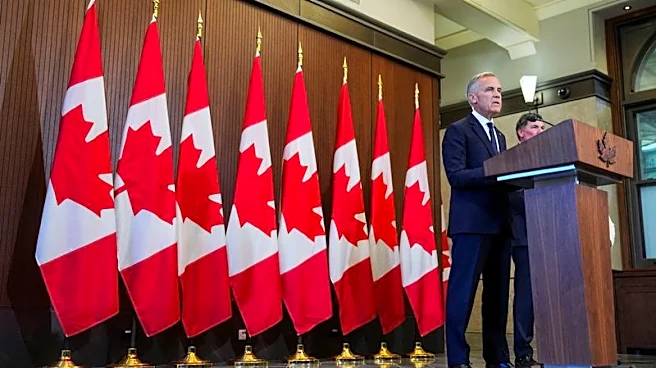
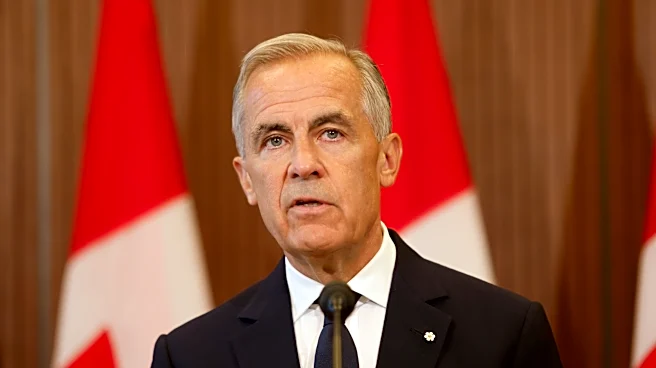
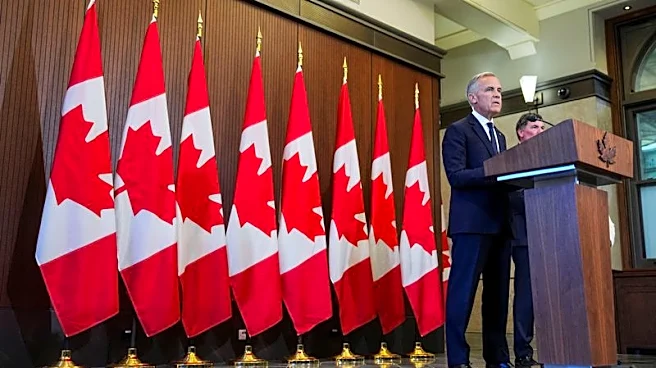
of trade talks last week. President Trump accused Ottawa of 'ripping off the United States of America for years' in a Truth Social post. Current U.S. tariff rates on non-U.S. content automobiles stand at 25%. The breakdown in negotiations led to the implementation of long-planned U.S. tariffs on various Canadian goods, prompting Canada to vow retaliatory measures. Canadian Prime Minister Mark Carney stated that Canada would match U.S. tariffs 'dollar for dollar' to protect its workers and businesses, with retaliatory tariffs targeting sectors such as steel, dairy, appliances, agricultural equipment, pulp and paper, and electronics. The Office of the United States Trade Representative described the failed talks as a 'missed opportunity' for Canada, citing new demands and walk-backs of commitments by Canada.
Why It's Important?
President Trump's threat of a 50% tariff on Canadian vehicles and steel signifies a significant escalation in trade tensions between two historically close economic partners. Such a substantial tariff increase could have profound impacts on the U.S. automotive industry, which relies heavily on integrated supply chains with Canada. American consumers could face higher prices for vehicles and related goods, while U.S. manufacturers might see increased production costs and reduced competitiveness. The retaliatory tariffs promised by Canada would further disrupt cross-border trade, affecting various U.S. industries, including agriculture, steel, and electronics. This trade war could lead to job losses in affected sectors, reduced economic growth, and increased uncertainty for businesses operating within North America. It also highlights President Trump's aggressive trade policy, which prioritizes domestic manufacturing and aims to address perceived unfair trade practices, potentially at the cost of international trade relations and consumer welfare.
What's Next?
The immediate future will likely involve Canada announcing its specific retaliatory tariffs against the U.S., further intensifying the trade dispute. The U.S. administration will need to decide whether to proceed with the threatened 50% tariffs, which could trigger a full-blown trade war. Businesses in both countries will be preparing for potential disruptions to supply chains and increased costs. Negotiations, if they resume, will be critical in de-escalating the situation, but the current rhetoric suggests a difficult path forward. The long-term implications could include a restructuring of North American supply chains, with companies seeking to reduce reliance on cross-border trade to avoid tariffs. This situation also sets a precedent for future trade negotiations, indicating a willingness by the U.S. to employ aggressive tariff measures to achieve its trade objectives, potentially influencing global trade dynamics.
Beyond the Headlines
This trade dispute extends beyond economic figures, touching upon the broader geopolitical relationship between the U.S. and Canada. President Trump's characterization of Canada as 'ripping off' the U.S. and his suggestion that Canada should become the '51st state' reflect a transactional approach to international relations that can strain long-standing alliances. The dispute highlights the challenges of maintaining free trade agreements when nationalistic economic policies are prioritized. It also raises questions about the effectiveness of tariffs as a tool for economic leverage, with critics arguing that they often harm domestic consumers and businesses more than they benefit them. The situation underscores the interconnectedness of the global economy and how protectionist measures in one country can trigger a cascade of reactions, leading to widespread economic and political instability. The long-term impact could be a redefinition of trade relationships and a shift towards more localized production, with significant consequences for global supply chains and international cooperation.