




What's Happening?
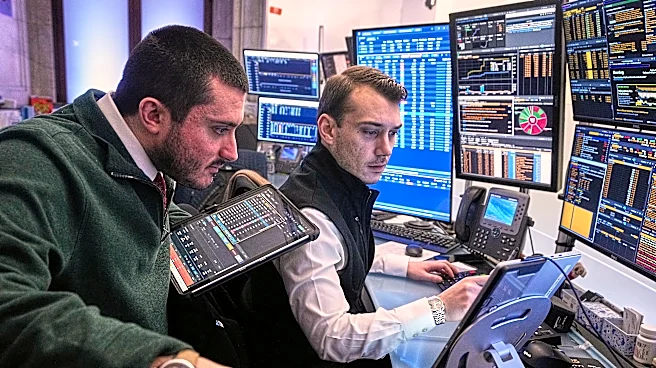
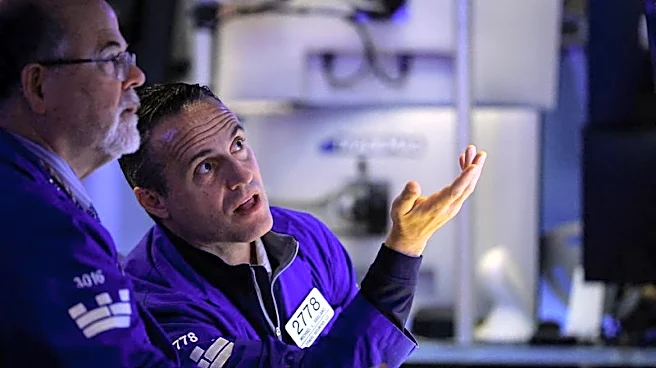
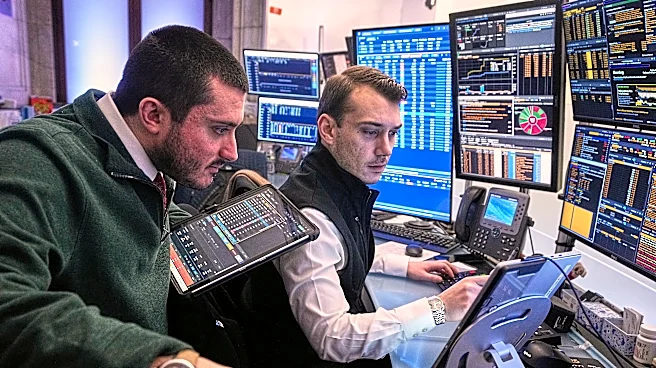
Global tech markets experienced a significant downturn on Friday, with stocks plunging across Asia and Europe, following a dramatic selloff in the U.S. This market rout was triggered by the success of anti-AI candidates in the recent U.S. midterm elections,
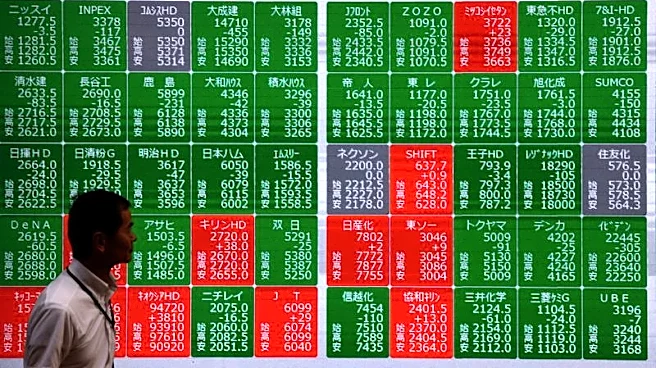
intensifying fears about the future of artificial intelligence development. The tech-focused Nasdaq 100 dropped 6.3% on Thursday, wiping out approximately $2.3 billion in market value, while the S&P 500 fell 4.4%, erasing $2.8 trillion. This marked the worst day for these indices in 18 months. The impact was felt globally, with Japan's Nikkei suffering its worst week since 2020, South Korea's Kospi index tumbling over 8%, and Taiwan's TAIEX index dropping 9%. European markets also opened lower, reflecting widespread investor concern. Analysts attribute the market's reaction to the perceived threat that a rise in anti-AI politicians, such as Gov.-elect Gina Hinojosa in Texas, could lead to increased scrutiny, delays, and costs for AI infrastructure projects.
Why It's Important?
The global market plunge underscores the significant influence of U.S. political developments on international economic stability, particularly within the technology sector. The success of anti-AI candidates in the U.S. midterms has introduced a new layer of uncertainty for investors, especially those heavily invested in the AI infrastructure cycle. Countries like Taiwan, South Korea, and Japan, which are critical manufacturers of hardware supporting America's AI ambitions, are particularly vulnerable to these shifts. The potential for increased regulatory scrutiny and potential delays in AI infrastructure projects could impact the profitability of these investments, leading to a reassessment of valuations for key AI companies. This situation highlights how political outcomes can directly affect market confidence and investment strategies on a global scale, with significant implications for tech companies and their supply chains worldwide.
What's Next?
The immediate aftermath of the midterm elections suggests continued volatility in tech markets as investors assess the long-term implications of a more critical stance towards AI development. The Democratic Congress may tighten scrutiny on the AI industry, potentially leading to new regulations or increased oversight on AI infrastructure projects. This could result in delays and additional costs for companies operating in this sector, impacting their profitability and growth projections. Stakeholders, including tech companies, investors, and policymakers, will be closely watching for any legislative actions or policy changes that emerge from the new political landscape. The market's reaction will likely depend on the clarity and severity of any proposed regulations, with further sell-offs possible if policies are perceived as overly restrictive or detrimental to innovation in AI.
Beyond the Headlines
This market reaction extends beyond immediate financial losses, signaling a potential shift in the broader societal and political discourse surrounding artificial intelligence. The rise of anti-AI sentiment among elected officials could reflect growing public concerns about the ethical implications, job displacement, and data privacy issues associated with AI. This development might trigger a more robust debate on the governance and responsible development of AI technologies, potentially leading to a re-evaluation of the industry's rapid expansion. The long-term implications could include a more cautious approach to AI investment, increased emphasis on ethical AI frameworks, and a greater focus on the societal impact of technological advancements. This could reshape the future trajectory of AI development, moving towards a more regulated and socially conscious industry.