






What's Happening?
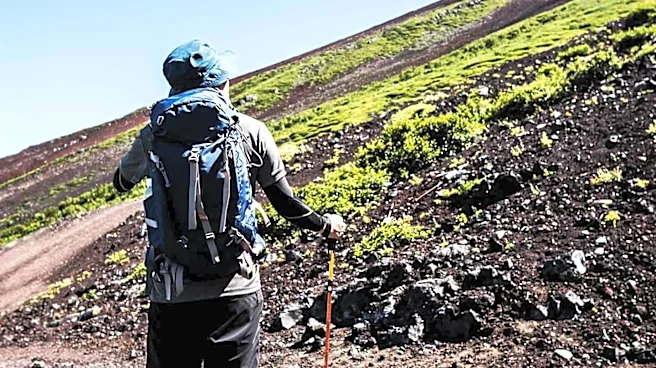
Hiking in Japan's mountainous regions, such as the Kita Alps and Kumano Kodo, presents unique challenges beyond the physical demands of walking. The country, with approximately three-quarters of its land being mountainous, offers serious alpine ranges
and extensive networks of staffed mountain huts. However, logistical complexities often catch hikers unprepared. These include bus timetables that change seasonally, hut bookings that are increasingly online and in Japanese, and narrow weather windows in the Japanese Alps that require serious attention. While waymarking is generally excellent, signage can be predominantly in Japanese on smaller routes. Hazards like serious summer thunderstorms, typhoon season, and volcanic activity can close routes with little notice. Bears are also a genuine consideration in Honshu and Hokkaido, leading many walkers to carry bells. Staying connected is crucial for accessing mountain weather forecasts, hut availability, bus times, route closures, and translation services, making a working phone essential for planning and safety.
Why It's Important?
For U.S. outdoor enthusiasts considering international hiking, understanding the specific logistical and safety requirements of Japanese mountain trails is crucial. This information highlights the need for thorough pre-trip planning, including data connectivity solutions like travel eSIMs, to navigate the unique challenges posed by language barriers, dynamic transportation schedules, and remote hut bookings. The emphasis on preparedness, from downloading offline maps to carrying power banks and understanding local emergency protocols, underscores a significant difference from typical U.S. hiking experiences where infrastructure and language might be less of a barrier. This also has implications for travel insurance providers, who may need to clarify coverage for mountaineering and hiking at altitude in regions where rescue costs can be substantial. For the U.S. travel industry, it suggests a niche market for specialized tour operators or guide services that can assist American hikers with these specific Japanese logistical hurdles, ensuring a safer and more enjoyable experience.
What's Next?
Hikers planning trips to Japan's mountain trails will need to prioritize detailed logistical planning, including securing reliable data connectivity before departure. This involves researching options like travel eSIMs that provide data on major Japanese networks (au, NTT docomo, Rakuten Mobile) and ensuring their handsets are unlocked. They should also be prepared for cash payments in rural areas and book mountain huts well in advance, especially for popular routes like the Kita Alps during summer. Consulting the Japan Meteorological Agency for weather forecasts, rather than general weather apps, will be critical, particularly during typhoon season. Furthermore, carrying a bear bell and understanding that mountain rescue can be charged to the individual will necessitate appropriate travel insurance that explicitly covers such activities. Tour operators specializing in Japanese hiking may see increased demand for services that manage these complexities, offering guided trips or comprehensive planning packages for international visitors.
Beyond the Headlines
The detailed account of hiking in Japan reveals a fascinating intersection of nature, culture, and technology. The reliance on mobile connectivity for safety and logistics in remote areas highlights how modern tools are becoming indispensable even in traditional outdoor pursuits. This also touches upon cultural nuances, such as the prevalence of staffed mountain huts and the serious approach to weather and wildlife, which differ significantly from many Western hiking cultures. The practice of carrying bear bells, for instance, is a direct response to local wildlife considerations, offering a glimpse into how different societies adapt to their natural environments. Furthermore, the potential for rescue costs to be charged to the individual underscores varying approaches to public safety and personal responsibility in outdoor recreation across different countries. This information encourages a deeper appreciation for the diverse ways people interact with and prepare for challenging natural landscapes globally.