







What's Happening?
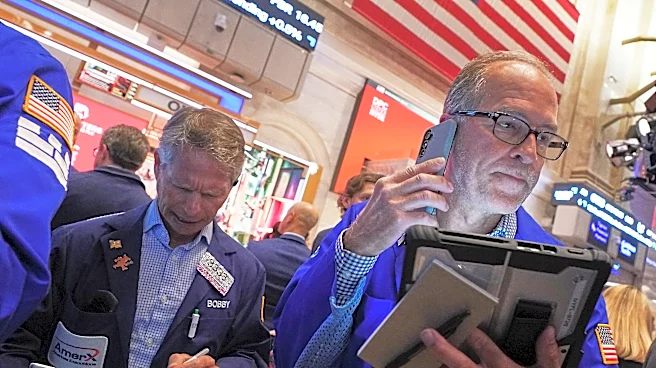
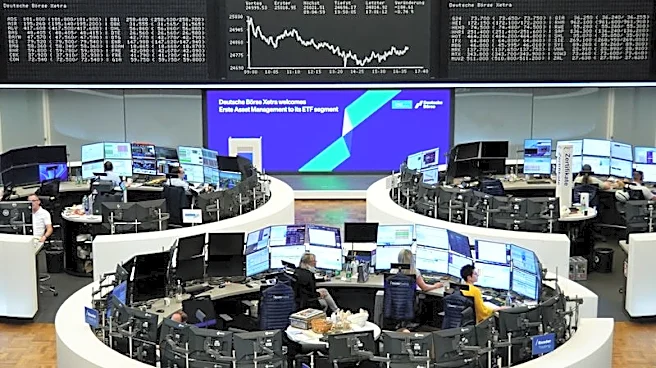
The recent market activity has been dominated by a significant rotation within the artificial intelligence (AI) sector, overshadowing a strong start to the second-quarter earnings season by major U.S. banks. Despite encouraging signs of easing inflation
from June's consumer and producer price reports, the focus shifted to the AI market. Investors moved away from semiconductor stocks towards hyperscalers, causing a downturn in the tech-heavy Nasdaq, which lost nearly 3% last week. IBM's pre-announcement of disappointing second-quarter results, attributed to a shift in corporate spending towards cybersecurity and AI, further influenced market dynamics. This shift benefited companies like CrowdStrike and Palo Alto Networks, which saw significant stock rallies. Meanwhile, traditional software companies like Salesforce experienced declines. The AI market's volatility was also marked by a sell-off in semiconductor stocks, despite positive updates from industry leaders like ASML and Taiwan Semiconductor.
Why It's Important?
This market rotation highlights the evolving landscape of corporate technology spending, with a growing emphasis on AI and cybersecurity. The shift away from traditional software and semiconductor investments towards AI infrastructure and security reflects changing priorities in enterprise technology budgets. This trend could have long-term implications for the tech industry, influencing investment strategies and corporate growth trajectories. The strong performance of major banks, despite being overshadowed, indicates resilience in capital markets and suggests potential stability in the financial sector. However, the volatility in the AI market underscores the challenges of navigating rapid technological advancements and market expectations. Investors and companies must adapt to these shifts to capitalize on emerging opportunities and mitigate risks associated with rapid technological change.
What's Next?
Looking ahead, the market will likely continue to monitor the impact of AI and cybersecurity spending on traditional tech sectors. The performance of major banks in the upcoming quarters will also be closely watched to assess the sustainability of their current momentum. Additionally, the potential for further geopolitical tensions, such as those between the U.S. and Iran, could influence market dynamics, particularly in the energy sector. Investors will need to stay vigilant to these developments and adjust their strategies accordingly. The ongoing evolution of AI technology and its integration into various industries will remain a key focus, with potential regulatory and ethical considerations emerging as critical factors in shaping the future landscape.