







What's Happening?
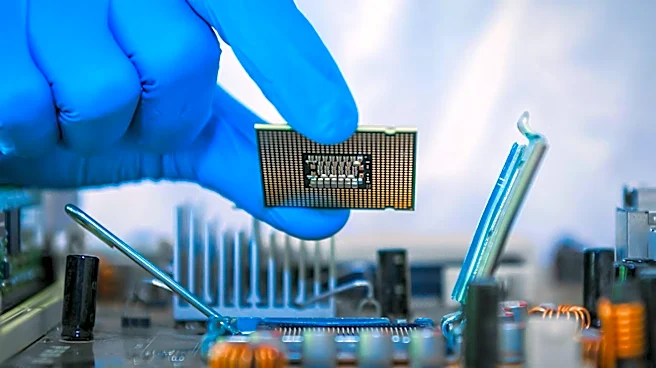
Valar Atomics, a nuclear start-up, has showcased its Ward 250 high-temperature gas-cooled nuclear microreactor by powering an Nvidia DGX Spark. This marks a significant collaboration between advanced nuclear technology and artificial intelligence, aimed
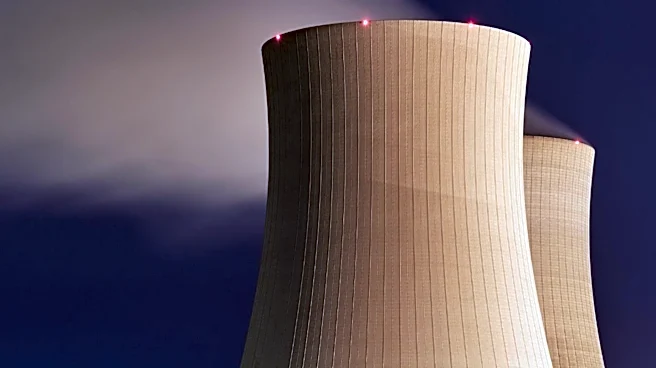
at addressing the growing energy demands of AI data centers. The Ward 250 reactor uses helium as a coolant, differing from traditional water-cooled reactors, and is designed to be more efficient and safer, though historically more costly to construct. Valar Atomics' demonstration highlights the potential of microreactors to provide localized power solutions, particularly for energy-intensive AI operations. Despite the innovative approach, the start-up has faced criticism for its marketing strategies and the energy consumption of its online demonstrations.
Why It's Important?
The demonstration by Valar Atomics underscores the increasing intersection of nuclear technology and AI, as data centers face rising energy demands. This development is crucial as it offers a potential solution to the energy consumption challenges posed by AI, which traditional energy sources struggle to meet. The use of microreactors could revolutionize how data centers are powered, reducing reliance on large-scale power plants and potentially lowering carbon emissions. However, the high costs associated with HTGRs and the need for expensive materials remain significant barriers to widespread adoption. The success of such technologies could influence future energy policies and investments in sustainable energy solutions.
What's Next?
Valar Atomics' initiative may prompt further exploration into the viability of microreactors for powering data centers and other localized applications. As AI continues to grow, the demand for efficient and sustainable energy solutions will likely increase, potentially leading to more collaborations between tech companies and nuclear start-ups. Regulatory bodies and energy stakeholders may need to address the challenges of scaling such technologies, including cost and safety concerns. The outcome of Valar Atomics' efforts could set a precedent for future energy innovations in the tech industry.