




What's Happening?
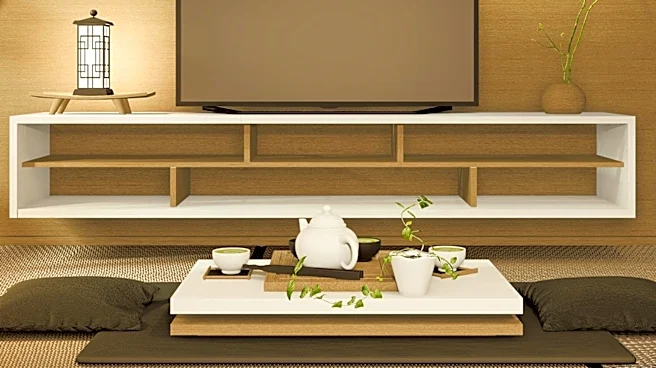
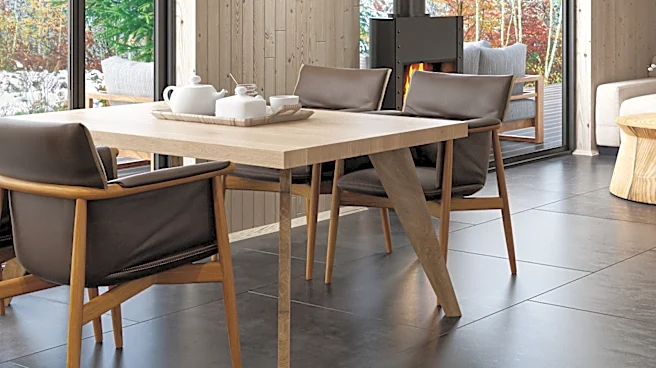
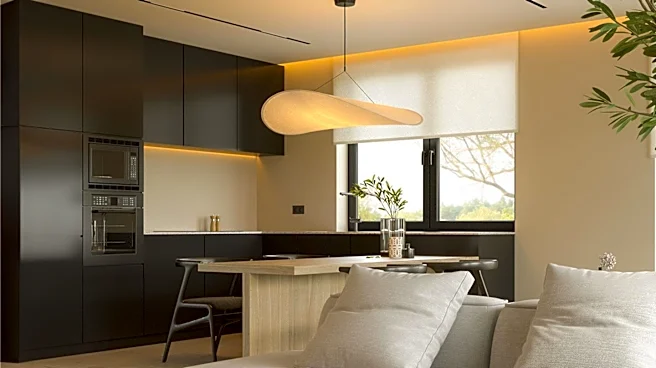
The Japandi style, a blend of Japanese and Scandinavian design principles, is emerging as a prominent trend in modern interior design. This aesthetic emphasizes minimalism, sophistication, and lightness, creating harmonious and elegant living spaces.
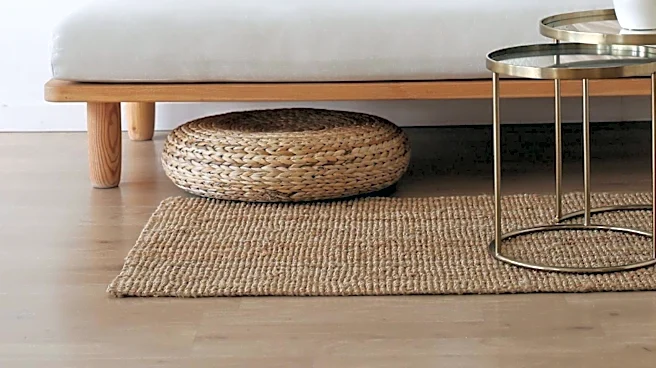
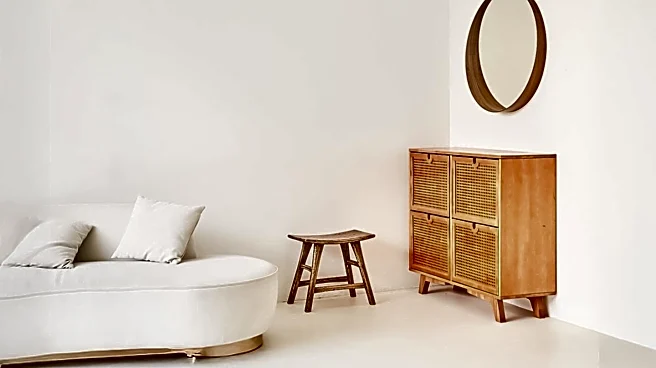
It is characterized by clean lines, restrained color palettes, and the integration of natural materials like wood. For instance, a family in the Waterpoint Nam Long urban area in Tay Ninh, Vietnam, adopted the Japandi style for their home to achieve a sense of lightness and balance after years in a cluttered environment. The design prioritizes functionality, natural light, and a neutral color scheme of ivory, beige, wood brown, and warm gray, with minimal decorative details. Architects note that the style requires high precision in execution, from proportions and materials to lighting, and stresses the importance of restraint, selectivity, and consistency to maintain its true spirit.
Why It's Important?
The growing popularity of the Japandi style reflects a broader societal shift towards seeking tranquility and balance in living environments, particularly in response to the stresses of modern life. This design philosophy offers a solution to the 'living problems' faced by many, transforming homes from mere dwelling places into spaces for energy restoration and emotional well-being. The emphasis on natural materials, soft lighting, and uncluttered layouts contributes to a calming atmosphere, which can positively impact mental states. For the interior design and home furnishing industries, this trend signifies a demand for functional, durable, and aesthetically restrained products. It also highlights a consumer preference for sustainable and environmentally friendly options, as seen in the increasing use of low-VOC paints and natural materials. This movement could influence urban planning and residential development, promoting designs that prioritize open spaces and natural light.
What's Next?
As the Japandi style continues to gain traction, it is expected to influence various sectors, including furniture manufacturing, architectural design, and real estate development. Homeowners and designers will likely continue to explore ways to integrate its core principles of restraint, selectivity, and consistency into their projects. The demand for natural wood, coarse fabrics like linen and cotton, and neutral-toned finishes is anticipated to rise. Furthermore, the focus on maximizing natural light and creating 'breathing space' within homes could lead to innovations in window design and spatial planning. Architects and builders will need to maintain high precision in construction to meet the exacting standards of this style. The trend may also encourage a more conscious approach to consumption, with a preference for carefully selected, long-lasting items over excessive decoration, potentially impacting retail strategies for home goods.
Beyond the Headlines
The Japandi style represents more than just an aesthetic preference; it embodies a conscious approach to living that prioritizes well-being and mindfulness. Its roots in Japanese design principles, such as the appreciation for imperfection and the concept of 'ma' (empty space), offer a deeper cultural dimension. This trend challenges the consumerist impulse to fill spaces with possessions, instead advocating for a curated environment where every item serves a purpose and contributes to a sense of calm. Ethically, the emphasis on natural and sustainable materials aligns with growing environmental consciousness. Culturally, it reflects a global convergence of design philosophies, demonstrating how different traditions can blend to create something new and universally appealing. The long-term impact could be a shift in how society perceives and values living spaces, moving towards environments that foster peace and intentionality rather than mere accumulation.