




What's Happening?
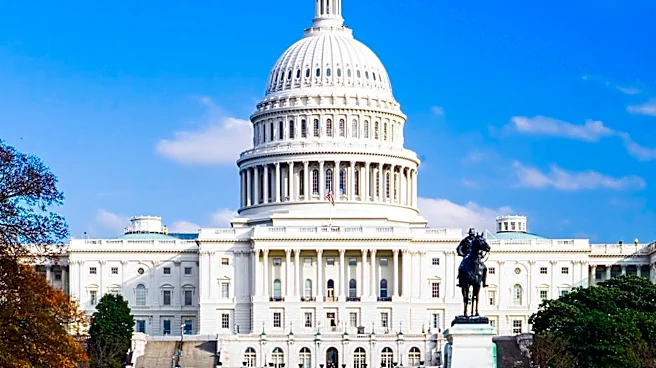
Washington D.C.'s housing market is experiencing a significant downturn, with nearly one in five homes listed for sale at a price lower than what the owner originally paid. This figure, 17.8%, is the highest in the nation, almost triple the national average
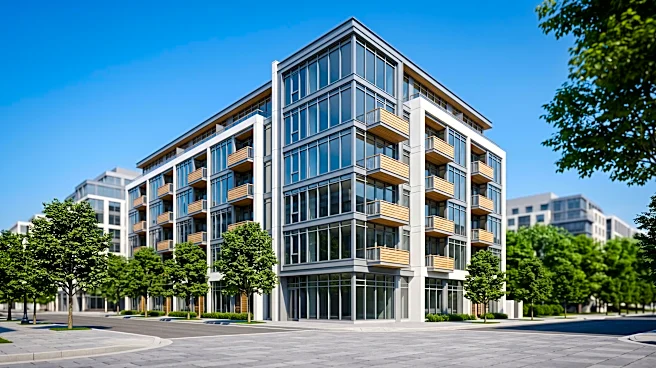
of 6.9%, according to new data from real estate analytics firm Parcl Labs. The District's home prices were down 1.6% year-over-year as of mid-August, underperforming both the broader D.C. metro area and the national market. Sales are approximately 45% below their 2021 peak. The hardest-hit areas are condo-heavy pockets in Downtown, Southwest, and Southeast Washington, with prices in some ZIP codes, like the Southwest Waterfront, plummeting 11.5% year-over-year. Entry-level condos and townhouses under $500,000 are particularly affected, with 45% of these listings experiencing price cuts and nearly 15% classified as 'fire-sale' listings. In contrast, luxury homes in Northwest neighborhoods like Foxhall and the Palisades have seen price increases.
Why It's Important?
This severe decline in the Washington D.C. housing market indicates a significant shift from a seller's to a buyer's market, driven primarily by weak demand rather than oversupply, unlike other markets. The high percentage of homes selling below their original purchase price reflects substantial financial losses for many homeowners in the nation's capital. This trend could impact local property tax revenues, the stability of mortgage-backed securities, and the overall economic health of the region. The disparity between the struggling entry-level and mid-market segments and the resilient luxury sector highlights growing economic inequality within the city. The reduced demand, coupled with high interest rates and uncertainty surrounding the federal workforce, suggests a prolonged period of adjustment for the D.C. real estate sector, potentially affecting consumer confidence and investment in the area.
What's Next?
The future of the D.C. housing market will likely depend on the interplay of supply and demand dynamics. While housing permits have significantly collapsed, reducing future supply, this may eventually provide a floor for beleaguered sellers. However, the current weak demand, influenced by high interest rates and federal workforce uncertainty, suggests that a rapid recovery is unlikely. Investors are already capitalizing on the downturn, increasing their share of home purchases from 12.3% to 19.2% this year, acquiring 1,121 properties through July. This influx of investor activity could stabilize prices in the long term but may also further price out individual buyers. The market will continue to see sellers competing for attention, with buyers retaining significant leverage. The performance of the federal workforce and broader economic conditions will be crucial in determining when demand might rebound.
Beyond the Headlines
The current state of the D.C. housing market reflects broader societal and economic shifts. The decline in demand, particularly in the entry-level and mid-market segments, could be indicative of changing demographics, evolving work patterns (such as remote work reducing the need to live in the capital), or a general disillusionment with urban living post-pandemic. The resilience of the luxury market, even amidst a general downturn, underscores the widening wealth gap and the continued investment by high-net-worth individuals in prime real estate. This situation could lead to a more bifurcated housing market, where affordable housing becomes increasingly scarce while high-end properties maintain their value. The increased investor activity also raises questions about housing accessibility and affordability for long-term residents, potentially transforming the character of D.C. neighborhoods as more properties shift from owner-occupied to investor-owned.