





What's Happening?
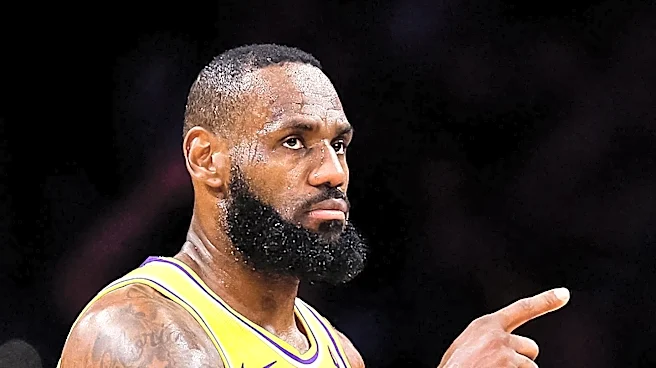
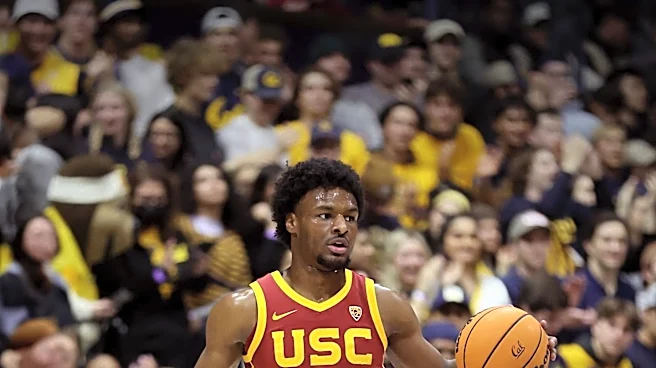
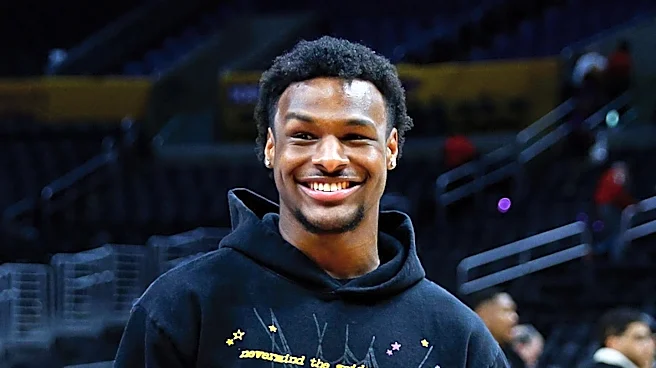
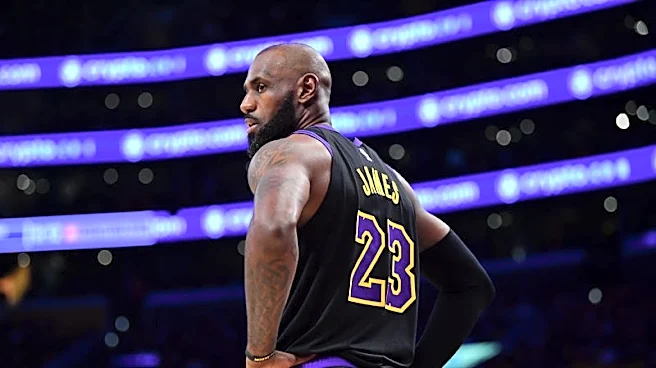
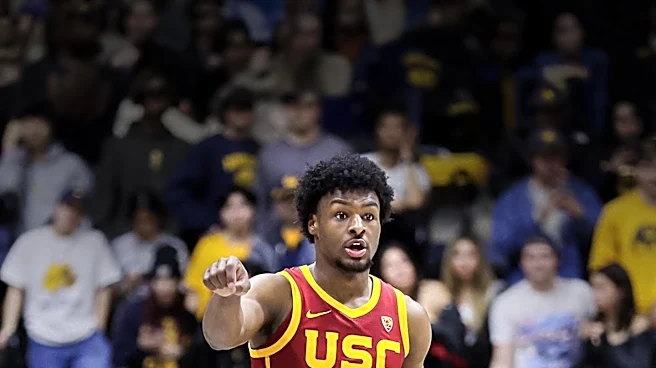
LeBron James, the NBA's all-time leading scorer, recently paid tribute to the University of Southern California (USC) staff members who played a crucial role in saving his son, Bronny James, after he suffered a sudden cardiac arrest nearly three years
ago. The incident occurred when Bronny was an 18-year-old freshman practicing with the USC basketball team. He was later diagnosed with a congenital heart defect but was able to resume his basketball career. LeBron expressed his gratitude during the Time 100 Sports gala in New York, emphasizing the importance of timely medical intervention. Bronny, who has since joined the Lakers, continues to play basketball, and LeBron highlighted the significance of having medical devices like defibrillators readily available in schools and sports facilities.
Why It's Important?
The acknowledgment by LeBron James underscores the critical role of immediate medical response in saving lives during cardiac emergencies, particularly in young athletes. This incident highlights the importance of having trained medical personnel and life-saving equipment, such as defibrillators, accessible in sports environments. The broader impact of this message could lead to increased advocacy for improved medical preparedness in schools and sports teams across the U.S., potentially influencing policy changes to ensure better safety measures for young athletes. LeBron's public platform brings significant attention to this issue, potentially driving awareness and action among parents, educators, and policymakers.
What's Next?
Following LeBron's remarks, there may be increased advocacy and initiatives aimed at enhancing medical preparedness in sports settings. Schools and sports organizations might review and improve their emergency response protocols, ensuring that staff are trained in CPR and that defibrillators are available and functional. Additionally, there could be discussions at the policy level to mandate such safety measures in educational and sports institutions. LeBron's influence could also inspire other athletes and public figures to join the cause, further amplifying the message and potentially leading to widespread changes in how cardiac emergencies are managed in youth sports.