






What's Happening?
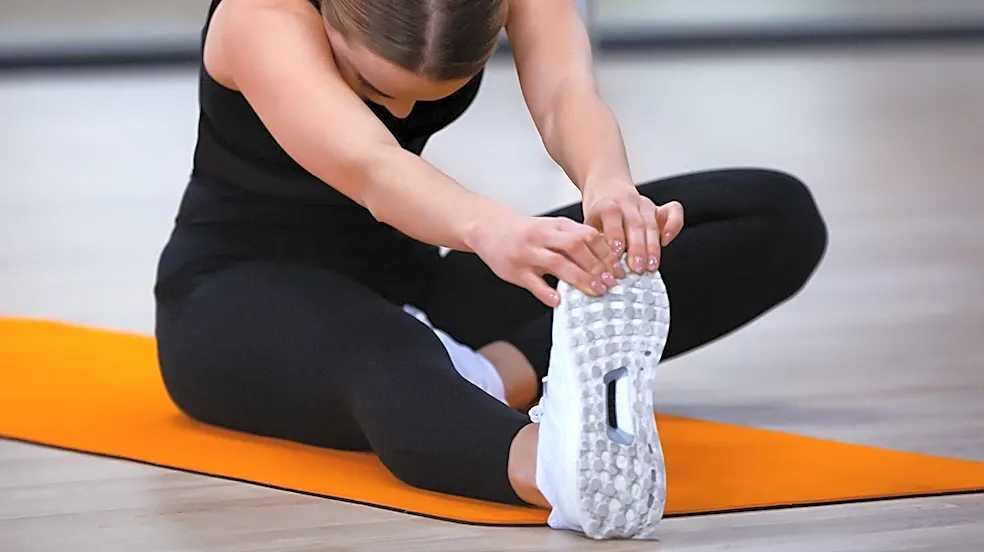
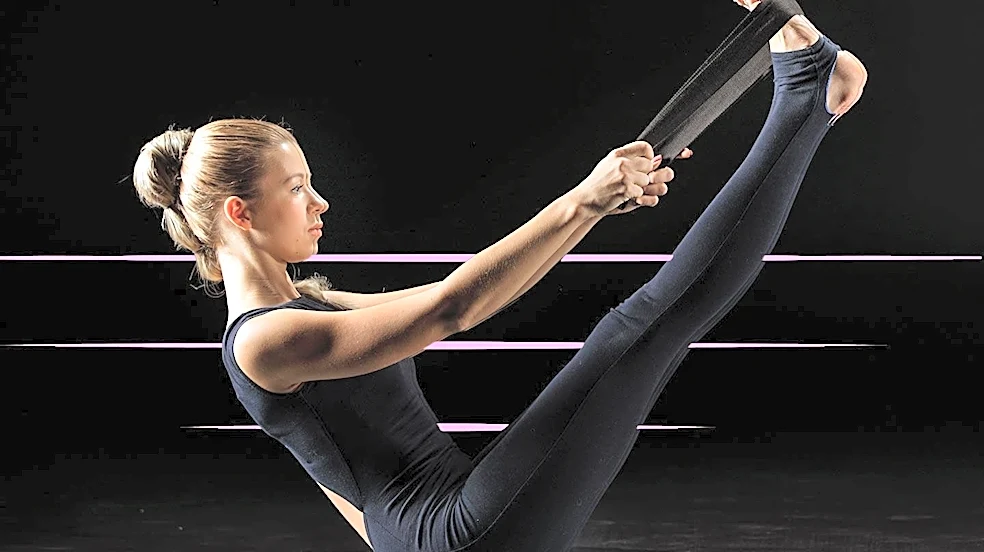
Assisted stretching is being highlighted as a structured method for gym users to enhance flexibility and mobility. This approach involves a therapist guiding individuals through stretches, adjusting movements based on comfort and feedback. Unlike general
warm-ups, which prepare the body for immediate workout demands, assisted stretching focuses on long-term flexibility development. It is presented as a complementary activity to regular training, helping individuals explore their comfortable range of movement. The process emphasizes setting specific goals, such as improving overhead reach or establishing a sustainable flexibility routine, rather than just aiming for general flexibility. Communication with the therapist is crucial, especially regarding existing injuries or discomfort, to ensure the session is beneficial and safe. The goal is to build a manageable routine that fits into an individual's weekly schedule and training priorities.
Why It's Important?
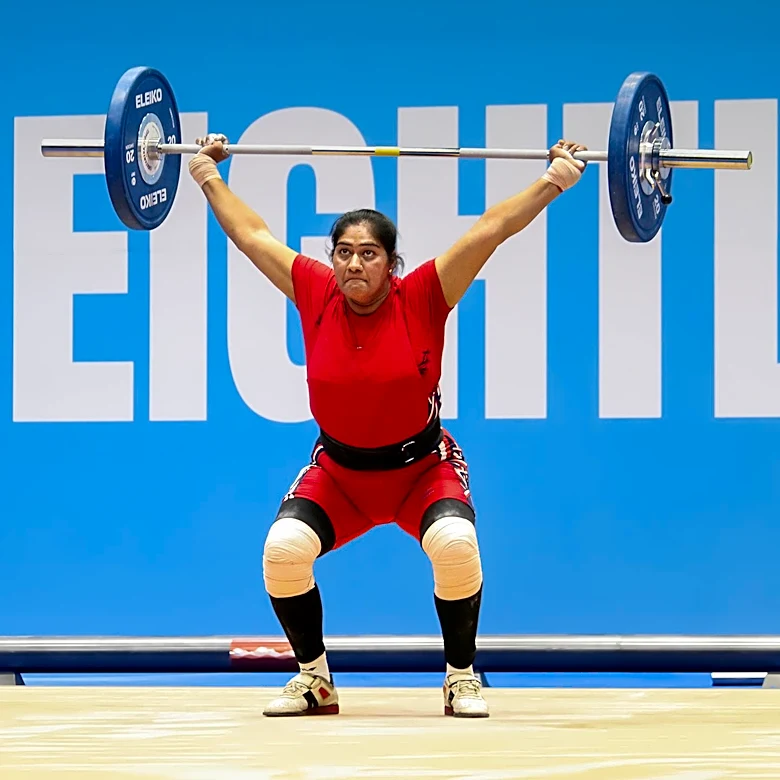
This structured approach to flexibility is important for gym users as it addresses a common oversight in many training programs: the lack of a dedicated plan for mobility. By offering guided sessions, assisted stretching can help prevent injuries, improve exercise technique, and enhance overall physical performance. It distinguishes between flexibility and strength, clarifying that while related, they serve different purposes in physical conditioning. This distinction is vital for gym users to understand that achieving a certain range of motion during a stretch does not automatically translate to being able to manage heavy loads in that same position. The emphasis on personalized, manageable routines encourages consistent practice, which is key to sustainable flexibility improvements, ultimately contributing to better long-term physical health and athletic longevity.
What's Next?
Individuals interested in improving their flexibility are encouraged to seek guided support, such as one-to-one assisted stretching sessions. The recommendation is to clearly communicate training activities and areas of restriction to the therapist. The focus will be on integrating flexibility work into existing training programs, ensuring that warm-ups remain specific to workouts while flexibility practice is treated as a separate, dedicated activity. Gym users are advised to build routines around appropriate warm-ups, progressive strength work, regular activity, and consistent flexibility practice. The aim is to make flexibility an integral, structured part of their overall fitness regimen, with ongoing feedback and adjustments to suit individual needs and evolving training goals.
Beyond the Headlines
The promotion of assisted stretching reflects a growing recognition within the fitness community of the importance of holistic physical development beyond just strength and cardiovascular training. It highlights a shift towards personalized and guided approaches to fitness, acknowledging that not all individuals can effectively develop flexibility on their own. This trend could lead to increased demand for specialized flexibility coaches and services, potentially creating new niches within the fitness industry. Furthermore, by emphasizing communication and individualized goals, it promotes a more mindful and body-aware approach to exercise, moving away from the 'no pain, no gain' mentality towards sustainable and injury-preventative practices. This could also influence how fitness professionals are trained, with a greater focus on mobility and flexibility assessment and programming.