



What's Happening?
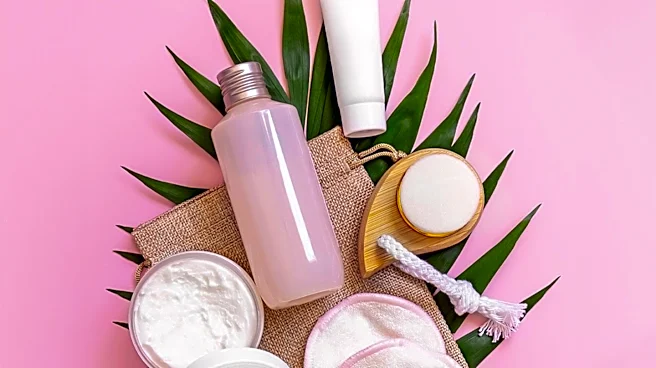
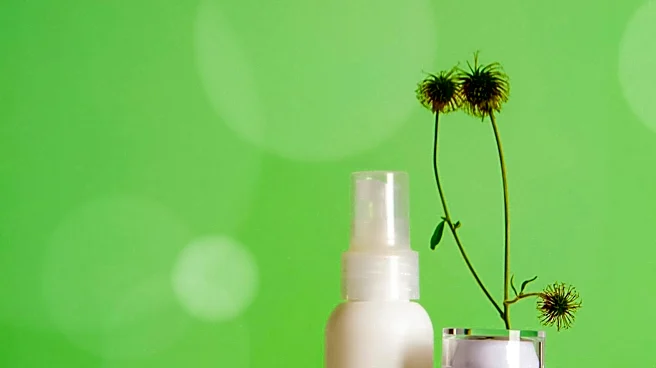
The 'clean beauty' movement in skincare is gaining traction, characterized by a focus on ingredient transparency and the avoidance of certain ingredients deemed unnecessary or harmful. Brands adopting this philosophy often extend their scrutiny to packaging,
prioritizing recycled content, certified paperboard, and non-toxic inks. While there isn't a universally accepted legal definition for 'clean beauty,' brands define it by the ingredients they choose to exclude. This approach is driven by increasing consumer demand for more information about the products they purchase, including details on sustainability, sourcing, and overall brand practices. The term 'toxin-free' is also used, often interchangeably with clean beauty, though it generally refers to avoiding ingredients a brand considers harmful. Both terms highlight a brand's commitment to specific ingredient standards rather than a regulated guarantee of product suitability for all skin types.
Why It's Important?
The rise of the clean beauty movement signifies a significant shift in consumer priorities within the U.S. beauty industry. Consumers are becoming more discerning, moving beyond traditional marketing claims to demand greater transparency and ethical considerations from brands. This trend impacts manufacturers, retailers, and ingredient suppliers, compelling them to re-evaluate their product formulations, sourcing methods, and packaging strategies. Brands that successfully communicate their commitment to clean beauty principles stand to gain a competitive advantage and foster greater consumer trust and loyalty. Conversely, companies that fail to adapt to these evolving expectations may face declining market share and reputational challenges. The emphasis on sustainability and non-toxic ingredients also has broader implications for environmental practices within the manufacturing sector and public health awareness regarding cosmetic ingredients.
What's Next?
The clean beauty movement is expected to continue evolving, with potential for increased standardization and regulation as consumer demand for clarity grows. Brands will likely invest further in research and development to find effective alternative ingredients and sustainable packaging solutions. Educational initiatives for consumers, detailing how to interpret ingredient lists and understand various certifications, may also become more prevalent. Industry associations could play a role in establishing clearer guidelines for 'clean' and 'toxin-free' claims to reduce ambiguity. Furthermore, the focus on ingredient transparency could lead to greater scrutiny of the entire supply chain, from raw material sourcing to manufacturing processes, pushing the industry towards more ethical and environmentally responsible practices across the board.
Beyond the Headlines
Beyond the immediate market implications, the clean beauty movement reflects a broader cultural shift towards conscious consumption and personal well-being. It encourages consumers to critically examine product labels and consider the long-term impacts of their choices on both their health and the environment. This movement also raises ethical questions about corporate responsibility and the role of marketing in shaping consumer perceptions. The lack of a standardized definition for 'clean beauty' highlights the challenges of regulating emerging consumer trends and the importance of individual brand integrity. Ultimately, it fosters a more informed and empowered consumer base, driving innovation and accountability within the beauty industry and potentially influencing other consumer goods sectors to adopt similar transparency and ethical standards.