




What's Happening?
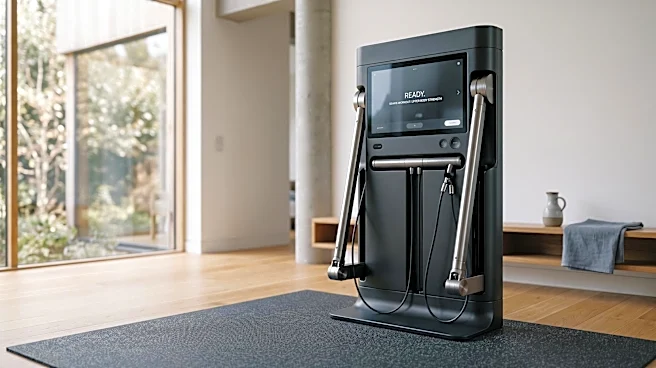
A new generation of fitness equipment, featuring digital resistance systems, is transforming strength training by offering an alternative to traditional weights. These systems allow users to electronically adjust workout intensity, follow guided programs,
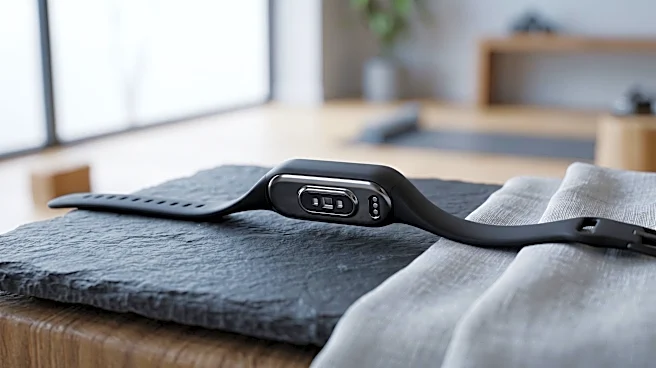
and monitor progress without the need for physical weight plates. This technological shift aligns with broader trends in the fitness industry, where digital tools are increasingly integrated into daily exercise routines. According to the American College of Sports Medicine’s 2027 Worldwide Fitness Trends report, wearable technology and mobile exercise apps remain leading trends, with traditional strength training and data-driven training technology also ranking high. The convenience of home workouts, accelerated by the COVID-19 pandemic, continues to drive interest in compact digital systems that can offer diverse resistance exercises through a single machine, often designed to blend seamlessly into home environments.
Why It's Important?
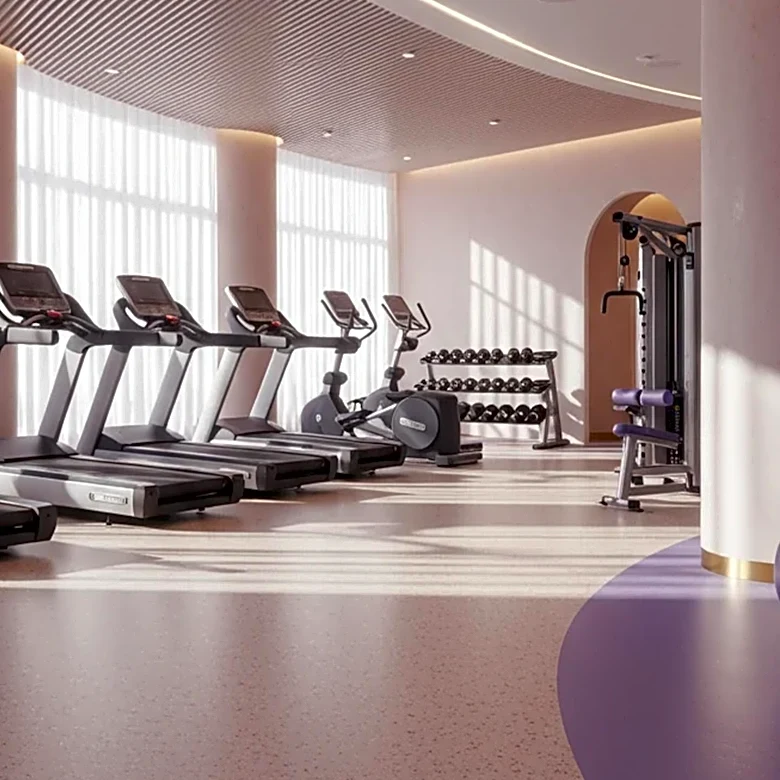
This evolution in fitness technology has significant implications for the U.S. health and wellness industry, offering new avenues for individuals to engage in strength training, which is increasingly recognized for its role in healthy aging and longevity. The accessibility and convenience of digital resistance systems can help overcome barriers to exercise, such as limited space or time, potentially leading to improved public health outcomes. For businesses in the fitness sector, this trend presents opportunities for innovation in product development, software integration, and personalized fitness solutions. It also challenges traditional gym models to adapt by incorporating technology or emphasizing community and professional instruction, as group fitness classes also remain popular. The focus on data-driven progress and customizable workouts caters to a growing consumer demand for personalized health experiences.
What's Next?
The market for digital resistance systems is expected to expand as manufacturers continue to design equipment that integrates advanced technology with user-friendly interfaces. This will likely lead to more sophisticated features, such as AI-powered personalized coaching, advanced biometric tracking, and immersive workout experiences. The trend also suggests a continued blurring of lines between home fitness and gym environments, with consumers seeking hybrid solutions that offer both flexibility and professional guidance. Companies like CapeTown Smart Fitness, which has introduced SPlan digital strength-training systems to the Israeli market, exemplify this shift towards compact, interactive, and aesthetically integrated fitness solutions for residential use. The ongoing challenge will be to ensure that these technological advancements translate into consistent and effective exercise habits for users, regardless of the equipment's digital sophistication.
Beyond the Headlines
The rise of digital weights and connected fitness equipment reflects a deeper cultural shift towards integrating technology into every aspect of daily life, including personal well-being. This trend raises questions about data privacy and security, as these systems collect extensive personal health and performance data. It also highlights the potential for technology to exacerbate or mitigate health disparities, depending on accessibility and affordability. Furthermore, the emphasis on 'smart' fitness could influence architectural design, with homes increasingly incorporating dedicated spaces or integrated solutions for exercise. Ultimately, this development is not just about new equipment but about a fundamental re-imagining of how individuals interact with their physical health, driven by convenience, personalization, and data-driven insights.