







What's Happening?
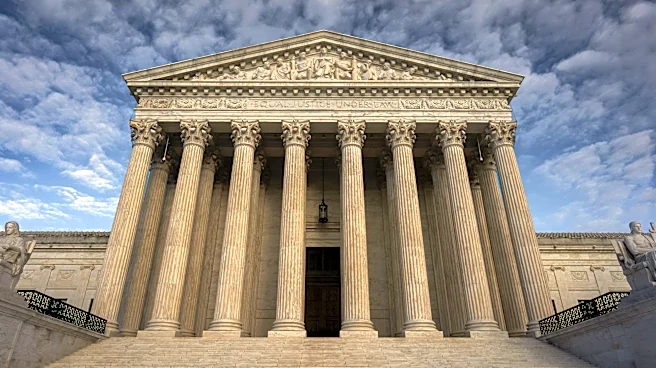
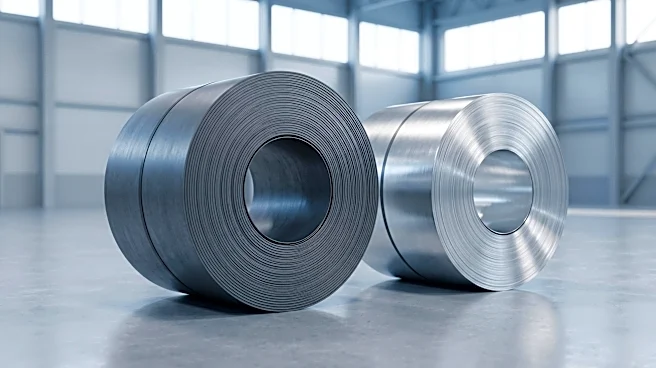
The U.S. Supreme Court's decision regarding tariffs imposed under the International Emergency Economic Powers Act (IEEPA) does not extend to tariffs on steel and aluminum. These specific tariffs, which include Section 232 tariffs on steel and aluminum and Section 301
tariffs on Chinese goods, are based on separate statutory authorities—the Trade Expansion Act and a third authority, respectively. Consequently, the Supreme Court's ruling, which invalidated IEEPA tariffs, does not generate refunds for duties collected on steel and aluminum imports. This distinction is crucial for companies assessing their total tariff exposure, as the refundable IEEPA portion is narrower than the overall tariff bill. For instance, companies like Campbell's and Stanley Black & Decker, which are steel-intensive, find that the IEEPA slice of their tariff exposure is significantly smaller than their total tariff obligations. The process of separating refundable duties from those that remain valid presents a complex factual challenge in ongoing legal cases.
Why It's Important?
This clarification is important for U.S. industries and economic stakeholders as it delineates which tariffs are subject to potential refunds and which are not. The continued validity of Section 232 tariffs on steel and aluminum means that these industries will not see a reduction in their import costs due to the Supreme Court's IEEPA ruling. This impacts pricing strategies, supply chain decisions, and overall competitiveness for manufacturers and consumers. Companies that have absorbed these costs or passed them on to consumers will not receive government refunds for these specific tariffs, unlike those affected by the invalidated IEEPA tariffs. The decision also highlights the varied legal bases for U.S. trade policy, indicating that different tariffs operate under distinct legal frameworks and are not uniformly affected by court rulings on one specific authority. This legal complexity can create uncertainty and necessitate careful analysis for businesses navigating the U.S. trade landscape.
What's Next?
The ongoing class action lawsuits related to tariff pass-through will continue to grapple with the distinction between refundable IEEPA tariffs and other tariffs, such as those on steel and aluminum. Companies will need to meticulously track and differentiate between these categories to determine their actual refundable amounts. The legal proceedings will likely focus on the evidentiary challenges of proving how much of a price increase was attributable to the now-invalidated IEEPA tariffs versus other standing duties. Furthermore, the U.S. steel wire market is projected to grow, driven by infrastructure spending and domestic manufacturing policies. The prevalence of Section 232 tariffs on imported wire rod is expected to continue, incentivizing U.S. mills to increase capacity. However, labor shortages in skilled wire drawing may temper this growth, potentially necessitating increased automation in manufacturing processes. The broader implications for trade policy and industry investment will depend on how these various tariff regimes are managed and enforced in the coming years.
Beyond the Headlines
The Supreme Court's nuanced ruling underscores the intricate nature of U.S. trade policy and its legal underpinnings. While the IEEPA decision offered a pathway for refunds on certain tariffs, it simultaneously affirmed the separate legal authority for other significant duties, such as those on steel and aluminum. This creates a multi-layered environment for businesses, where the impact of trade policies is not monolithic but rather dependent on the specific legal basis of each tariff. The ongoing legal battles over 'tariff pass-through' highlight a deeper ethical and economic question: who ultimately bears the cost of tariffs, and who should benefit from their invalidation? The distinction between the importer of record and the end consumer in the refund process raises questions about equitable distribution of economic impacts. This situation could also influence future legislative efforts to clarify or streamline the legal authorities under which tariffs can be imposed, aiming to reduce ambiguity and potential for prolonged litigation.