




What's Happening?
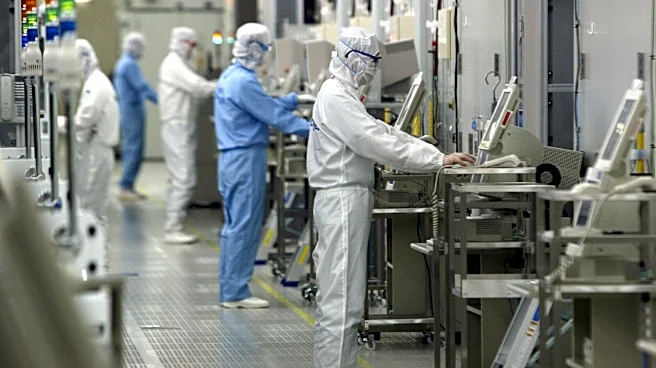
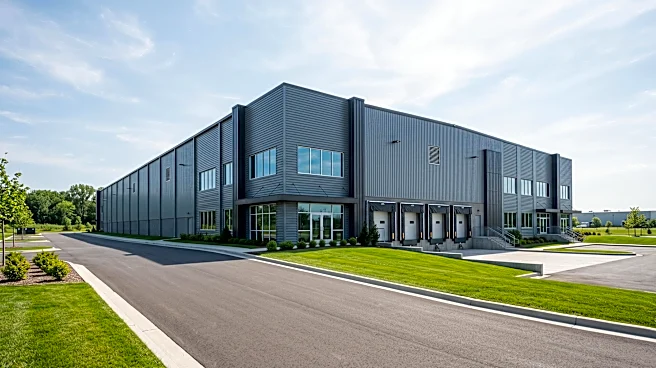
FAM STUMABO has significantly increased its production capacity for French fry blades, nearly doubling its manufacturing output. This expansion includes the establishment of a third production facility, which is now fully operational and dedicated to
expanded hydrocutting blade operations. The investment incorporates new automated and semi-automated equipment, aiming to enhance both production capacity and manufacturing flexibility. This strategic move is a direct response to the changing demands of potato processors, who require greater operational efficiency, consistent cutting quality, and increased product differentiation, particularly in the development of specialty French fry cuts. The company's expertise in precision blade manufacturing dates back to 1947, evolving with the food processing industry from canning to frozen foods and now to diverse cutting applications.
Why It's Important?
This expansion by FAM STUMABO is important for the U.S. food processing industry as it addresses critical needs for efficiency and innovation in French fry production. The demand for specialty French fry shapes and exclusive cuts is growing, creating new opportunities for product differentiation and higher-value offerings in the market. By increasing blade production capacity and flexibility, FAM STUMABO enables potato processors to meet these evolving consumer preferences. Furthermore, the focus on consistent cutting quality and optimal yield helps processors maximize raw material utilization, which is crucial for cost efficiency and sustainability. The availability of longer-lasting blades also reduces replacement frequency and operating costs, while reliable access to replacement blades minimizes downtime, ensuring continuous production for food manufacturers across the U.S. and globally.
What's Next?
The increased production capacity and technological advancements at FAM STUMABO's new facility are expected to support further innovation in the French fry industry. Processors will likely leverage the availability of advanced blades to introduce new product lines and unique cuts, catering to diverse consumer tastes. The company's investment in automated and semi-automated manufacturing suggests a continued push towards efficiency and precision, which could lead to more standardized and higher-quality French fry products. This development also implies a focus on strengthening supply chain reliability for essential processing equipment, potentially reducing lead times and improving operational stability for potato processors. Future developments may include further specialization in blade technology to support even more intricate and novel French fry designs.
Beyond the Headlines
The expansion highlights a broader trend in the food industry towards customization and efficiency, driven by consumer demand for variety and producers' need for cost-effective operations. The emphasis on 'product differentiation' suggests that even staple food items like French fries are subject to market pressures for innovation, moving beyond traditional offerings. This could lead to a more diverse range of French fry products available to consumers, impacting dietary trends and culinary experiences. The technological advancements in blade manufacturing also underscore the role of specialized equipment in shaping the capabilities and output of the food processing sector, often unseen by the end consumer but critical to the industry's evolution. This continuous refinement of processing tools reflects an ongoing effort to balance tradition with innovation in food production.