




What's Happening?
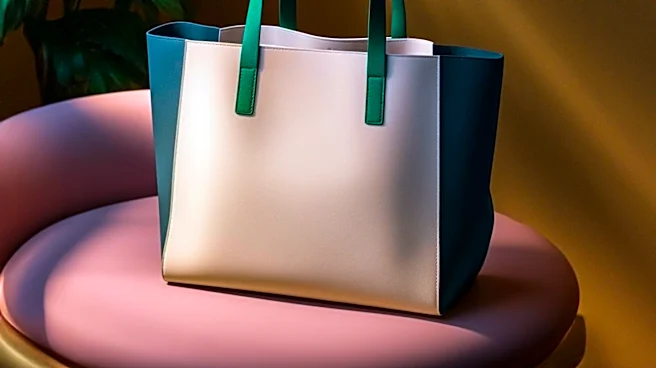
Luxury tote bags are gaining prominence for their combination of everyday functionality and timeless style. These bags are characterized by their craftsmanship, durability, versatile design, and elevated appearance. They are typically constructed from
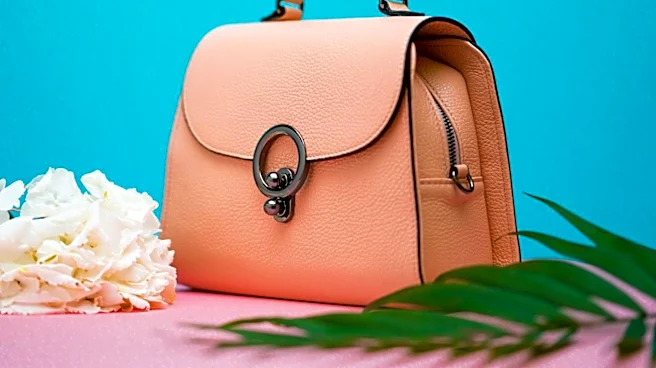
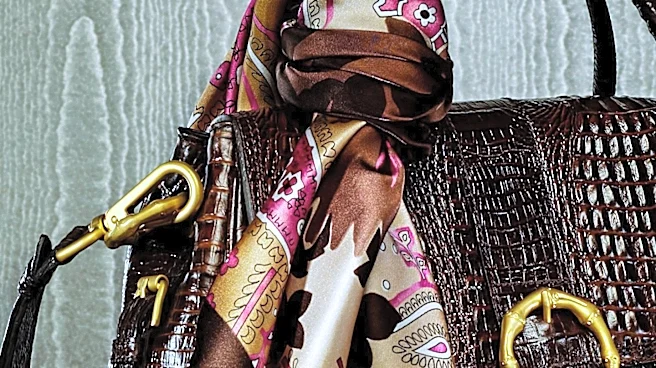
high-quality materials such as full-grain leather and canvas, and feature refined hardware. The interiors are often spacious and include multiple compartments for organization. The enduring appeal of these bags stems from their classic proportions, neutral color palettes, and understated branding, making them suitable for a wide range of occasions and personal styles. Additionally, a specific type of luxury women's handbag is noted for its practical elegance, featuring a polished, structured look with a refined front flap and metallic closure, available in various color options to enhance styling versatility. The emphasis is on authentic luxury bags, which are highlighted as providing better value due to their superior material quality, hardware construction, and brand reputation, in contrast to replicas.
Why It's Important?
The focus on luxury tote bags reflects a broader consumer trend towards investing in durable, high-quality accessories that offer both aesthetic appeal and practical utility. This shift impacts the fashion and retail industries by emphasizing craftsmanship and material integrity over fast fashion trends. For consumers, choosing authentic luxury bags over replicas signifies a preference for longevity and intrinsic value, potentially leading to more sustainable purchasing habits. The market for luxury goods, particularly in the U.S., is influenced by these preferences, driving brands to innovate in design and material sourcing while maintaining traditional standards of quality. This trend also highlights the economic importance of brand reputation and the perceived value of genuine luxury items, which can command higher price points and foster brand loyalty among discerning buyers.
What's Next?
The luxury bag market is likely to continue evolving with an emphasis on sustainable sourcing and ethical production practices, as consumers become more conscious of the environmental and social impact of their purchases. Brands may further integrate technology into their designs, such as enhanced security features or smart compartments, while still preserving the classic aesthetic. We can expect to see continued innovation in material science, with new durable and luxurious alternatives emerging. Furthermore, the distinction between authentic luxury and replicas will remain a critical point, potentially leading to increased efforts by luxury brands to protect their intellectual property and educate consumers on identifying genuine products. The market may also see a rise in personalized and customizable luxury bags, allowing consumers to further express their individual style while maintaining the high standards of luxury.
Beyond the Headlines
The enduring appeal of luxury tote bags extends beyond mere fashion; it touches upon cultural values of craftsmanship, heritage, and personal expression. In a society often driven by rapid consumption, the investment in a high-quality, durable luxury bag can be seen as a counter-narrative, promoting a sense of permanence and appreciation for well-made items. This trend also reflects a psychological aspect of consumer behavior, where owning an authentic luxury item can signify status, achievement, and a connection to a legacy of quality. The ethical implications of the luxury market, including labor practices and environmental footprint, are becoming increasingly scrutinized, pushing brands to not only deliver on aesthetics and quality but also on corporate social responsibility. The choice between authentic and replica bags also raises questions about intellectual property rights and the value placed on original design and innovation in a globalized market.