



What's Happening?
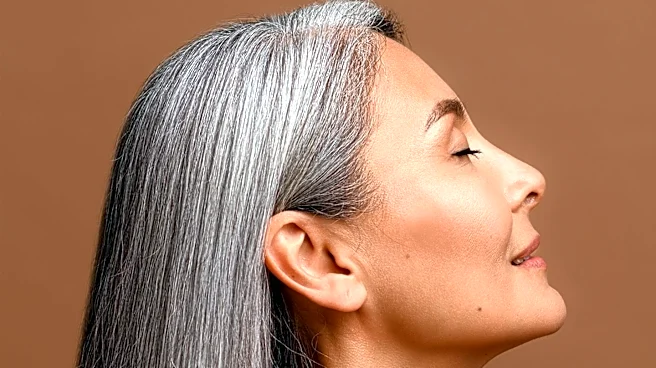
Hair care experts are providing advice on how individuals over 50 can restore shine to their hair, addressing common issues such as dullness, dryness, and brittleness. A survey by GenM and Schwarzkopf indicated that 35% of women aged 45 to 55 experience
hair thinning, 30% notice less shine, and 26% report increased brittleness, often linked to menopause. As people age, natural oil production on the scalp decreases, and the body produces fewer melanin-producing cells, leading to coarser, straw-like new growth. Years of heat damage also contribute to frizz. The recommended solutions include 'hair slugging,' which involves saturating hair with nourishing oil or conditioner overnight, using products containing red algae, incorporating hyaluronic acid into hair care routines, and rinsing with homemade rice water. Dr. Alan J. Bauman, a hair restoration surgeon, suggests choosing oils based on hair type, with lighter oils like marula or argan for fine hair, and heavier options like jojoba or grapeseed for coarser strands. He cautions against leaving heavy oils on the scalp overnight to prevent folliculitis. Michelle Seguin, MD, highlights red algae's ability to coat hair strands, seal in moisture, and protect against environmental damage, while cosmetic chemist Charlene Valledor recommends applying leave-in hyaluronic acid products to slightly damp, towel-dried hair for optimal absorption.
Why It's Important?
This information is important for a significant demographic in the U.S. as it addresses common hair concerns associated with aging, particularly for women experiencing hormonal changes like menopause. The advice offers accessible and often cost-effective solutions that can be implemented at home, reducing the need for expensive salon treatments. By providing practical tips on ingredients like red algae and hyaluronic acid, and techniques such as hair slugging and rice water rinses, the guidance empowers individuals to take control of their hair health. This can lead to improved self-esteem and confidence, as hair appearance often plays a role in personal well-being. The emphasis on understanding hair type and potential adverse reactions, such as folliculitis from heavy oils, promotes safer and more effective hair care practices. Furthermore, the discussion of new technologies, like infrared heat styling tools, highlights advancements in the beauty industry that cater to the specific needs of aging hair, offering less damaging alternatives for styling.
What's Next?
Individuals seeking to improve their hair's shine and health can begin by evaluating their current hair care routines and incorporating the suggested techniques and ingredients. This may involve purchasing specific oils, red algae-infused products, or hyaluronic acid treatments. Consumers might also consider making homemade rice water or investing in heat styling tools with infrared technology. Hair care professionals and product manufacturers are likely to continue developing and marketing products that target the specific needs of aging hair, potentially leading to a wider array of specialized shampoos, conditioners, and treatments. The ongoing research into ingredients like red algae and hyaluronic acid suggests a trend towards science-backed solutions in the beauty industry. Additionally, there may be an increased focus on educational content from experts, guiding consumers on how to best apply these methods and products to achieve desired results while avoiding potential pitfalls.
Beyond the Headlines
Beyond the immediate benefits of shinier hair, this trend reflects a broader societal shift towards embracing and addressing the visible signs of aging with proactive self-care. It underscores a growing market for beauty and wellness products tailored to older demographics, moving beyond traditional anti-aging narratives to focus on health and vitality at every stage of life. The integration of scientific research, such as lab studies on red algae and the understanding of hyaluronic acid's humectant properties, highlights a more informed and evidence-based approach to personal care. This also touches upon the 'skinification of hair,' where advanced skincare ingredients and philosophies are being applied to hair care, blurring the lines between the two industries. Ethically, it promotes a positive body image by offering solutions that enhance natural beauty rather than solely focusing on concealing age. Culturally, it contributes to a narrative where aging is not just about decline but also about maintaining and improving well-being through informed choices and accessible practices.