
What's Happening?
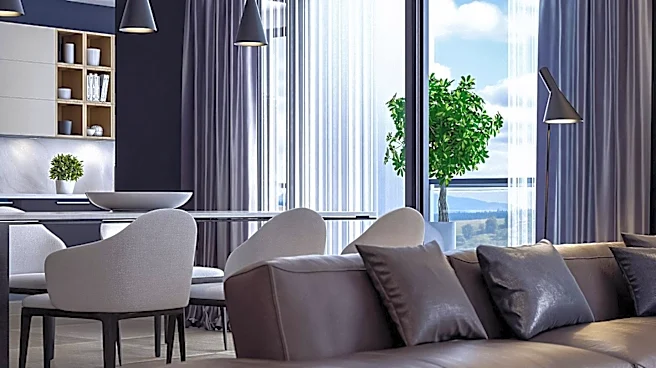
Puerto Rican rapper Bad Bunny's penthouse in West Chelsea's Jardim building is being highlighted for its cream-colored living room, which exemplifies the enduring appeal of neutral palettes in interior
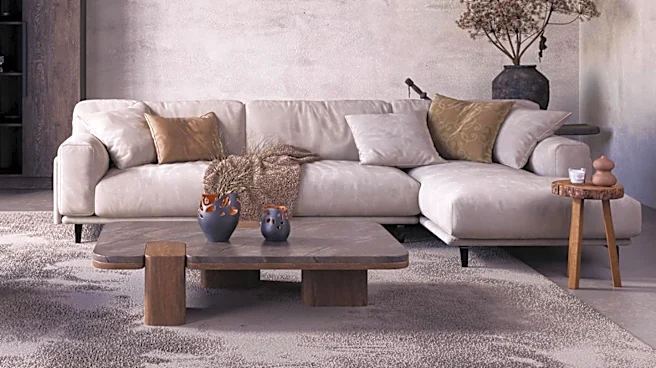
design. Despite annual predictions for bold color trends, Bad Bunny's space demonstrates how understated elegance and versatile tones can remain stylish across seasons. The design, within a contemporary building by Brazilian architect Isay Weinfeld, focuses on creating a cozy and sophisticated sanctuary. The approach involves layering minimalist cushions on a linen sofa and balancing contrasting textures, such as a marble coffee table with warm wooden accent chairs, to achieve an inviting, Japandi-inspired aesthetic. This styling prevents neutral rooms from appearing flat or cold, especially during cooler months, by incorporating natural warmth and visual interest through varied materials and thoughtful arrangements.
Why It's Important?
The emphasis on Bad Bunny's neutral living room underscores a significant trend in the U.S. interior design industry, moving towards timelessness and away from fleeting color trends. This shift impacts manufacturers of furniture, textiles, and home decor, who may prioritize production of neutral-toned items and versatile pieces. For consumers, it suggests a preference for long-lasting, adaptable home aesthetics that offer comfort and sophistication without frequent redecoration. Mimi Meacham, founder and principal designer at Marian Louise Design, notes that mastering the art of layering within a neutral palette is crucial for creating dynamic and welcoming spaces. This involves incorporating various textures through textiles, combining wall treatments like plaster or wallpaper with artwork, and selecting warm light fixtures and window treatments. This approach benefits designers and retailers who can market products that contribute to a layered, textured, and enduring neutral design, appealing to a broader market seeking both elegance and practicality.
What's Next?
The continued popularity of neutral interior design, as exemplified by Bad Bunny's home, suggests that design trends for 2027 and beyond will likely see a sustained focus on versatile, timeless palettes. Interior designers and home decor retailers are expected to further emphasize strategies for layering textures, incorporating diverse materials, and utilizing thoughtful accents to enhance neutral spaces. This could lead to an increased market demand for high-quality, durable furniture in neutral tones, as well as a wider array of textured textiles, unique lighting fixtures, and subtle decorative elements that add depth without overwhelming the serene aesthetic. Consumers may increasingly seek advice and products that help them achieve a sophisticated, long-lasting home environment, potentially influencing product development and marketing strategies across the home furnishings sector.
Beyond the Headlines
The enduring appeal of neutral design, as seen in Bad Bunny's home, reflects a broader cultural shift towards sustainability and mindful consumption in the U.S. Rather than constantly updating homes with trendy colors, consumers are increasingly investing in timeless pieces that offer longevity and adaptability. This approach not only reduces waste associated with frequent redecorating but also fosters a sense of calm and stability in living spaces, which can have psychological benefits. The 'Japandi-inspired aesthetic' mentioned, a blend of Japanese and Scandinavian design, highlights a growing appreciation for minimalism, functionality, and natural materials. This trend suggests a deeper desire for homes that serve as sanctuaries, promoting well-being and a connection to nature, rather than merely showcasing transient fashion. It also points to a more sophisticated consumer base that values quality and thoughtful design over fleeting fads.