


What's Happening?
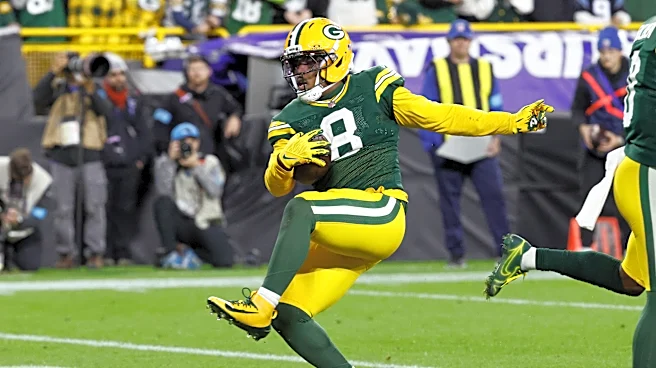
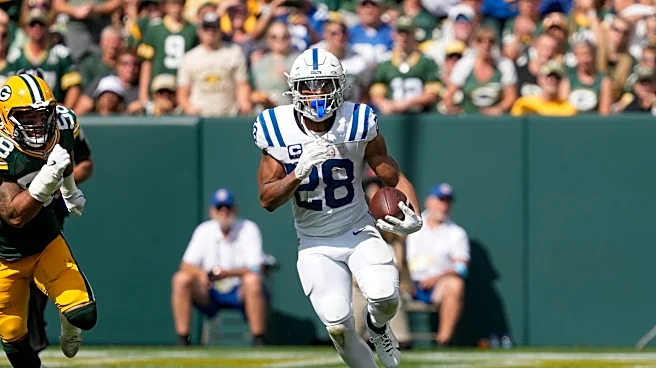
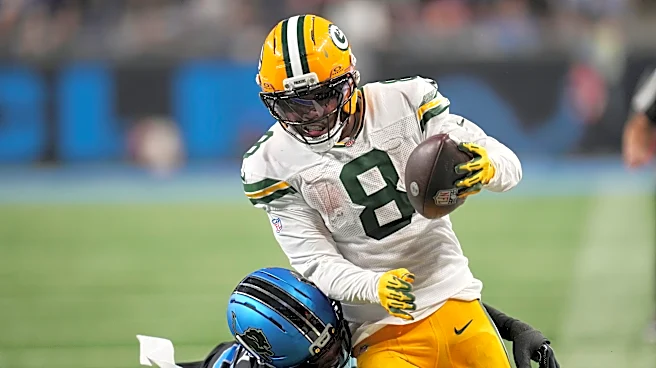
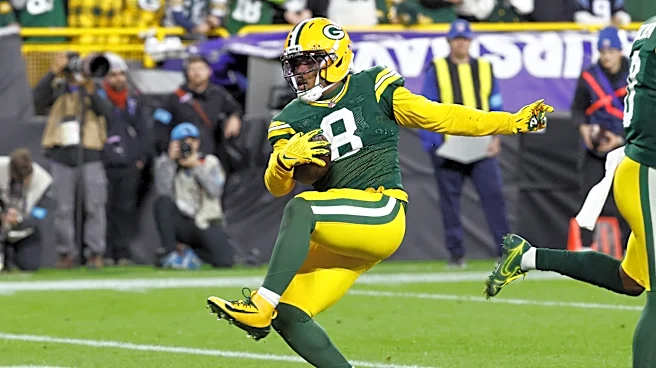
Terrence Parsons Jr., the brother of Green Bay Packers edge-rusher Micah Parsons, is facing significant backlash on social media for defending Packers running back Josh Jacobs. This controversy arose after newly released police records detailed three
additional women accusing Jacobs of abuse. Parsons Jr. posted on X, stating, 'Smear campaign on Jacobs man we gotta stop. No charges why is that coming out anonymously like that when he never got in trouble I don’t like that.' This is not the first time Parsons Jr. has defended Jacobs; he previously downplayed an earlier accusation as a 'shove' and argued for 'second chances.' The new allegations, which did not lead to charges, include claims of slapping, grabbing by the throat, pushing against a wall, dragging, and taking a phone, dating back to 2021 and 2022. Jacobs' attorneys have called these allegations 'uncorroborated, old, and previously unreported,' noting the Brown County District Attorney's office had them for months before a plea deal was reached on earlier charges. The NFL has stated it will review these allegations as part of an ongoing investigation.
Why It's Important?
This incident highlights the significant public scrutiny faced by professional athletes and their associates, particularly concerning allegations of domestic abuse. Terrence Parsons Jr.'s public defense of Josh Jacobs has drawn widespread criticism, demonstrating the strong societal condemnation of such actions and the expectation for accountability. The backlash underscores the impact of social media on public perception and the potential for comments from family members to reflect negatively on the athlete. For the Green Bay Packers, this situation creates a public relations challenge, as the team and its players may face increased media scrutiny and pressure regarding their stance on Jacobs. The NFL's ongoing investigation into these allegations indicates the league's commitment to addressing player conduct, which can result in disciplinary actions regardless of criminal charges. This event also brings to light the complexities of legal processes versus public opinion, especially when allegations are 'uncorroborated' but still carry significant weight in the court of public perception.
What's Next?
The NFL has confirmed it will review the new allegations against Josh Jacobs as part of its ongoing investigation. This review could lead to disciplinary action from the league, even if no criminal charges are filed. The Green Bay Packers will likely face continued media questioning regarding their handling of the situation and their players' comments. There will be pressure on the organization to issue a more definitive statement or take action, potentially including a suspension for Jacobs, as suggested by some commentators. The public and media will closely monitor the NFL's investigation and any subsequent decisions made by the league or the Packers. This situation could also influence future team decisions regarding player acquisitions and conduct policies, emphasizing the importance of thorough vetting and clear communication in response to serious allegations.
Beyond the Headlines
The controversy surrounding Terrence Parsons Jr.'s comments and the allegations against Josh Jacobs delves into broader ethical and cultural dimensions. It raises questions about the responsibility of public figures and their families in addressing sensitive issues like domestic abuse. The immediate and strong public reaction on social media reflects a growing intolerance for perceived victim-blaming or downplaying of abuse allegations. This incident also highlights the challenges faced by sports organizations in navigating player conduct issues, balancing legal due process with public expectations and moral obligations. The distinction between legal charges and credible allegations, and how both are handled by the league and teams, is a recurring theme. Furthermore, the situation underscores the power of social media in shaping narratives and holding individuals accountable, even when formal legal processes may not result in charges. It serves as a reminder of the profound impact such controversies can have on an athlete's career and a team's reputation.