








What's Happening?
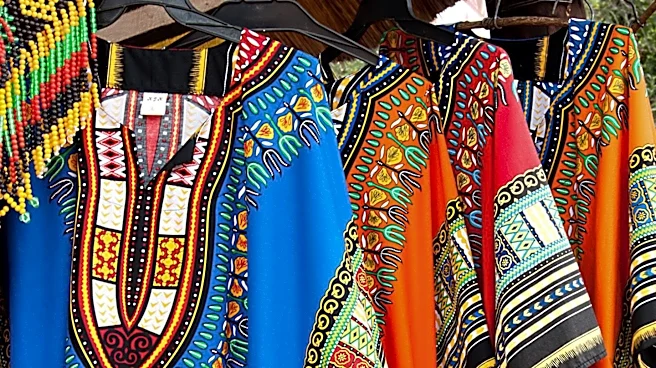
As the global appetite for African fashion grows, designers are facing challenges in pricing their products competitively for both local and international markets. African fashion experts suggest adopting a dynamic pricing strategy to cater to diverse
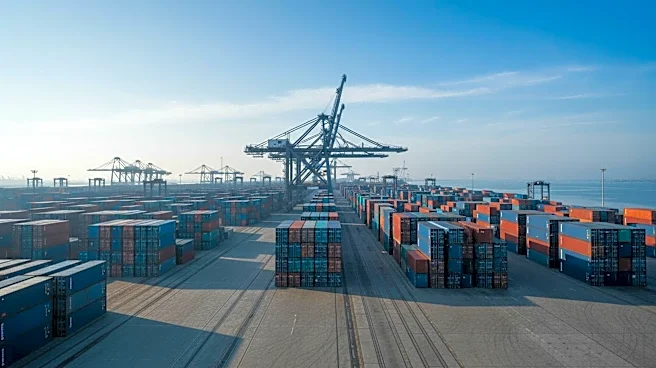
consumer bases. This involves setting competitive prices internationally while maintaining affordability for local consumers, who may have less purchasing power. Factors such as infrastructural shortcomings, shipping costs, and unreliable power supply in countries like Nigeria, Ghana, and South Africa contribute to the complexity of pricing strategies. Despite these challenges, African designers are gaining international attention through events like Lagos Fashion Week and collaborations with major brands such as Nike.
Why It's Important?
The expansion of African fashion brands into international markets highlights the growing influence of African culture and creativity on the global stage. Successfully navigating pricing strategies is crucial for these brands to remain competitive and sustainable. The ability to balance local affordability with international competitiveness can determine the long-term success of these brands. Additionally, overcoming logistical and infrastructural challenges can pave the way for increased intra-African trade, potentially boosting the continent's economic growth. The international recognition of African fashion also promotes cultural exchange and diversity in the global fashion industry.
What's Next?
African fashion brands are likely to continue exploring innovative pricing strategies and partnerships to enhance their global presence. As they expand, these brands may seek to address infrastructural challenges by investing in local production capabilities and forming strategic alliances. The ongoing development of the African Continental Free Trade Area (AfCFTA) could facilitate easier trade within the continent, potentially reducing costs and improving market access. Additionally, continued participation in international fashion events and collaborations with global brands will likely enhance the visibility and appeal of African fashion on the world stage.