
What's Happening?
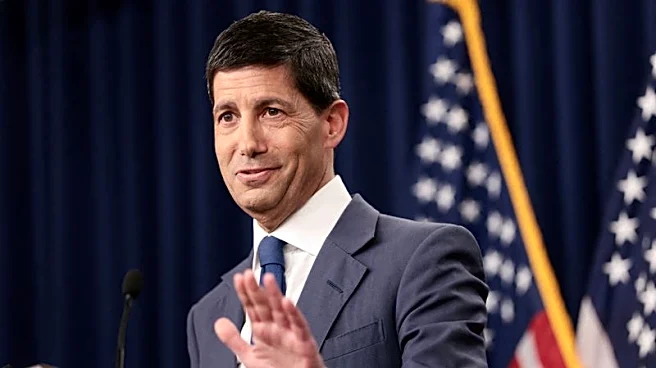
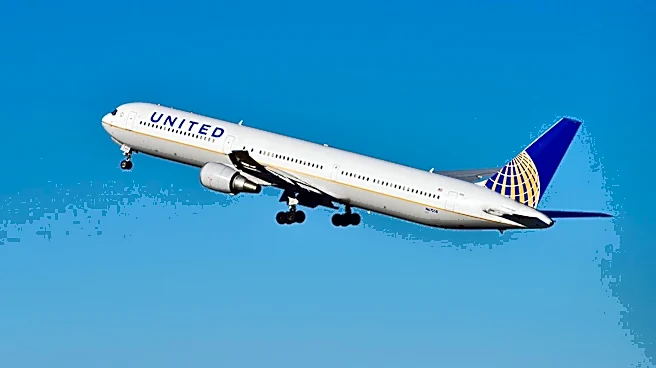
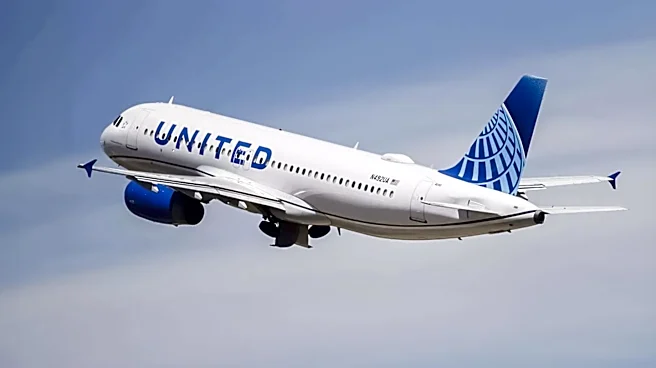
United Airlines CEO Scott Kirby announced that airfares are expected to continue rising gradually into the first half of 2027, though at a slower pace than the increases seen in the current year. According to Reuters, Kirby made these remarks in Newark,
New Jersey, emphasizing that travel demand remains robust across all business segments, with no signs of softening despite geopolitical tensions or an unusually hot summer in Europe. U.S. airline fares had previously shown a significant year-over-year increase of 25.5% in July, and averaged close to 25% above prior-year levels from April through July. Despite these increases, Kirby noted that inflation-adjusted fares are still approximately 13% below pre-pandemic levels. He anticipates that fares will gradually return to what he described as 'normalized levels,' enabling airlines to achieve sufficient profitability for reinvestment. Furthermore, Kirby expects United to recover all higher fuel costs in the fourth quarter of 2026, even with jet fuel prices near $4 a gallon, attributing this to the strong demand.
Why It's Important?
The projected continued rise in airfares by United Airlines, a major U.S. carrier, signals a significant shift in the airline industry's economic landscape. This trend suggests that consumers will likely face higher travel costs for the foreseeable future, impacting personal travel budgets and potentially influencing business travel decisions. For the airline industry, these increases are crucial for achieving sustainable profitability, especially as they aim to recover from the financial strains of the pandemic and manage elevated operational costs, such as fuel. The ability to pass on higher fuel expenses to consumers, as Kirby indicated, is vital for maintaining financial health and investing in fleet modernization and service improvements. This also implies a sustained period of strong consumer demand for air travel, which could benefit related sectors like tourism and hospitality. However, a continuous upward trend in fares, even if gradual, might eventually lead to a plateau or slight decrease in demand if it outpaces consumers' willingness or ability to pay, creating a delicate balance for airlines to manage.
What's Next?
United Airlines is poised to continue monitoring travel demand and fuel costs closely as it navigates the projected gradual increase in airfares. The airline's strategy will likely involve balancing fare adjustments with maintaining strong customer demand, potentially through targeted promotions or loyalty programs. The recovery of higher fuel expenses by the fourth quarter of 2026, as anticipated by CEO Kirby, will be a key financial indicator for the company. This financial stability could enable further investments in fleet expansion and route development, as evidenced by United's recent announcement of its largest international expansion. Competitors in the U.S. airline market will also be observing United's pricing strategies and demand trends, which could influence their own fare adjustments and capacity planning. Consumers should expect to see airfares remain elevated, making early booking and flexibility in travel dates potentially more advantageous to secure better rates.
Beyond the Headlines
The sustained strength in air travel demand, despite rising costs and global uncertainties, points to a deeper societal value placed on travel and experiences. This trend suggests a post-pandemic prioritization of leisure and connection, where consumers are willing to allocate a larger portion of their discretionary income to travel. The airline industry's move towards 'normalized fare levels' also highlights a recalibration of the economic model, where the era of ultra-low fares might be receding. This could lead to a more stable, albeit more expensive, travel environment, potentially fostering greater investment in passenger experience and sustainability initiatives by airlines. The emphasis on profitability for reinvestment could also drive innovation in aircraft technology and operational efficiency. However, it also raises questions about accessibility for budget-conscious travelers, potentially creating a more stratified travel market where air travel becomes less affordable for some segments of the population.