






What's Happening?
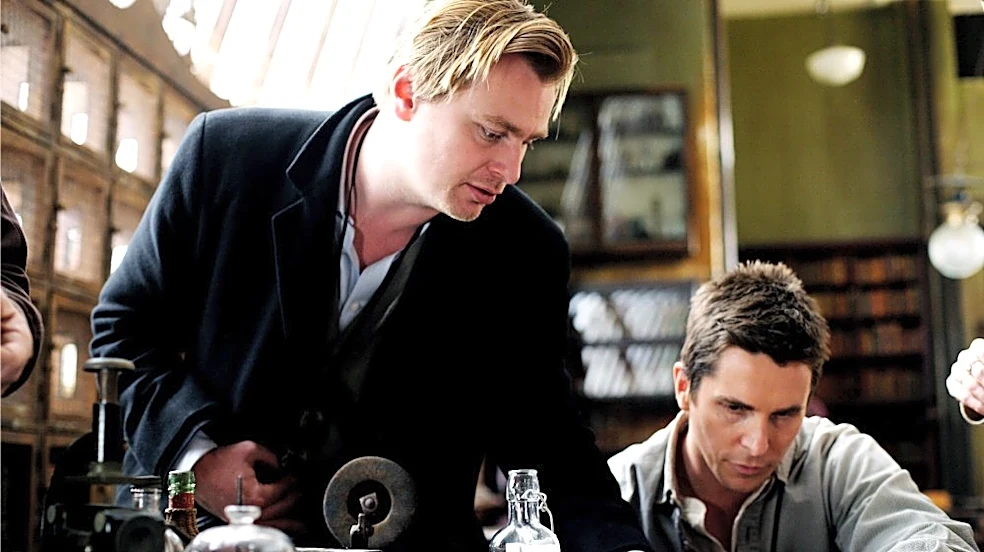
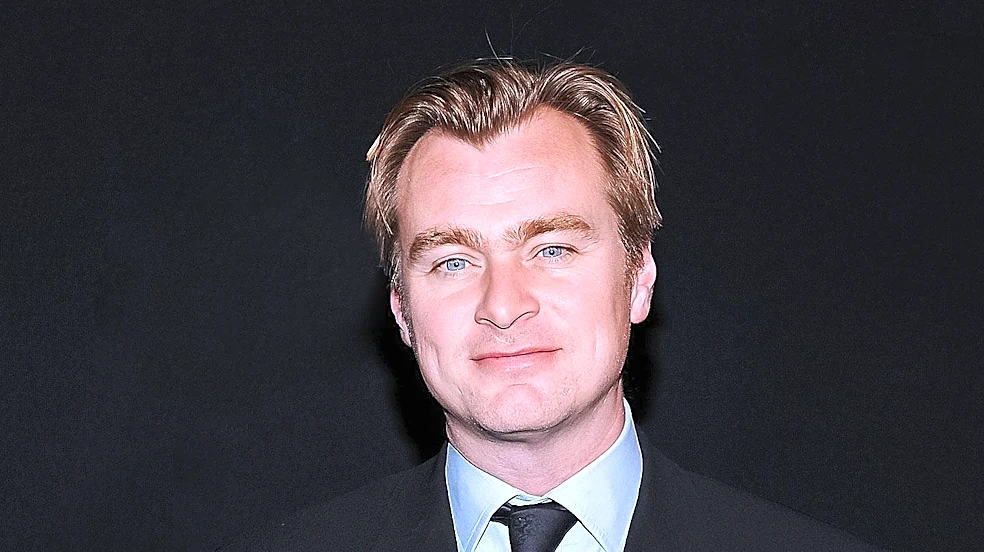
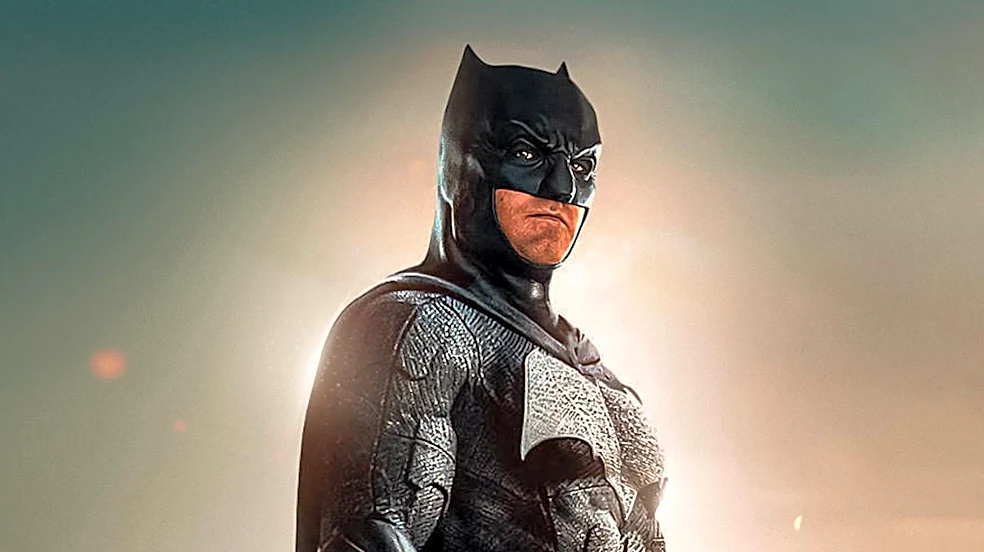
Christopher Nolan's 2005 film 'Batman Begins' adopted a realistic approach to its characters and gadgets, a departure from previous live-action Batman adaptations. This realism extended to the villains, with significant changes made to their comic book
origins. For instance, Ra's al Ghul, typically depicted as a 700-year-old warlord sustained by a Lazarus Pit, was re-envisioned as a character who uses decoys to maintain an illusion of immortality. Similarly, Dr. Jonathan Crane, known as the Scarecrow, was portrayed with a more grounded aesthetic. While he still utilized a 'fear toxin' and wore a scarecrow mask, his costume was limited to the mask paired with a business suit. Co-writer David S. Goyer revealed that Nolan initially questioned the necessity of the mask, only agreeing to its inclusion after Goyer's insistence and a practical justification for its use was established. The mask itself underwent extensive development, with 20 mock-ups before the final design, which incorporated elements like a burlap sack appearance and a severed noose.
Why It's Important?
This emphasis on realism in 'Batman Begins' was crucial for establishing a new tone for superhero films, influencing subsequent entries in the genre. By grounding fantastical elements in a more plausible reality, Nolan made the characters and their conflicts more relatable and intense for audiences. The decision to provide practical reasons for elements like Scarecrow's mask, such as it functioning as a gas mask while also serving to terrify victims, enhanced the film's gritty and psychological depth. This approach helped to elevate superhero narratives beyond simple comic book adaptations, demonstrating that they could explore complex themes and character motivations within a more believable framework. The success of this realistic portrayal set a precedent for how future superhero movies would balance fidelity to source material with cinematic realism, impacting audience expectations and critical reception for years to come.
What's Next?
The realistic foundation laid by 'Batman Begins' continued to influence the subsequent films in Christopher Nolan's 'Dark Knight' trilogy, 'The Dark Knight' and 'The Dark Knight Rises.' This established a consistent tone and aesthetic for the series, which became a benchmark for superhero cinema. While Scarecrow made brief appearances in the sequels, Nolan's commitment to realism meant that the character never fully embraced his more fantastical comic book costume. This approach suggests that future adaptations of comic book characters, particularly those aiming for a serious or grounded tone, will likely continue to grapple with how to balance source material fidelity with practical and realistic portrayals. The legacy of Nolan's realism continues to shape discussions around superhero film development, with filmmakers often referencing his trilogy when defining their own creative choices.
Beyond the Headlines
The creative tension between comic book fantasy and cinematic realism, as exemplified by Nolan's approach to Scarecrow, highlights a broader challenge in adapting popular media. Filmmakers often navigate the expectations of long-time fans who desire faithful representations, while also aiming to attract new audiences with a more grounded and accessible narrative. Nolan's insistence on practical justifications for even the most iconic elements, like a villain's mask, reflects a philosophical stance on storytelling: that even in fantastical worlds, internal logic and believability enhance the audience's immersion. This approach can sometimes lead to debates among fans about whether certain changes dilute the essence of the original character, but it also pushes the boundaries of how these stories can be told on screen, fostering innovation in visual storytelling and character development within the superhero genre.