






What's Happening?
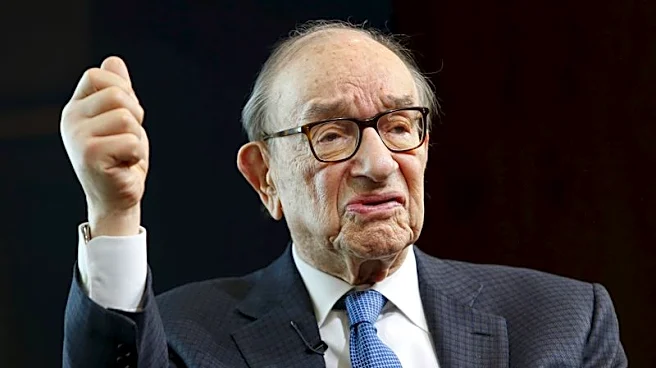
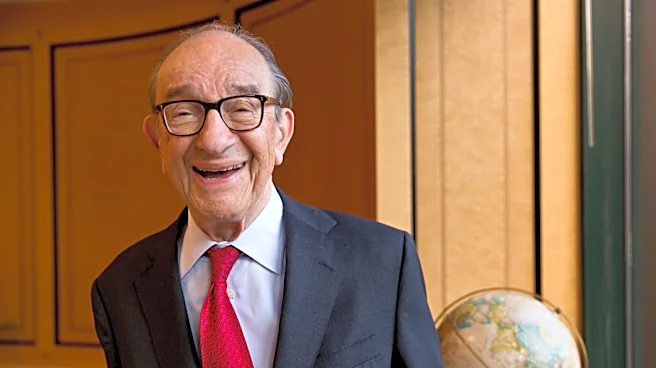
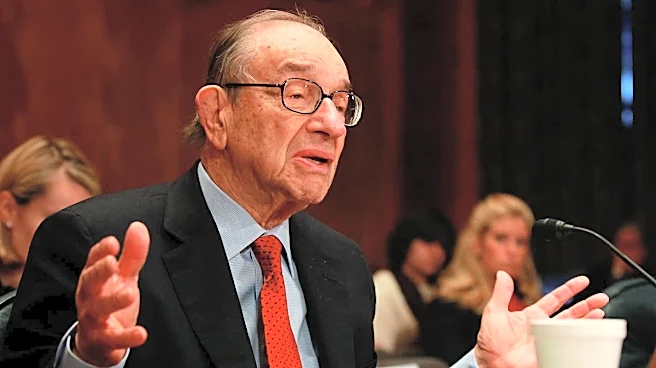
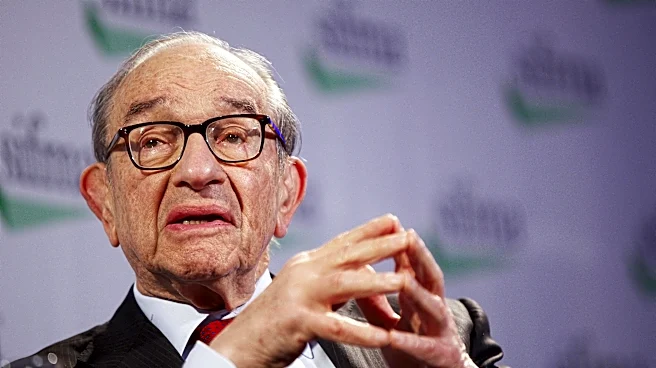
Alan Greenspan, the former Federal Reserve chairman who played a pivotal role in shaping U.S. monetary policy, has died at the age of 100. Greenspan served as Fed chairman from 1987 to 2006, overseeing a period of significant economic growth. His tenure
was marked by low interest rates and deregulation, which contributed to a booming economy but also to the housing bubble that led to the 2007 subprime mortgage crisis.
Why It's Important?
Greenspan's legacy is significant in the context of U.S. economic history. His policies during his time as Fed chairman had a lasting impact on the economy, influencing both growth and the eventual financial crisis. His death marks the end of an era for economic policymakers and serves as a reminder of the complexities involved in balancing economic growth with financial stability. Greenspan's contributions to economic theory and policy continue to be studied and debated by economists and policymakers.