




What's Happening?
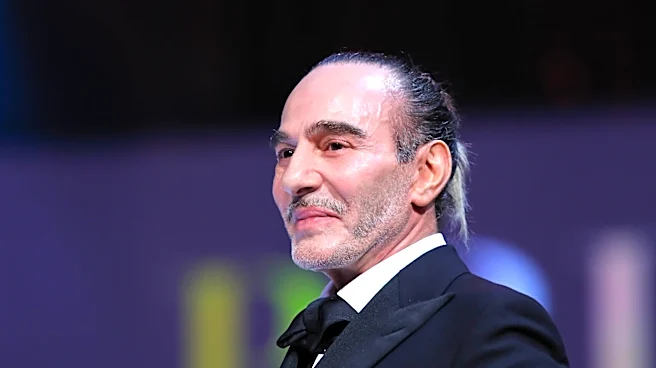
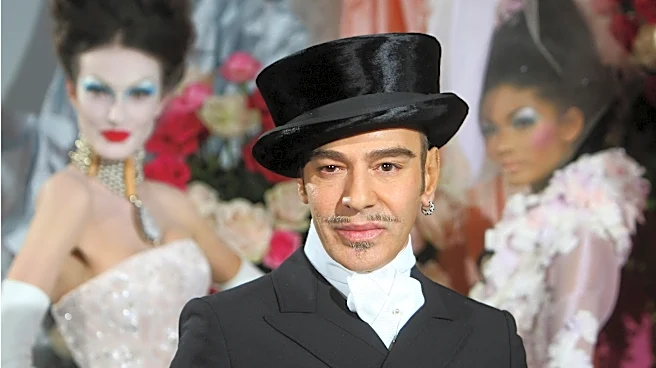
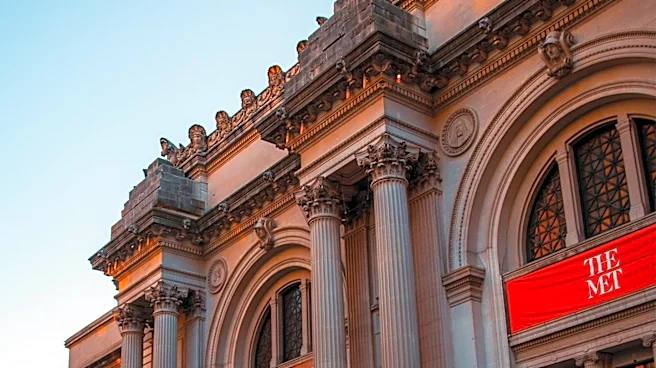
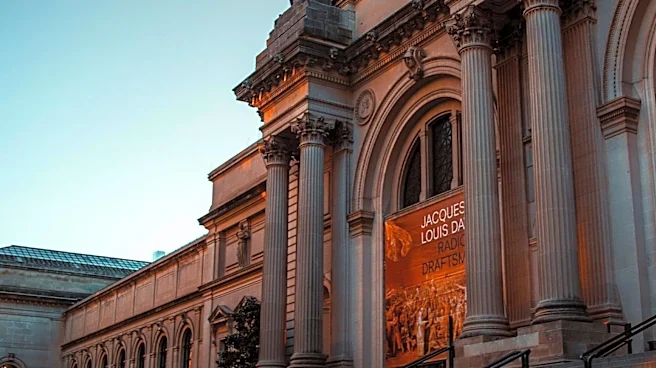
The Metropolitan Museum of Art has canceled its planned 2027 Costume Institute exhibition, 'John Galliano: Horizons,' following the designer's statement that it was 'best for the exhibition not to take place at this time.' The exhibition was intended
to be a retrospective of the British designer's four-decade career. However, both Galliano and the museum faced significant opposition regarding whether the Met should dedicate a retrospective to a designer whose legacy is closely linked to past racist and antisemitic remarks. In 2011, Galliano was dismissed from Dior after being filmed making offensive comments and was later convicted by a French court for 'public insults' based on origin, religion, race, or ethnicity. While Galliano has since apologized and discussed his struggles with addiction, the controversy surrounding his past actions led to the cancellation.
Why It's Important?
This cancellation highlights the ongoing debate within cultural institutions about how to address the legacies of influential figures whose personal actions or statements are deemed problematic. It underscores the tension between celebrating artistic contributions and acknowledging the harm caused by an individual's behavior. For the fashion industry and museums, it raises questions about accountability, rehabilitation, and the criteria for institutional recognition. The decision reflects a growing public and institutional sensitivity to issues of racism and antisemitism, indicating that past controversies can significantly impact current and future professional endeavors, even for highly acclaimed artists. The involvement of the Met Gala, a high-profile event, further amplifies the scrutiny and pressure on such decisions.
What's Next?
The cancellation of the exhibition suggests that cultural institutions will continue to grapple with how to present the work of artists with controversial pasts. This event may lead to more rigorous vetting processes for future exhibitions and a greater emphasis on the ethical considerations surrounding artistic retrospectives. It also prompts a broader discussion within the fashion and art worlds about the balance between artistic freedom, historical influence, and social responsibility. While Galliano continues to work in fashion, this incident indicates that public perception and the willingness of major institutions to endorse his work remain significantly impacted by his past actions. Future engagements for designers with similar histories may face increased scrutiny.
Beyond the Headlines
The cancellation of the John Galliano exhibition delves into deeper ethical and cultural questions about the nature of forgiveness, rehabilitation, and the role of public institutions in shaping historical narratives. It forces a re-evaluation of whether an artist's work can be separated from their personal conduct, especially when that conduct involves hate speech. The curator, Andrew Bolton, acknowledged the museum's responsibility to examine 'difficult histories with rigour, candour and care,' suggesting a potential shift towards more critically framed retrospectives that confront challenging aspects of an artist's life. This incident also reflects a broader societal trend of re-examining historical figures and their contributions through a contemporary lens of social justice and accountability, impacting how cultural legacies are preserved and presented.