


What's Happening?
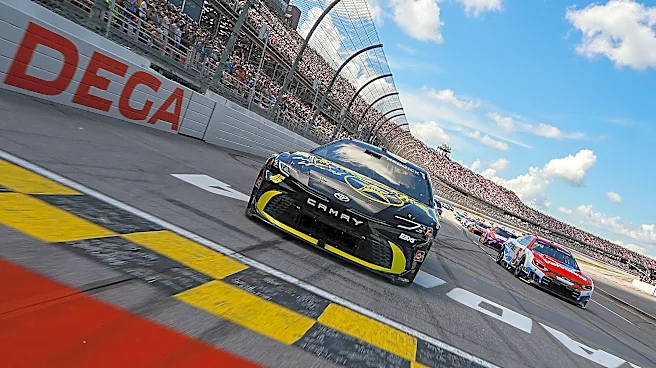
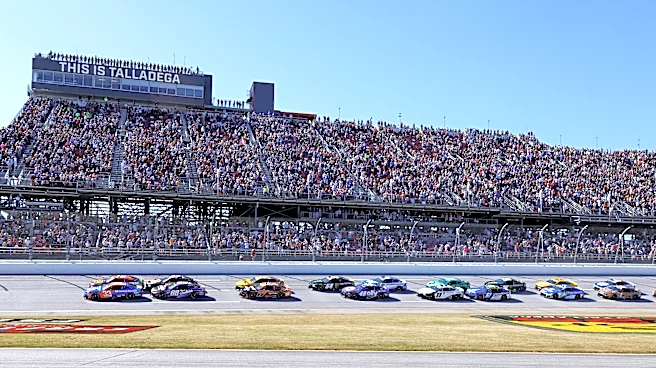
NASCAR has announced that no penalties will be issued from the recent Talladega Superspeedway race weekend, encompassing the Cup, O'Reilly Auto Parts, and Truck Series. This decision comes despite significant incidents and crashes across all three races.
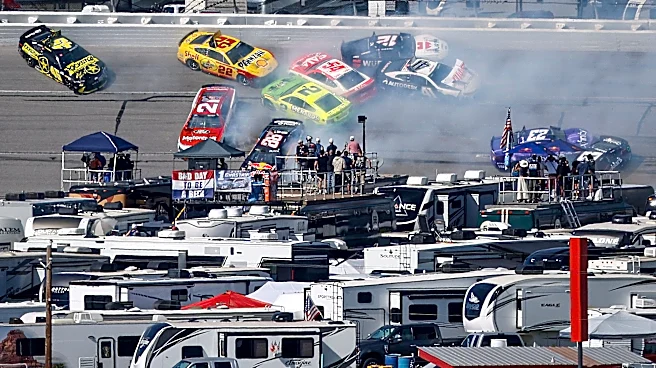
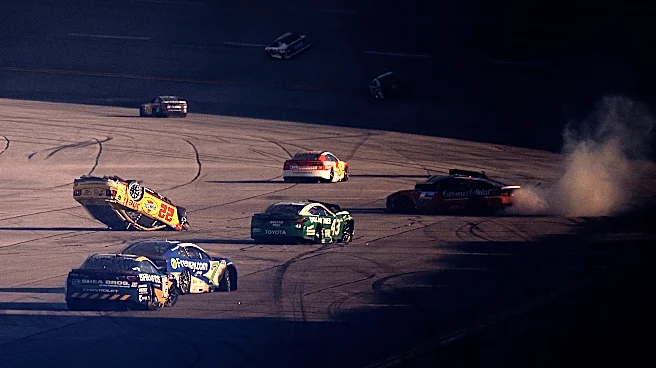
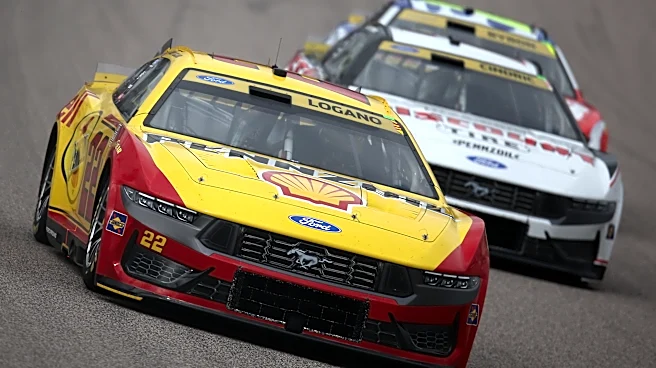
Kyle Larson, who won the YellaWood 500, had his No. 5 Hendrick Motorsports Chevrolet pass post-race inspection without issues. However, Riley Herbst's No. 35 car is still slated for examination at NASCAR's R&D Center. The weekend saw several notable events, including a Stage 2 wreck involving eight Chase drivers and a late crash where Joey Logano's car flipped. All drivers involved in these incidents were released from the infield care center. NASCAR officials treated these events as racing incidents, aligning with a common practice of zero-penalty weekends, especially at superspeedways. This approach was also seen after the Charlotte race on October 11, where officials declined to penalize Ricky Stenhouse Jr. and Michael McDowell for post-race contact, and at Bristol Motor Speedway in September following an altercation between Ryan Blaney and Carson Hocevar.
Why It's Important?
This decision by NASCAR to issue no penalties after a weekend marked by multiple crashes at Talladega Superspeedway highlights the organization's stance on what constitutes a 'racing incident' versus an infraction warranting disciplinary action. It underscores a philosophy, as articulated by NASCAR CEO Steve O'Donnell, to 'encourage passion' in the sport, even when it leads to aggressive driving and contact. This approach can influence driver behavior, potentially encouraging more aggressive racing knowing that certain on-track incidents may not result in penalties. For teams and drivers, the absence of penalties means no loss of points or fines, which can be crucial for championship standings and financial stability. However, it also raises questions about safety and the clarity of rules, particularly concerning incidents like Kyle Larson's near-violation of the double-yellow line, which drew criticism from figures like Denny Hamlin and Dale Earnhardt Jr. regarding rule ambiguity. The consistency of NASCAR's enforcement, or lack thereof, directly impacts the competitive landscape and the perception of fairness within the sport.
What's Next?
Following the Talladega race weekend, the Cup Series is scheduled to race next at Martinsville Speedway on Sunday, November 1. This upcoming race will be a crucial test of how drivers interpret NASCAR's recent non-penalty decision and whether it influences their on-track conduct. The examination of Riley Herbst's No. 35 car at the R&D Center is still pending, and any findings from that inspection could potentially lead to future adjustments or discussions, though no penalties were issued for the Talladega event itself. The ongoing debate regarding the ambiguity of rules, such as the double-yellow line rule, may prompt NASCAR to consider clearer enforcement guidelines or rule modifications in the future to avoid similar controversies. Stakeholders, including drivers, teams, and fans, will be closely watching how NASCAR continues to balance competitive intensity with safety and fair play in the remaining races of the season.
Beyond the Headlines
The decision to forgo penalties at Talladega, despite numerous crashes, delves into the deeper cultural aspects of NASCAR and its appeal. The sport has historically embraced a certain level of aggression and 'passion' on the track, which is often seen as integral to its entertainment value. This approach, however, walks a fine line between thrilling competition and ensuring driver safety, especially with the increasing speeds and intensity of modern racing. The ambiguity surrounding rules, as highlighted by the yellow line incident, can lead to frustration among competitors and fans, potentially eroding trust in the officiating process. Furthermore, the emphasis on 'racing incidents' over punitive measures might reflect a strategic choice by NASCAR to maintain high-octane action, which is crucial for viewership and sponsorship. This balance between tradition, entertainment, and safety will continue to be a central theme for NASCAR as it navigates the evolving landscape of professional sports and seeks to attract new audiences while retaining its loyal fanbase.