





What's Happening?
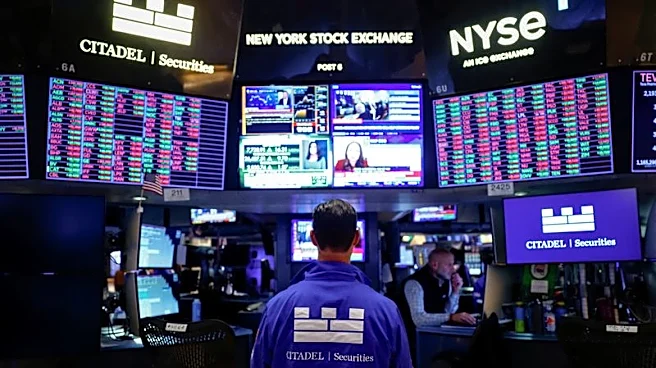
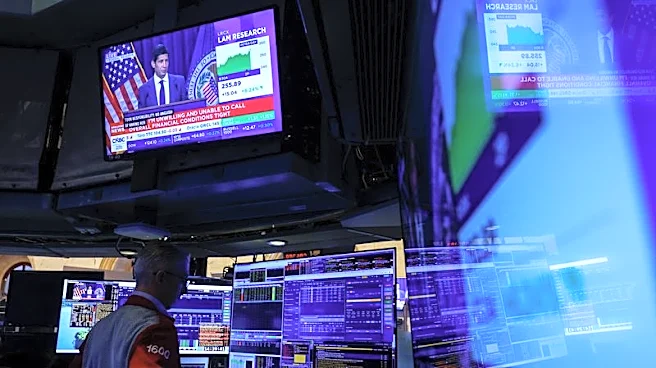
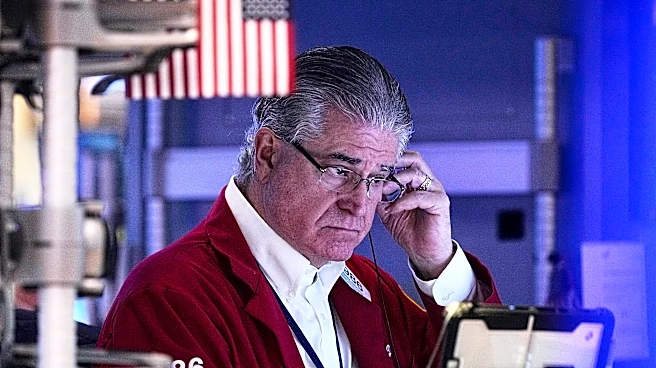
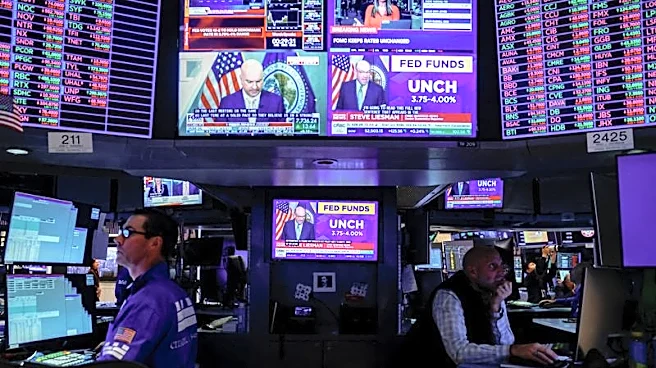
Wall Street experienced a decline this week, with major indexes falling despite the Federal Reserve holding interest rates steady and a surprisingly strong GDP report. The tech-heavy Nasdaq saw one of its worst trading days in months, losing 2.8% for
the day and 518 points for the week. The Dow Jones Industrial Average and S&P 500 also closed lower. This downturn was primarily driven by less-than-stellar earnings from Amazon and other key technology firms, leading to renewed concerns about an 'AI bubble.' Analysts like Adam Turnquist of LPL Financial noted increased selling pressure on mega-cap stocks due to elevated AI-related spending and rising financing costs, which raise questions about the path to profitability. Earlier in the week, mixed economic data included a 3.4% increase in gross domestic product and a 0.5% increase in a key personal consumption expenditures inflation report, both attributed by analysts to the artificial intelligence technology and infrastructure boom.
Why It's Important?
The current market downturn highlights growing investor apprehension regarding the sustainability and profitability of the artificial intelligence boom. While AI has been a significant driver of economic growth, as noted by Oxford Economics economist Adam Slater, concerns are emerging about whether AI infrastructure spending has gone too far. This situation could impact U.S. industries heavily invested in technology and AI, potentially leading to a re-evaluation of investment strategies and a more cautious approach to tech stock valuations. The Federal Reserve's decision to keep interest rates steady, coupled with hints of future rate hikes, suggests a hawkish central bank stance, which could further influence borrowing costs and investment decisions across various sectors. The mixed economic signals, including strong GDP growth alongside inflation concerns, indicate a complex economic environment where the benefits of technological advancements are weighed against potential market overheating and inflationary pressures.
What's Next?
Looking ahead, the market will likely continue to monitor earnings reports from major technology firms for further indications of the AI sector's health and profitability. The Federal Open Market Committee's future decisions on interest rates, particularly the potential for hikes in December and March, will be crucial for investors. A hawkish central bank could lead to higher borrowing costs, impacting corporate spending and consumer behavior. Analysts like Thomas Ryan of Capital Economics anticipate that core inflation pressures will remain strong, fueled by the AI investment boom, which could sustain economic activity but also keep the labor market tight. The Conference Board's consumer confidence index, despite a recent jump due to easing gasoline prices, remains on a long-term downward trend, suggesting consumers plan to spend less, which could temper economic growth in the coming months.
Beyond the Headlines
The current market dynamics underscore a broader debate about the long-term economic implications of rapid technological advancements, particularly in artificial intelligence. The comparison to the dot-com bubble of the late 1990s, where speculative investments in internet companies led to a market crash, is an unspoken concern. While AI promises transformative benefits, the market's reaction suggests a need for careful assessment of investment sustainability and realistic profitability timelines. The reliance of the U.S. economy on this tech boom for growth, even more so than during the dot-com era, raises questions about economic diversification and resilience. Furthermore, the AI buildout's impact on electricity prices and borrowing costs points to potential ripple effects across various sectors, affecting everything from manufacturing to consumer goods, and potentially exacerbating inflationary pressures. This situation highlights the delicate balance between fostering innovation and managing economic stability.