







What's Happening?
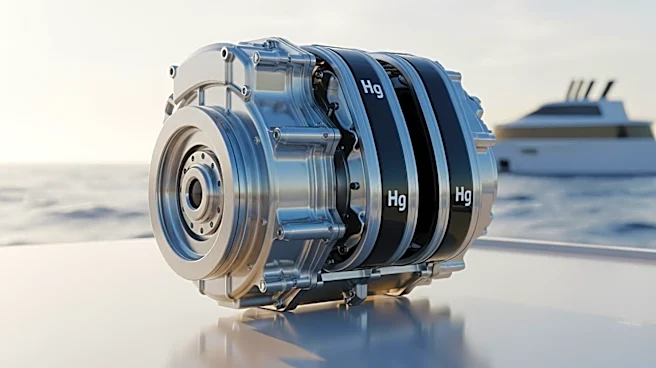
BeHydro has received the first Type Approval Certificate from Lloyd’s Register for its 100% hydrogen-fueled, spark-ignited marine engine. This certification confirms that the engine meets the safety, performance, and reliability standards required for marine applications.
Developed and tested at ABC Engines’ facility in Ghent, the engine operates entirely on hydrogen, eliminating the need for pilot fuels and reducing onboard carbon emissions. This development positions the engine as a viable option for zero-carbon propulsion in the maritime industry. Previously, in 2023, BeHydro received Type Approval for its dual-fuel hydrogen engine, marking a significant step in the evolution of hydrogen-powered marine technology.
Why It's Important?
The approval of BeHydro's hydrogen marine engine represents a significant advancement in the maritime industry's shift towards sustainable energy solutions. By eliminating carbon emissions at the source, this technology supports global efforts to reduce the environmental impact of shipping, a major contributor to greenhouse gas emissions. The engine's design simplifies system requirements, potentially lowering costs and increasing adoption rates among operators seeking eco-friendly alternatives. This development could accelerate the transition to zero-carbon shipping, influencing regulatory policies and encouraging further investment in hydrogen technology. The maritime sector stands to benefit from reduced fuel costs and compliance with stricter environmental regulations.
What's Next?
Following this approval, BeHydro is likely to focus on commercializing its hydrogen engine technology, targeting shipping companies committed to reducing their carbon footprint. The maritime industry may see increased interest in hydrogen propulsion systems, prompting further research and development in this area. Regulatory bodies might also consider revising standards to accommodate and encourage the use of hydrogen-powered engines. As the technology gains traction, stakeholders, including shipbuilders and operators, will need to adapt to new infrastructure requirements for hydrogen fuel storage and distribution.