






What's Happening?
The U.S. labor market is showing signs of strain as the latest Non-Farm Payroll (NFP) report reveals a disappointing addition of 57,000 net new jobs in June, falling short of the 115,000 jobs forecasted by Dow Jones. This follows a downward revision of May's
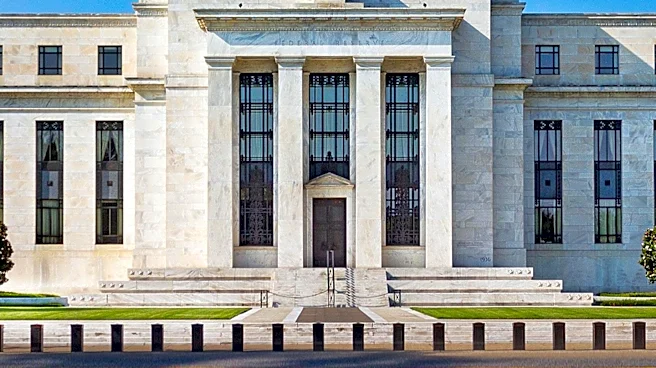
job growth to 129,000. The unemployment rate has decreased to 4.2%, but this is attributed to a decline in the labor force participation rate, which has dropped to 61.5%, the lowest since March 2021. The household employment survey indicates a more severe situation, with a reported loss of 507,000 jobs, contributing to a total of 1.7 million job losses in 2026. Amid these developments, the Federal Reserve is expected to maintain its current interest rate policy, with no hikes anticipated at the upcoming late July meeting. The Atlanta Fed's GDP model has revised its Q2 growth estimate from over 4% to just 1.3%, reflecting the broader economic slowdown.
Why It's Important?
The current economic conditions highlight a challenging environment for U.S. policymakers and investors. The labor market's weakness, coupled with a significant drop in GDP growth projections, suggests a slowing economy that could impact various sectors. The Federal Reserve's decision to hold off on rate hikes indicates a cautious approach to monetary policy, prioritizing economic stability over inflation control. This scenario affects investors' strategies, as traditional stock market gains may be harder to achieve, prompting a shift towards dividend-paying and low-volatility stocks. Additionally, the geopolitical tensions with Iran, including recent attacks on commercial vessels, add to the economic uncertainty, influencing oil prices and market volatility.
What's Next?
Looking ahead, the Federal Reserve's stance on interest rates will be closely monitored, especially if economic indicators continue to show weakness. Investors may need to adjust their portfolios to mitigate risks associated with a potential economic downturn. The ongoing geopolitical tensions with Iran could further impact global oil markets and economic stability, necessitating strategic responses from both government and industry leaders. The labor market's performance will remain a critical factor in shaping future economic policies and investor confidence.