




What's Happening?
The FIA International Court of Appeal (ICA) has issued a statement in response to allegations of bias made by Alpine executive advisor Flavio Briatore. Briatore claimed that Judge Filippo Marchino, a member of the panel in a recent ICA hearing, was biased
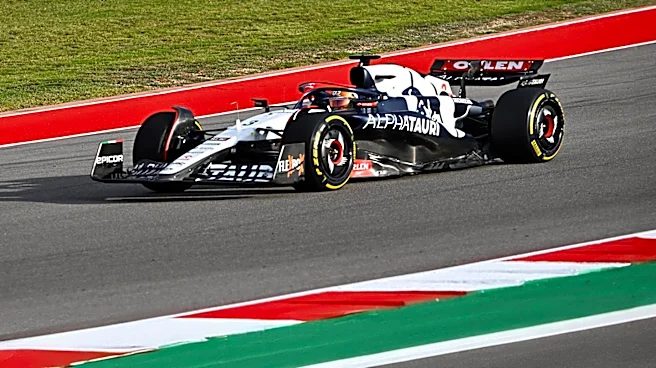
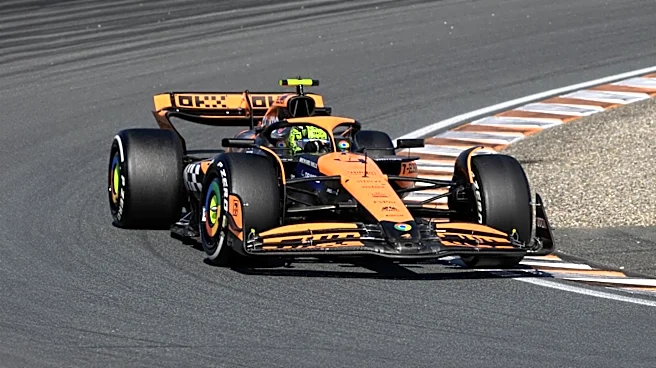
against Alpine. The hearing concerned McLaren and Red Bull's protest against the stewards' decision to rescind Pierre Gasly's pit-lane speeding penalties, which had initially restored him to third place. The ICA ultimately reinstated Gasly's penalties, dropping him to seventh. Briatore, during a press conference, accused Marchino of acting like a 'prosecutor' and being 'very nasty,' further alleging that Marchino had links to McLaren through his One Drop Foundation's presence at a 2018 event where McLaren Special Operations (MSO) provided cars. MSO is McLaren's road car division and is not directly linked to the F1 team. McLaren's Andrea Stella called the insinuation 'insulting.' The ICA, an independent body, stated its confidence in the proceedings and the integrity of its judges, reaffirming its commitment to independence and impartiality.
Why It's Important?
This incident highlights significant concerns regarding the integrity and perceived impartiality of judicial processes within international sports organizations. Allegations of bias, especially from prominent figures like Flavio Briatore, can undermine public trust in the fairness of competition and the governance of sports. For U.S. audiences, while directly related to international motorsport, it reflects broader issues of transparency and accountability in high-stakes competitive environments, which resonate across various sectors including U.S. professional sports and regulatory bodies. The FIA's response, emphasizing the independence and integrity of its courts, is crucial for maintaining its credibility and the legitimacy of its decisions. A failure to effectively address such claims could lead to increased scrutiny and potential challenges to the sport's regulatory framework, impacting its global appeal and commercial viability, including its growing presence in the U.S. market.
What's Next?
The FIA Courts have affirmed their commitment to the independence and impartiality of their judges and the integrity of the judicial process. While Judge Marchino has not yet publicly responded to Briatore's allegations, RacingNews365 has offered him a right of response. The situation may lead to further discussions or investigations into the conduct of judges and the transparency of judicial appointments within the FIA. Stakeholders, including teams, drivers, and fans, will likely monitor how the FIA reinforces its judicial integrity and addresses any lingering doubts. This event could also prompt a review of the protocols for judge selection and conflict of interest disclosures to prevent similar controversies in the future, potentially influencing how other international sports federations handle such matters.
Beyond the Headlines
Beyond the immediate controversy, this incident touches upon the delicate balance between maintaining judicial independence and addressing public perceptions of fairness in sports. The allegations, even if unsubstantiated, can erode confidence in the sport's governance. It also raises questions about the role of media and public statements by team officials in influencing judicial processes. The distinction between McLaren's F1 team and its road car division (MSO) is a subtle but critical point, highlighting how perceived connections, even indirect ones, can fuel accusations of bias. This situation underscores the need for robust ethical guidelines and clear communication from sports governing bodies to safeguard their reputation and ensure that decisions are not only fair but also seen to be fair by all participants and the wider public.