





What's Happening?
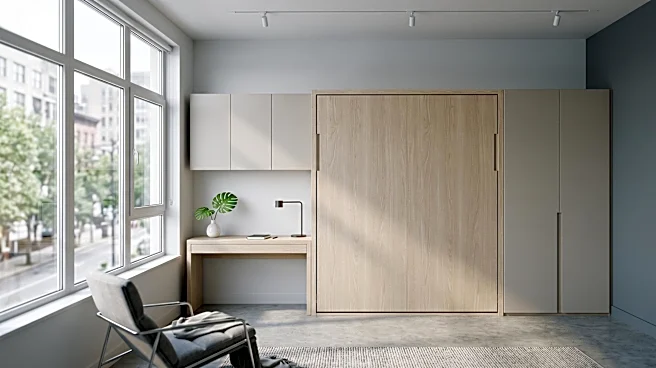
Murphy beds are increasingly being integrated into interior design solutions across the U.S. to maximize space in various living situations. Designers are utilizing these wall beds to create high-function and high-design environments, addressing the growing
need for 'right-sizing' in homes. Melinda Orlie-Katsiris, founder of Orlie Katsiris Staging & Interiors in New York City, notes that she has installed Murphy beds for a diverse clientele, including young professionals in studio apartments, single parents in one-bedroom units, and families in larger apartments. The versatility of Murphy beds, available in various styles, orientations, and finishes from manufacturers like Lori Wall Beds, makes them suitable for any aesthetic. This trend is highlighted by projects such as Michael K Chen's 'Unfolding Apartment' in Manhattan, a 400-square-foot studio featuring a custom cabinetry piece with a fold-out bed, desk, table, and kitchen storage. Similarly, designer Kerrie Kelly incorporated a Murphy bed with custom white cabinetry into a modern bedroom/office in Sacramento, California, demonstrating how these beds can transform spaces into functional and visually appealing rooms.
Why It's Important?
The rising popularity of Murphy beds signifies a significant shift in how Americans approach living spaces, particularly in urban areas where square footage is at a premium. This trend impacts the furniture industry, driving innovation in multi-functional and space-saving designs. For consumers, it offers practical solutions to common challenges like accommodating guests, creating home offices, or simply decluttering smaller residences without sacrificing style. The ability to reclaim floor space by stowing away a bed allows for more flexible and adaptable living environments, which is crucial for renters and homeowners alike. This movement also reflects a broader cultural embrace of efficiency and minimalism, where thoughtful design can enhance quality of life in compact settings. The integration of Murphy beds into high-end design projects underscores their evolution from purely utilitarian items to sophisticated elements of modern interior architecture, influencing purchasing decisions and design preferences across different income brackets.
What's Next?
The demand for space-saving furniture, including Murphy beds, is expected to continue growing as urbanization progresses and housing costs remain high in many U.S. cities. Manufacturers will likely expand their offerings to include more customizable options, integrated smart home features, and sustainable materials to meet evolving consumer preferences. Interior designers will increasingly incorporate these solutions into their projects, further normalizing their use in both residential and commercial spaces, such as co-living developments and boutique hotels. We may also see advancements in installation techniques and design integration, making Murphy beds even more seamless and aesthetically pleasing. The market could also witness a rise in DIY-friendly Murphy bed kits, empowering more homeowners to implement these space-saving solutions themselves. This sustained interest will likely lead to continued innovation in the broader category of multi-functional furniture, impacting how future homes are designed and utilized.
Beyond the Headlines
The widespread adoption of Murphy beds points to deeper societal implications regarding housing affordability and the changing nature of home life in the U.S. As living spaces shrink, the psychological impact of efficient design becomes critical, fostering a sense of order and spaciousness even in compact environments. This trend also challenges traditional notions of what constitutes a 'complete' home, emphasizing adaptability and multi-purpose functionality over sheer size. Ethically, it raises questions about sustainable living and resource utilization, as smaller, more efficient homes often have a lower environmental footprint. Culturally, it reflects a growing appreciation for clever engineering and minimalist aesthetics, moving away from consumerism that prioritizes large, single-function items. The integration of Murphy beds into diverse settings, from luxury apartments to micro-flats, highlights a democratic design principle where innovative solutions can enhance living conditions for a wide range of individuals, promoting a more flexible and resourceful approach to domestic architecture.