
What's Happening?
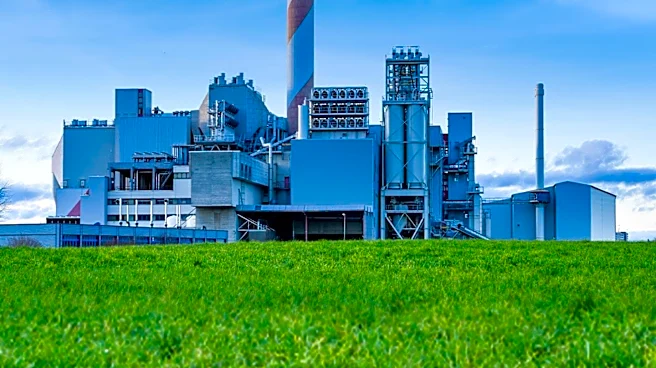
MATR Foods, a startup specializing in alternative meat products made through solid-state fermentation, has inaugurated its first commercial-scale factory in Denmark. This new facility transitions the company
from small-scale production in Copenhagen to an industrial operation in Ansager, West Jutland. The plant is designed to produce 4,000 tons of patties, blocks, and mince annually, targeting foodservice and retail markets in Denmark, Germany, and Switzerland. The company's process involves inoculating boiled and chopped ingredients like peas, lupins, beets, potatoes, and oats with fungi spores. This fermentation enhances protein levels, binds ingredients, and creates savory, umami flavors. The harvested biomass is then marinated in beet juice and seasonings, resulting in products that are low in saturated fat and high in fiber, without the need for additives for texture or flavor. The entire production process takes less than a week.
Why It's Important?
This development is significant for the alternative protein market, particularly in the U.S., as it demonstrates a scalable and potentially more cost-effective method for producing plant-based meat alternatives. The use of solid-state fermentation, which MATR Foods claims is cheaper than other fermentation methods and requires less regulatory approval, could accelerate the availability and affordability of these products. If successful, this approach could influence U.S. food manufacturers to explore similar technologies, potentially diversifying the market beyond existing plant-based options. The focus on natural ingredients, enhanced nutritional profiles (reduced carbohydrates, elevated protein and fiber), and the absence of additives addresses growing consumer demand for healthier and more sustainable food choices. This could lead to increased competition and innovation within the U.S. alternative meat sector, benefiting consumers with a wider array of products.
What's Next?
MATR Foods plans to gradually ramp up production, not expecting to reach full capacity until 2028. The company is actively pursuing additional distribution deals to expand its presence in Germany and other European markets. While the immediate focus is on Europe, the success of this industrial-scale operation could pave the way for future expansion into the U.S. market, either directly or through licensing agreements with American food companies. The company's strategy of building a strong consumer brand under 'MATR' and positioning its products as 'Fermented Greens' rather than direct meat mimics suggests a broader ambition to create a new category of food. Continued research into the bioavailability of proteins and minerals in their fermented products will further solidify their nutritional claims and market appeal.
Beyond the Headlines
The opening of MATR Foods' factory highlights a broader trend in the food industry towards leveraging biotechnology, specifically fermentation, to create sustainable and nutritious food sources. This approach moves beyond simple plant-based alternatives by actively transforming ingredients at a molecular level, offering unique textures and flavors without extensive processing or artificial additives. The emphasis on a 'non-novel' fungi strain and a less complex regulatory pathway could set a precedent for other food tech companies seeking to commercialize innovative protein sources. This shift could also influence agricultural practices, potentially increasing demand for crops suitable for fermentation. Furthermore, the company's deliberate avoidance of the term 'meat' in its branding reflects a strategic effort to appeal to a wider consumer base, including those who may not be seeking direct meat replacements but are interested in novel, healthy, and sustainable food options.