





What's Happening?
Delta Air Lines has announced a new fare category called 'Basic Business' for its business and first-class passengers. This new fare option excludes traditional perks such as free seat selection and airport lounge access. The move follows a similar strategy
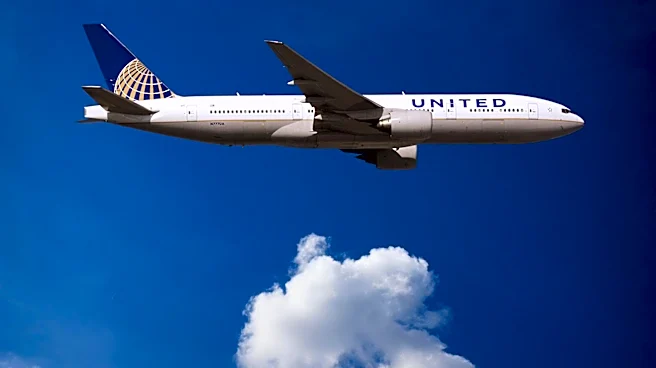
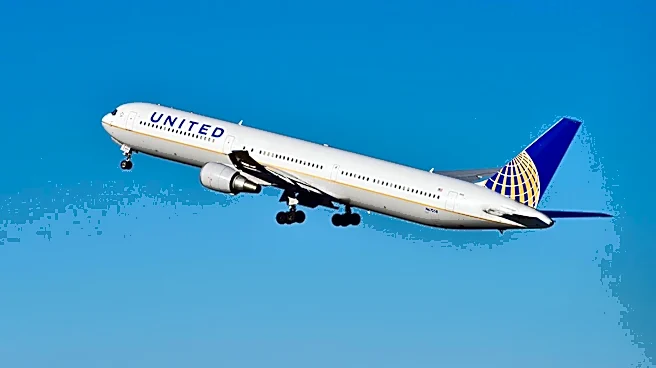
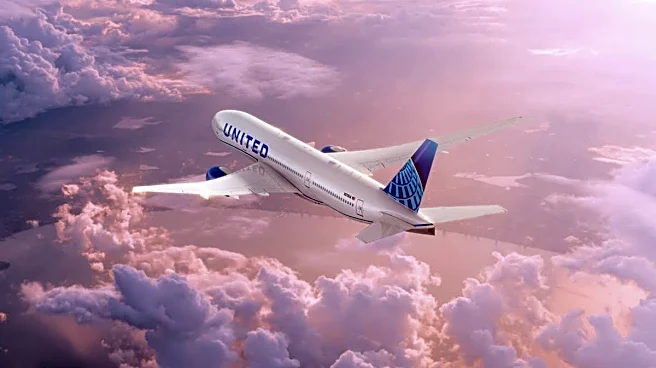
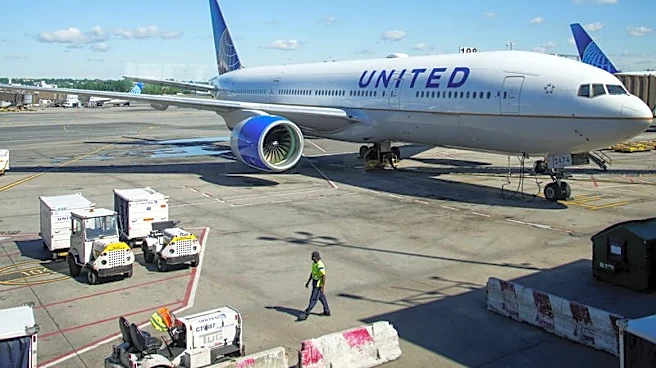
by United Airlines, which earlier this year adjusted its Polaris long-haul business class and other premium cabins to maximize revenue from high-spending customers. The 'Basic Business' fare will be available in Delta's long-haul Delta One cabin and a similar product for first class on shorter routes and premium economy. Passengers purchasing these tickets will have seats assigned at check-in, earn fewer miles compared to more expensive options, and face fees for changes or cancellations. Additionally, they will not have the option for same-day standby or confirmed flight changes.
Why It's Important?
The introduction of 'Basic Business' fares by Delta Air Lines reflects a broader trend in the airline industry to segment premium offerings and extract more value from high-spending travelers. This strategy is significant as it highlights the airlines' focus on catering to the resilient demand for premium travel, which has been a key revenue driver post-pandemic. By offering a tiered approach to business and first-class travel, airlines like Delta and United aim to capture a wider range of customers, from those seeking luxury to those prioritizing cost savings. This could potentially increase competition among airlines to offer differentiated services and pricing structures, impacting how business travelers and frequent flyers choose their carriers.
What's Next?
As Delta and other airlines continue to refine their premium offerings, it is likely that more carriers will adopt similar strategies to segment their high-end products. This could lead to further innovations in service offerings and pricing models, as airlines strive to balance customer satisfaction with profitability. The industry may also see increased marketing efforts to communicate the value of these new fare options to potential customers. Additionally, there could be reactions from frequent flyers and business travelers, who may need to adjust their travel preferences and loyalty program strategies in response to these changes.